Exploring the World of James Herriot


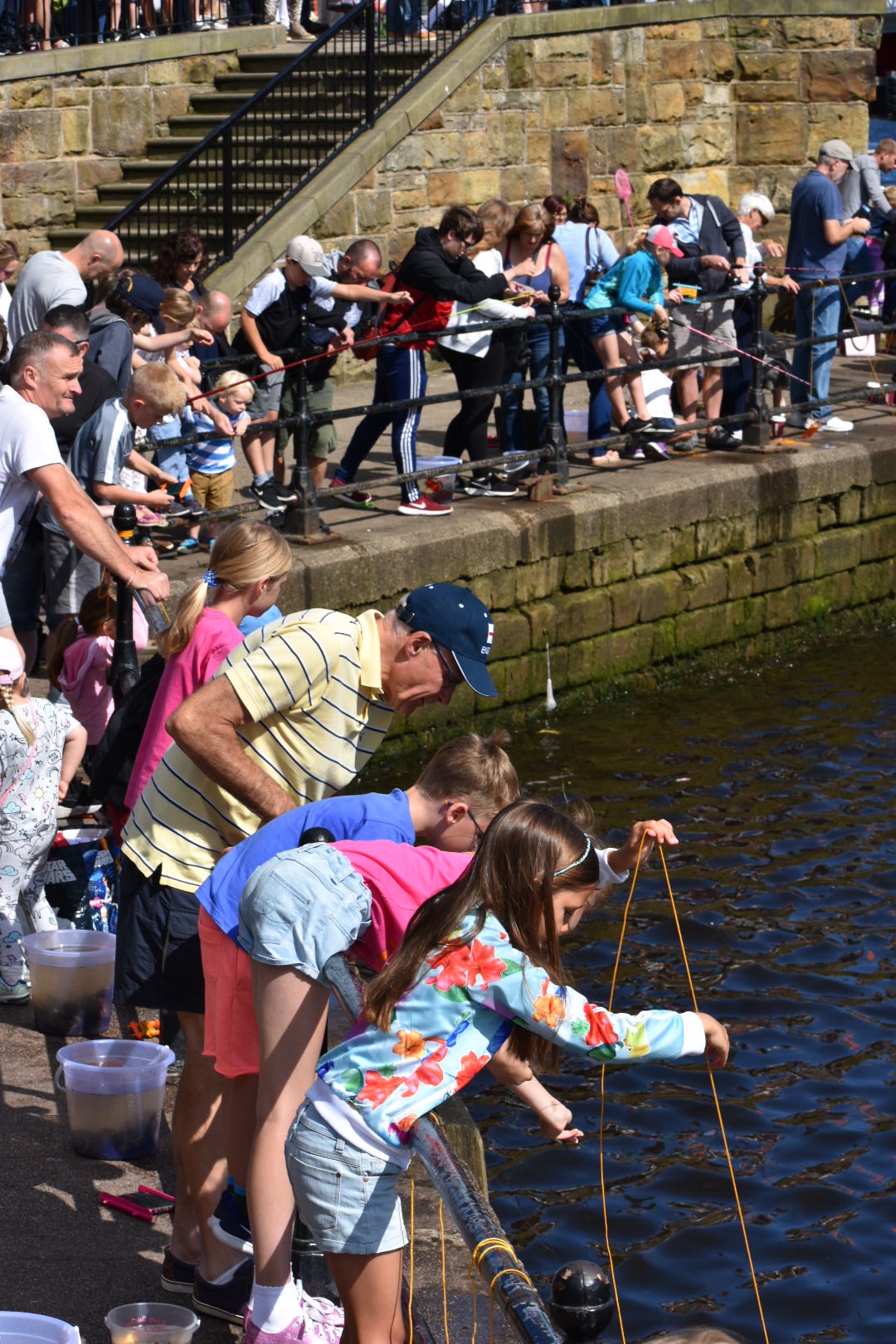
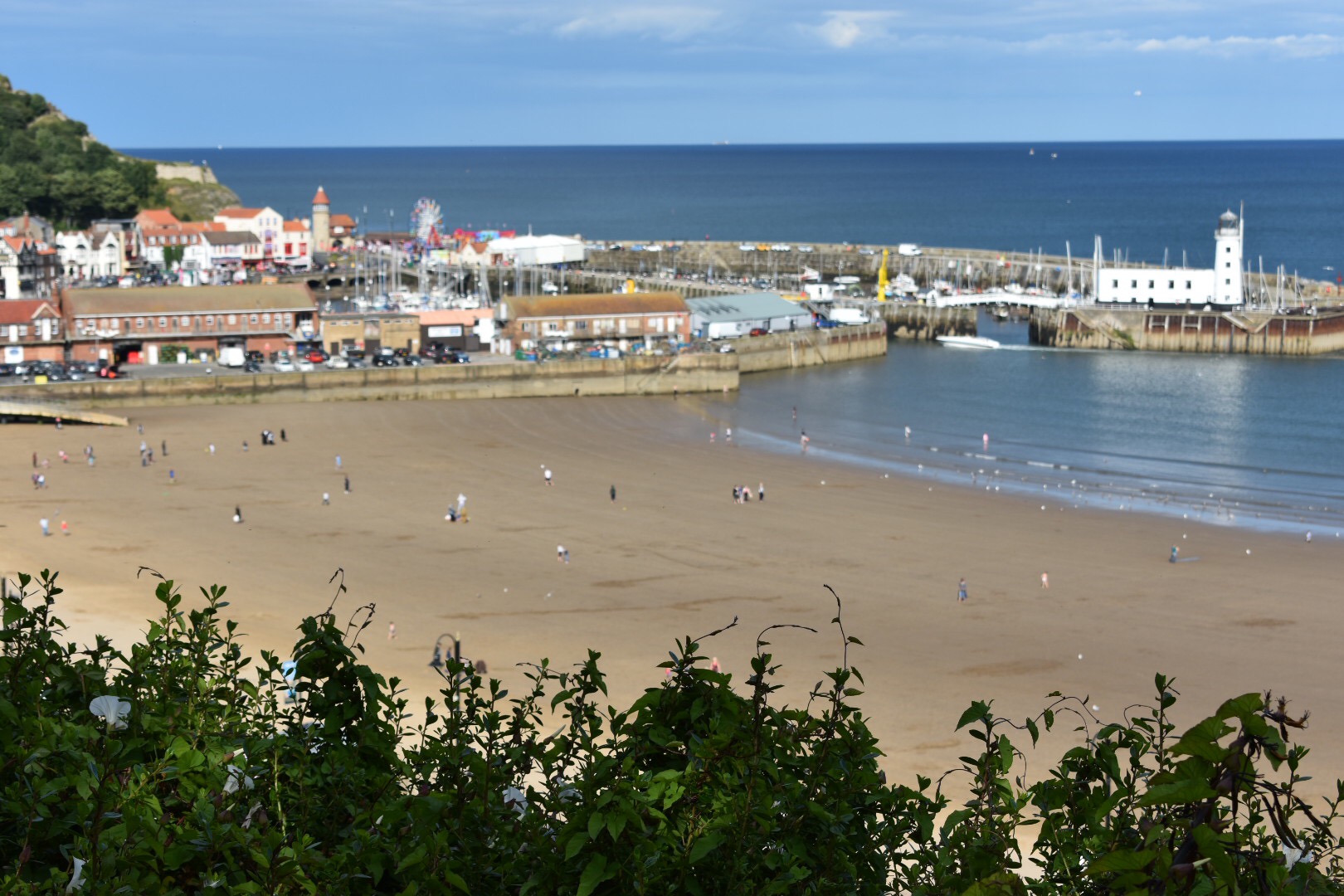
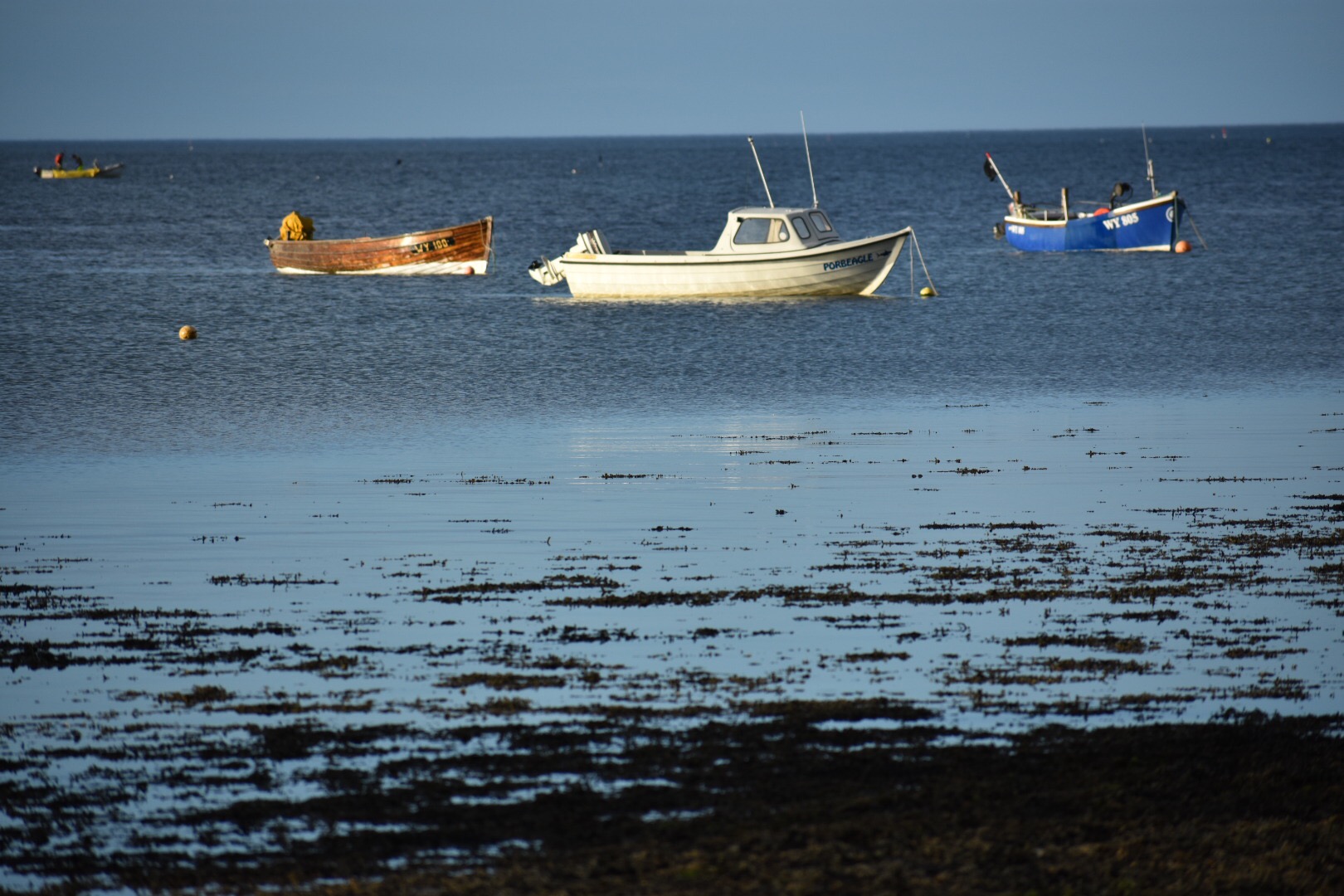
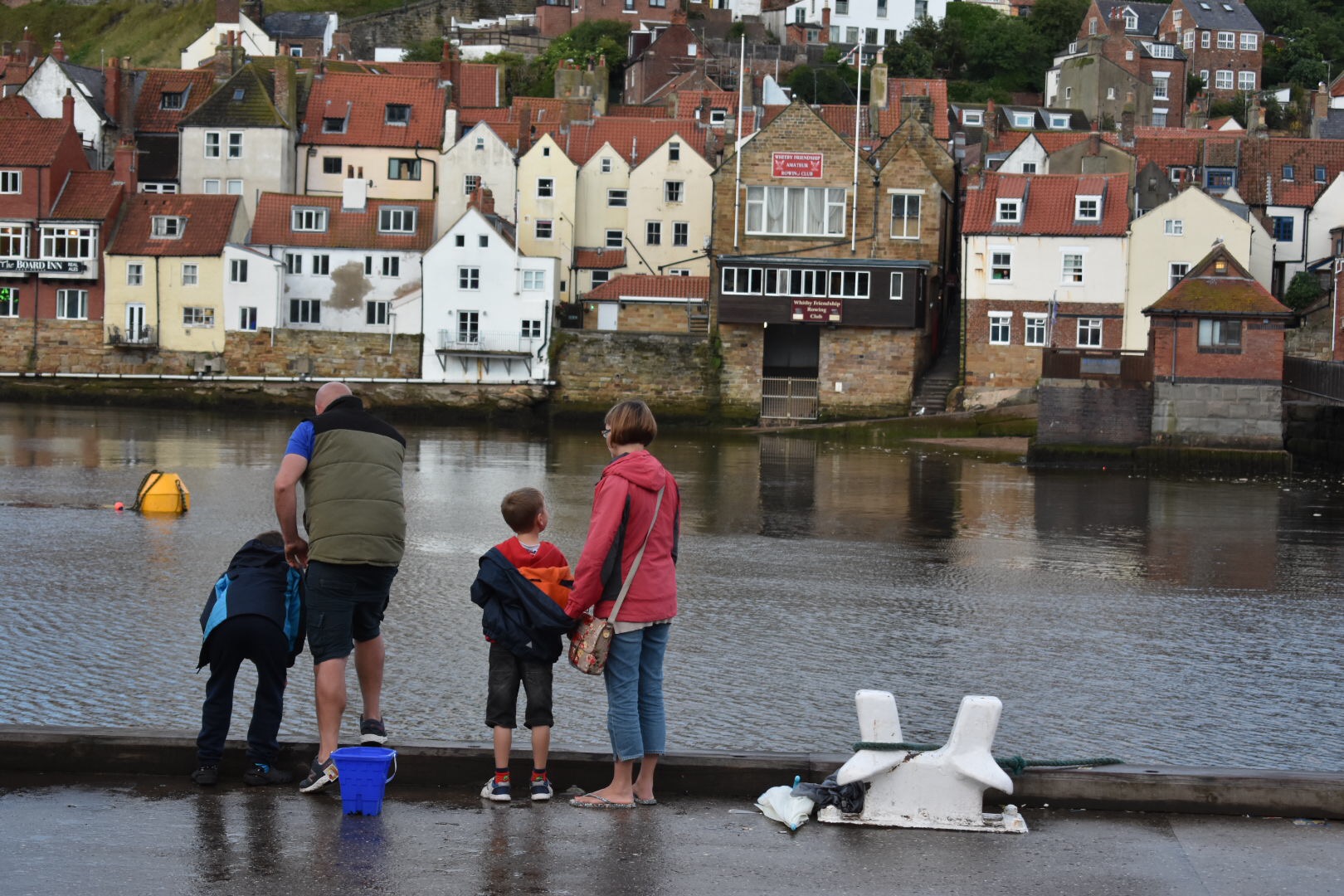
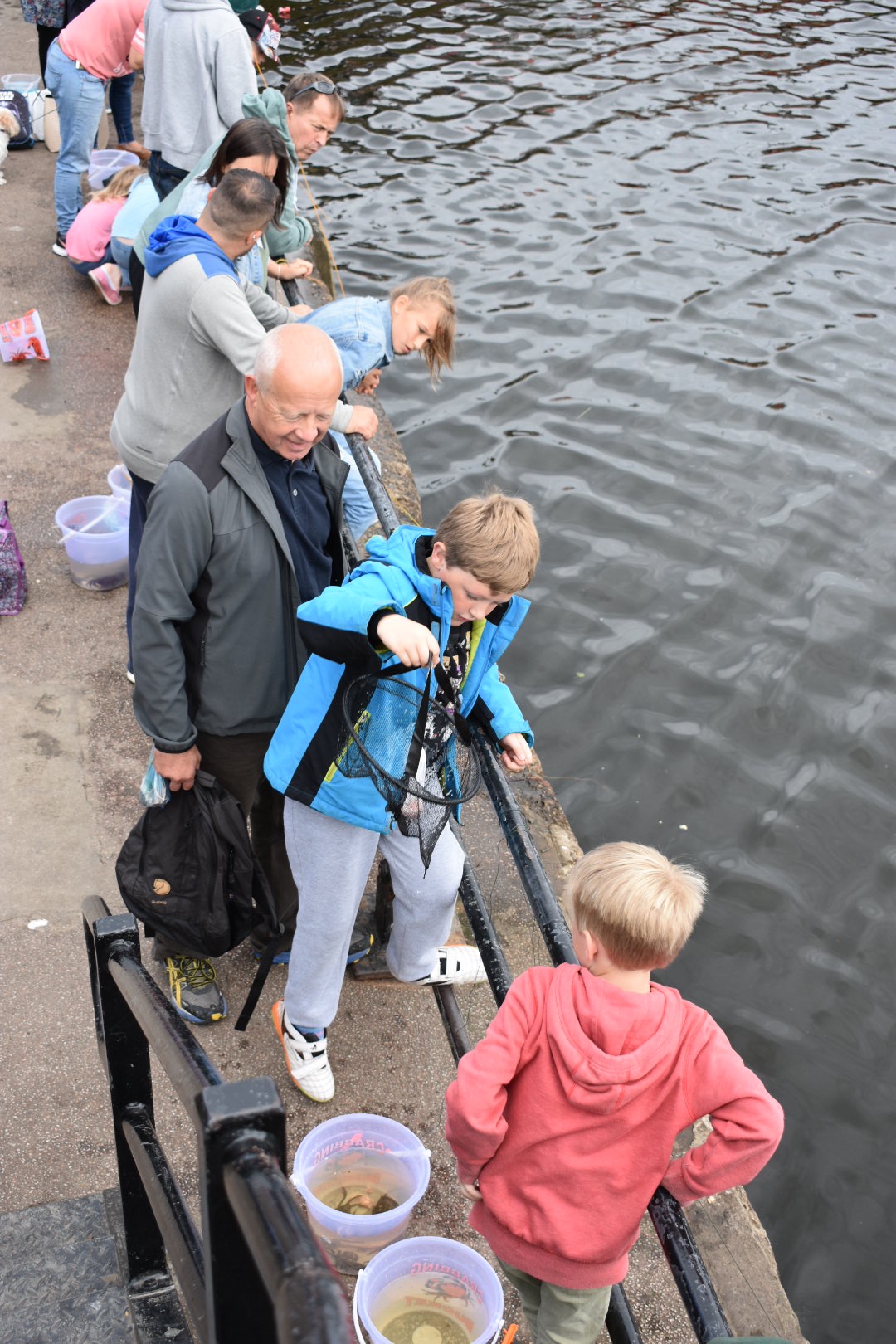
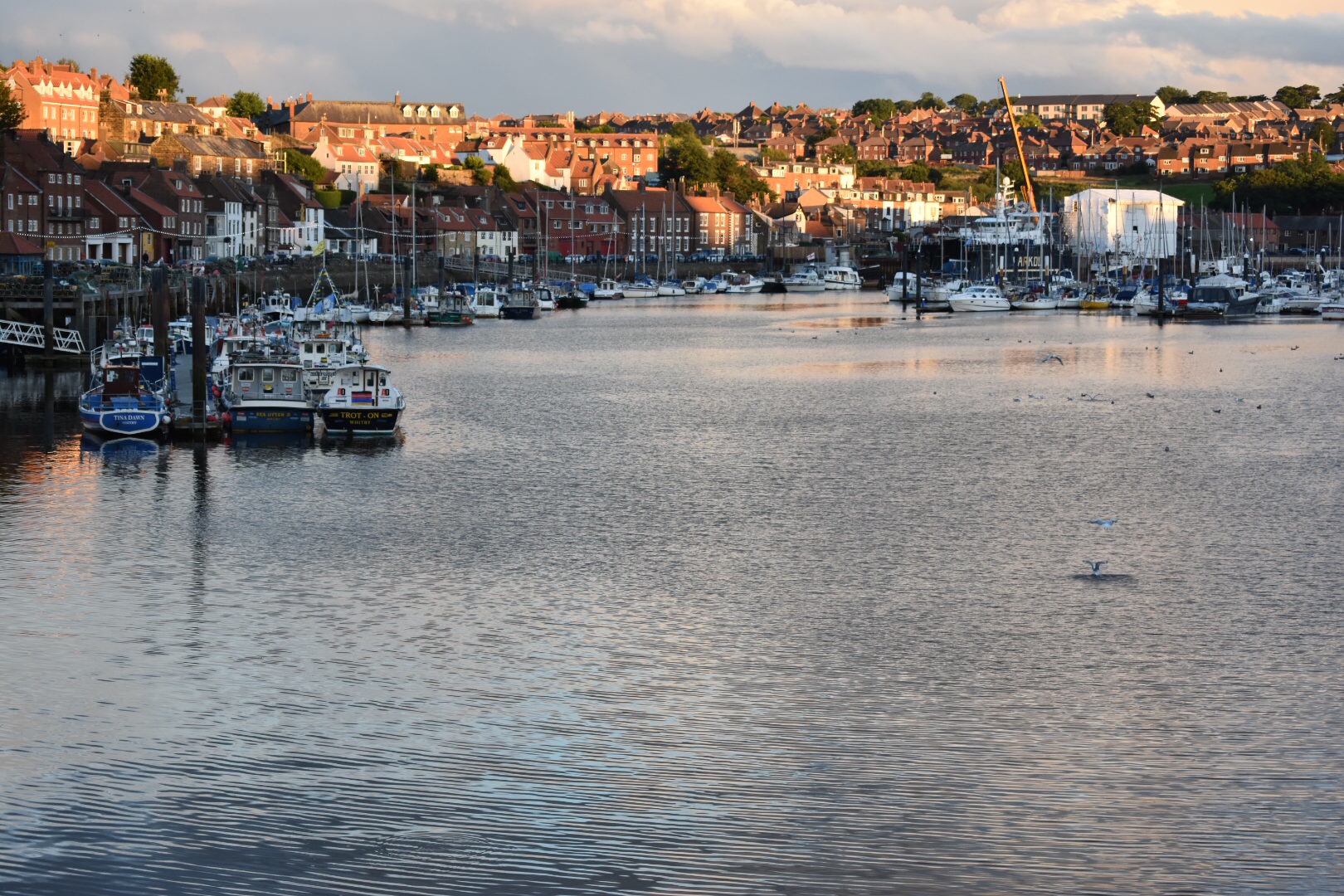
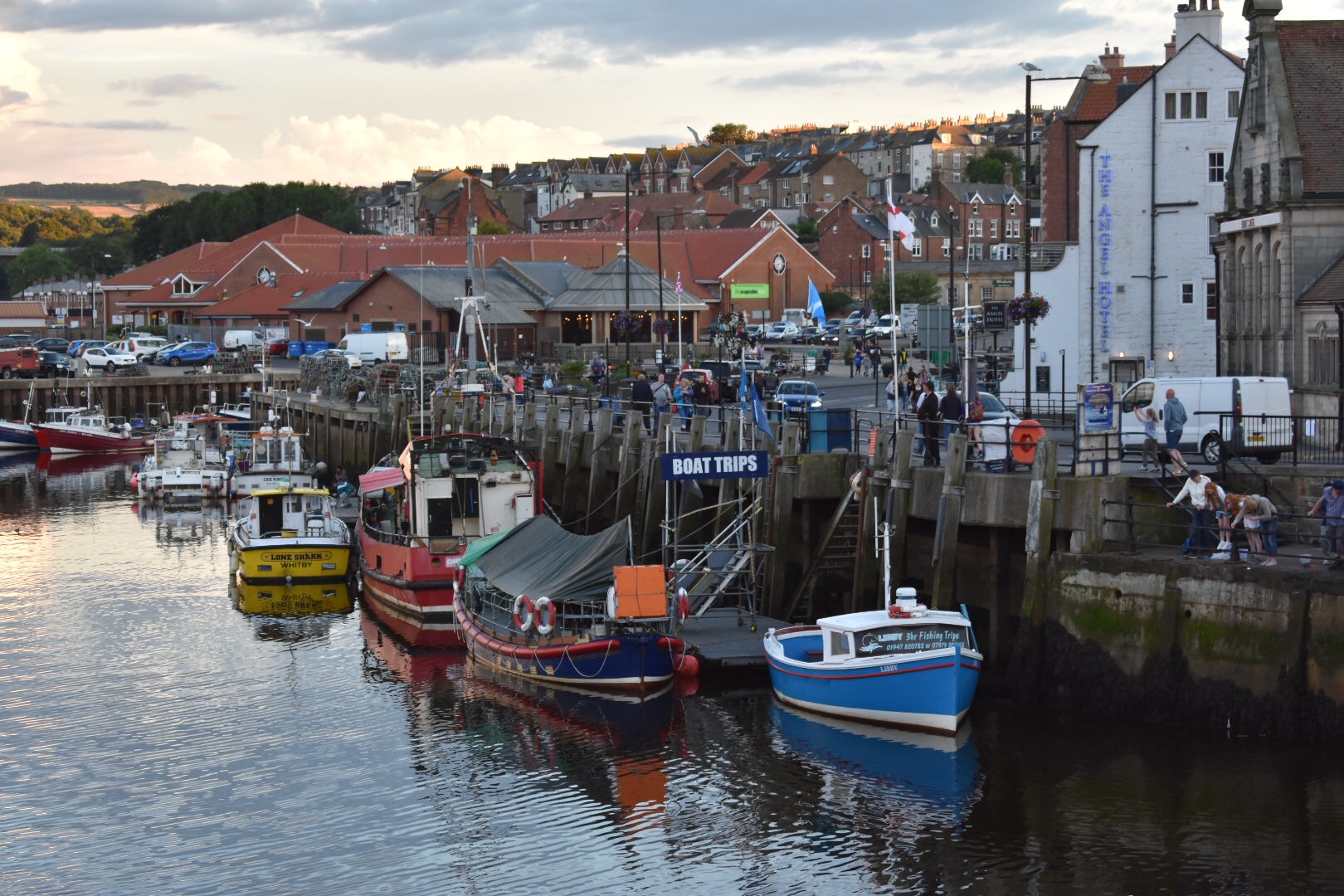
Down at the harbor in Whitby this morning I noticed the cutest scene. A line of children with plastic buckets were catching tiny crabs with nets and tossing them back into the sea. “Ahoy mate. Fancy a harbor tour?” said a pirate in front of his packed pirate ship.  Everyone was in such a summer holiday spirit that we knew it would be a great day in Yorkshire.

We headed out over the barren rolling moors with no trees or farms in sight.  They looked like a scene right out of James Herriot.  Our first stop was Eden Camp: Modern History Theme Museum. The museum is located on the site of a 1942 POW camp and at one time  held 1100 prisoners. Each barracks featured a different theme: women in the war, air raid shelters, rationing, or small businesses that existed during the war. There were airplanes and weapons on display and it was packed. Some of the rooms had simulations of bombing air raids complete with smoke.  One 10 year old boy tried to coax his little brother in, but he was too scared of the darkness and scurried out the door.  I cannot imagine what it was like for the people who lived through the war.
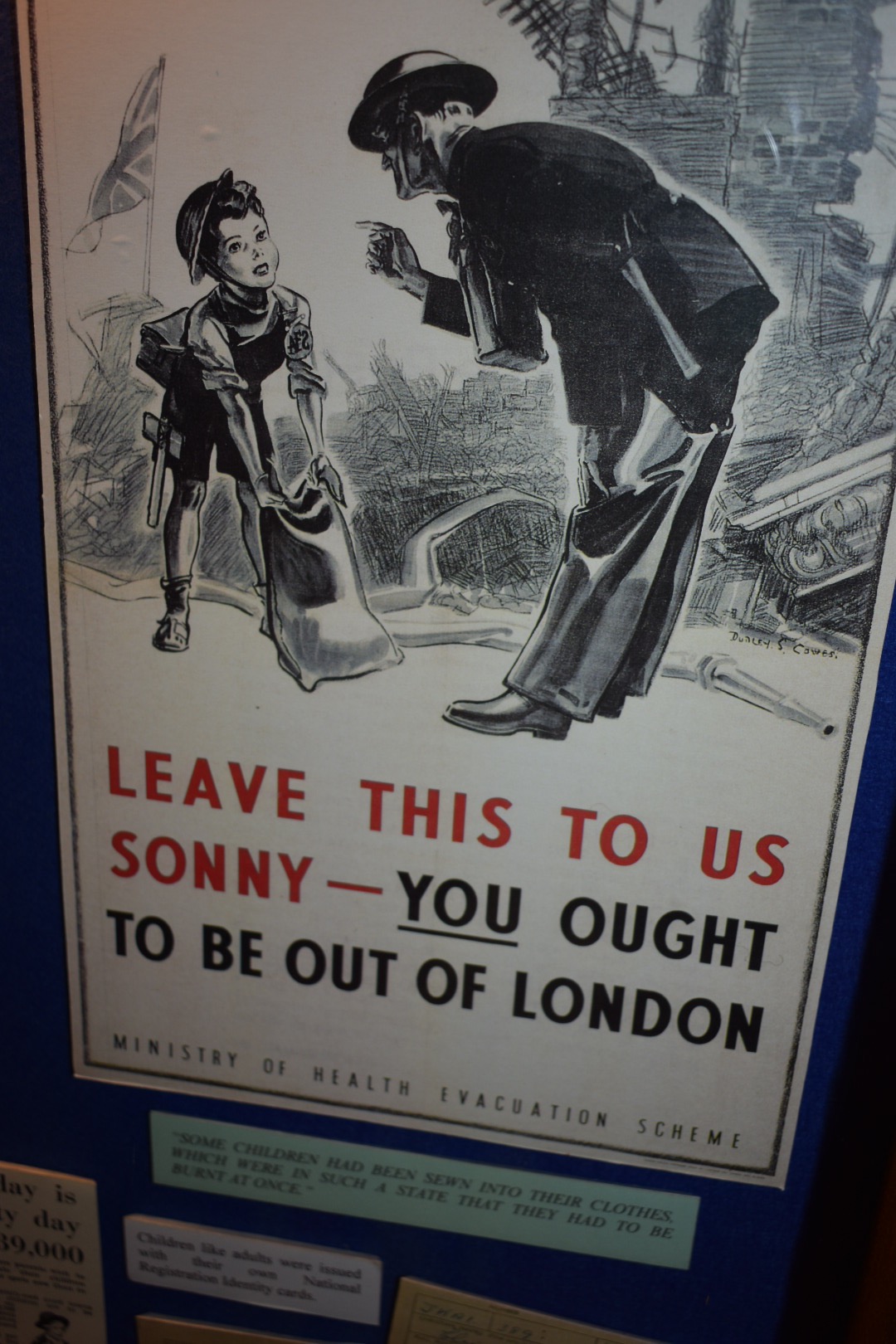
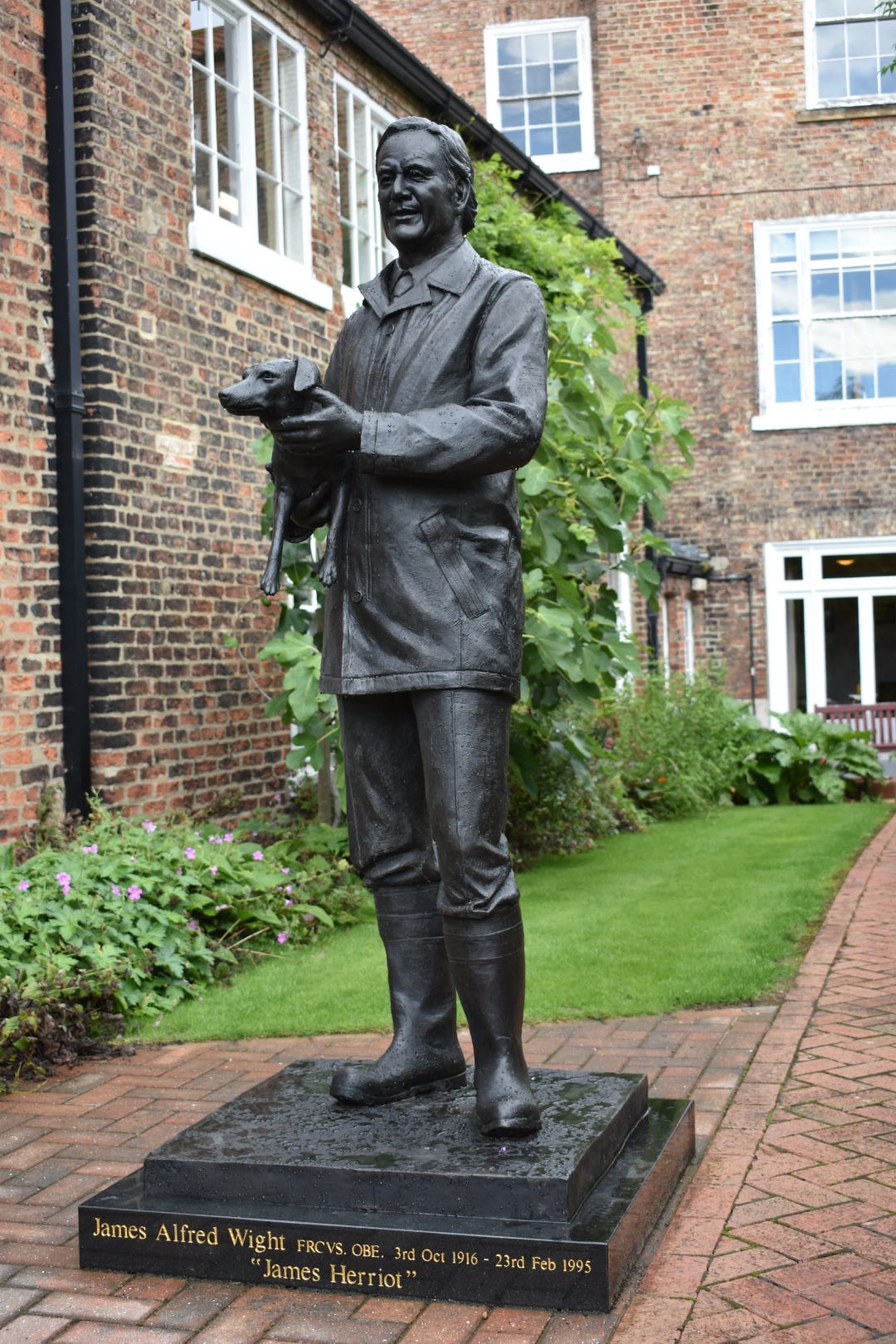
Our next stop was a happier kind of place: The World of James Herriot in Thirsk. I have read all of his books several times, have seen every episode of the BBC series, and use the children’s versions of his books in my fourth grade class. We got to tour his house, the surgery, and a recreation of the BBC set for the series. I loved every minute of this tour. They even had an interactive area with a Chutes and Ladders game James Herriot style, and an operation game for kids where a wooden dog barks joyfully if you remove a metal piece he had eaten.  You even get to try your hand at calving by grabbing the hooves inside a life sized plastic cow which was an unusual activity to say the least. Everywhere you looked in his house you could feel James Herriot’s love and respect for animals. When I get home I am going to read all of his books again and rewatch the series too.

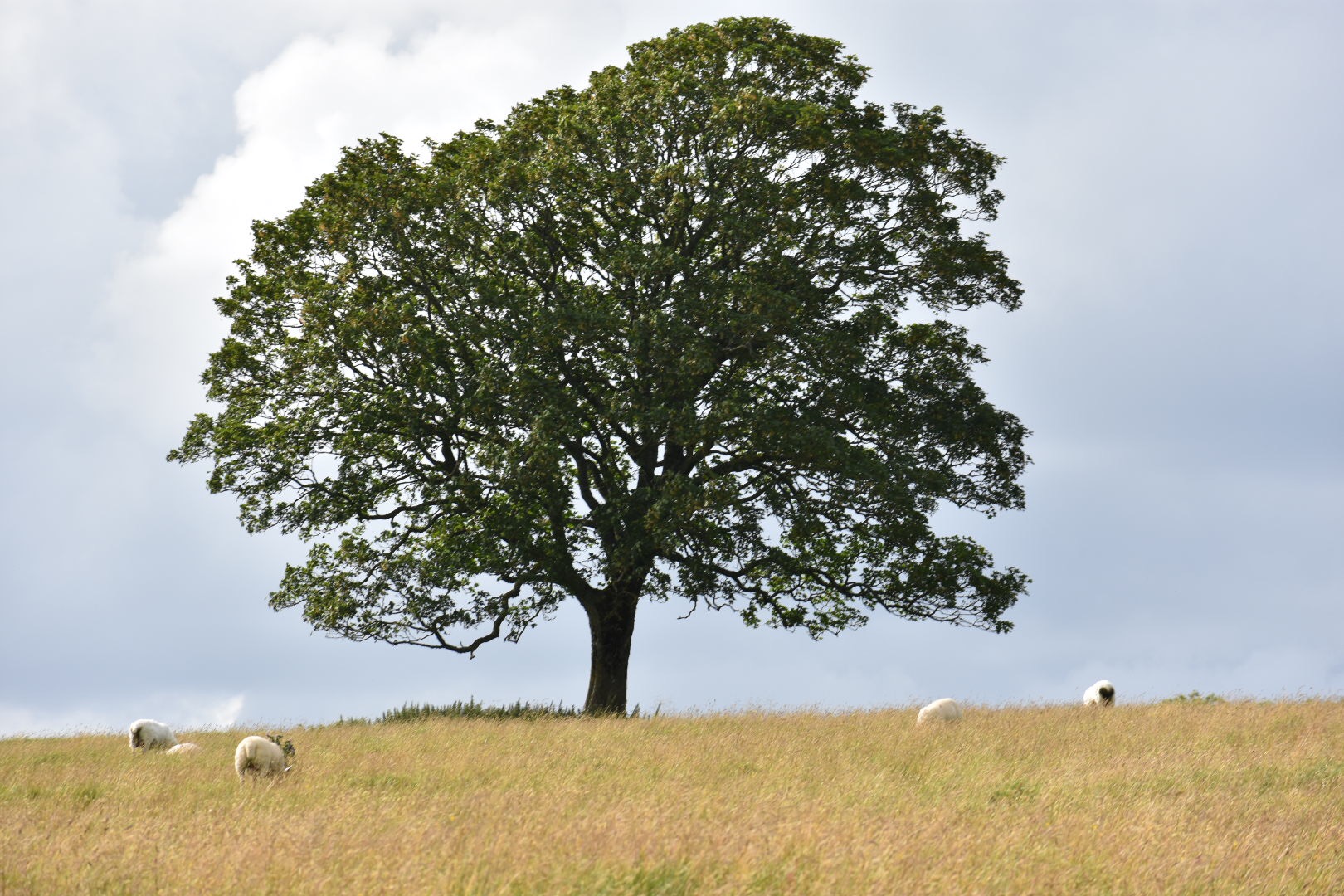
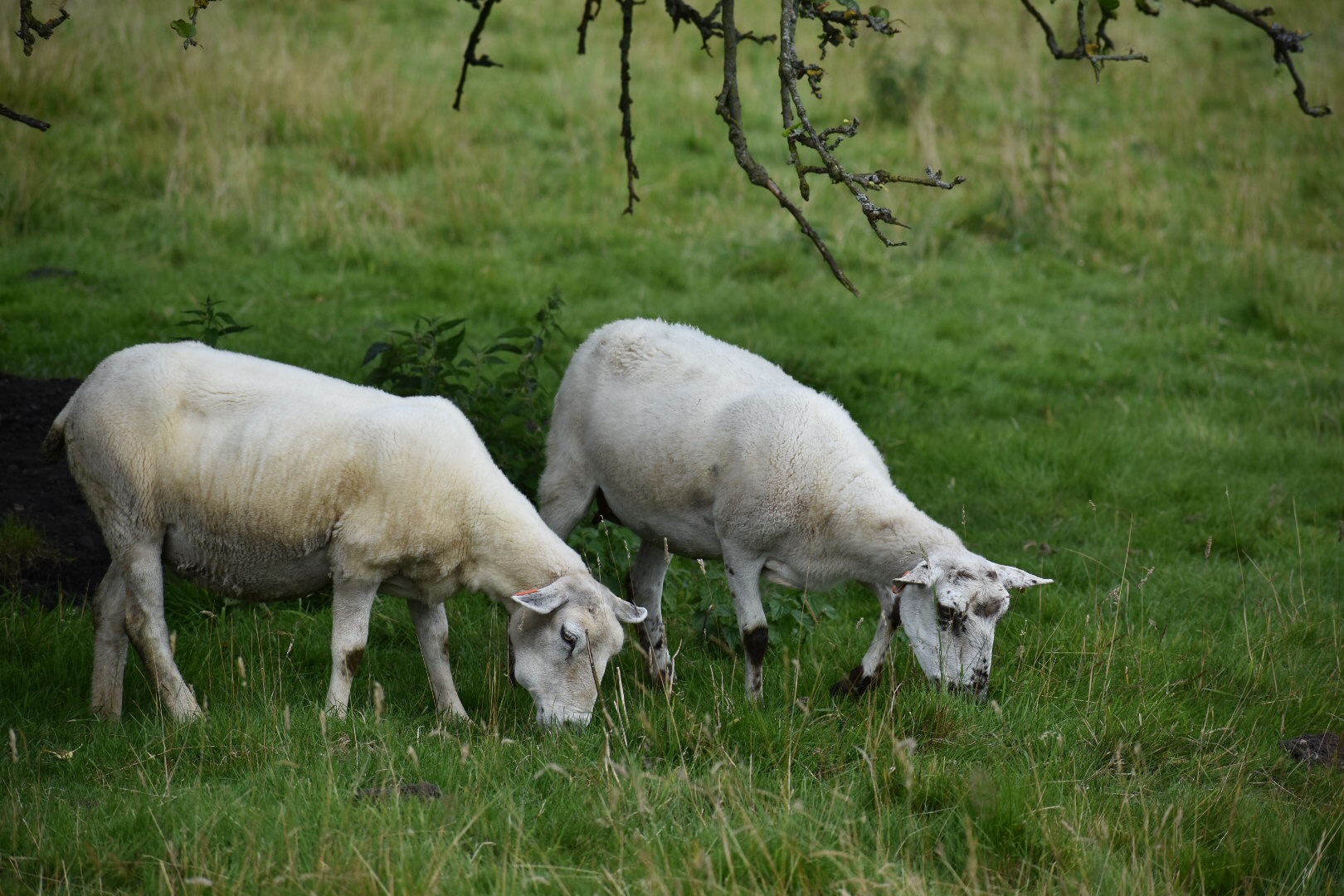
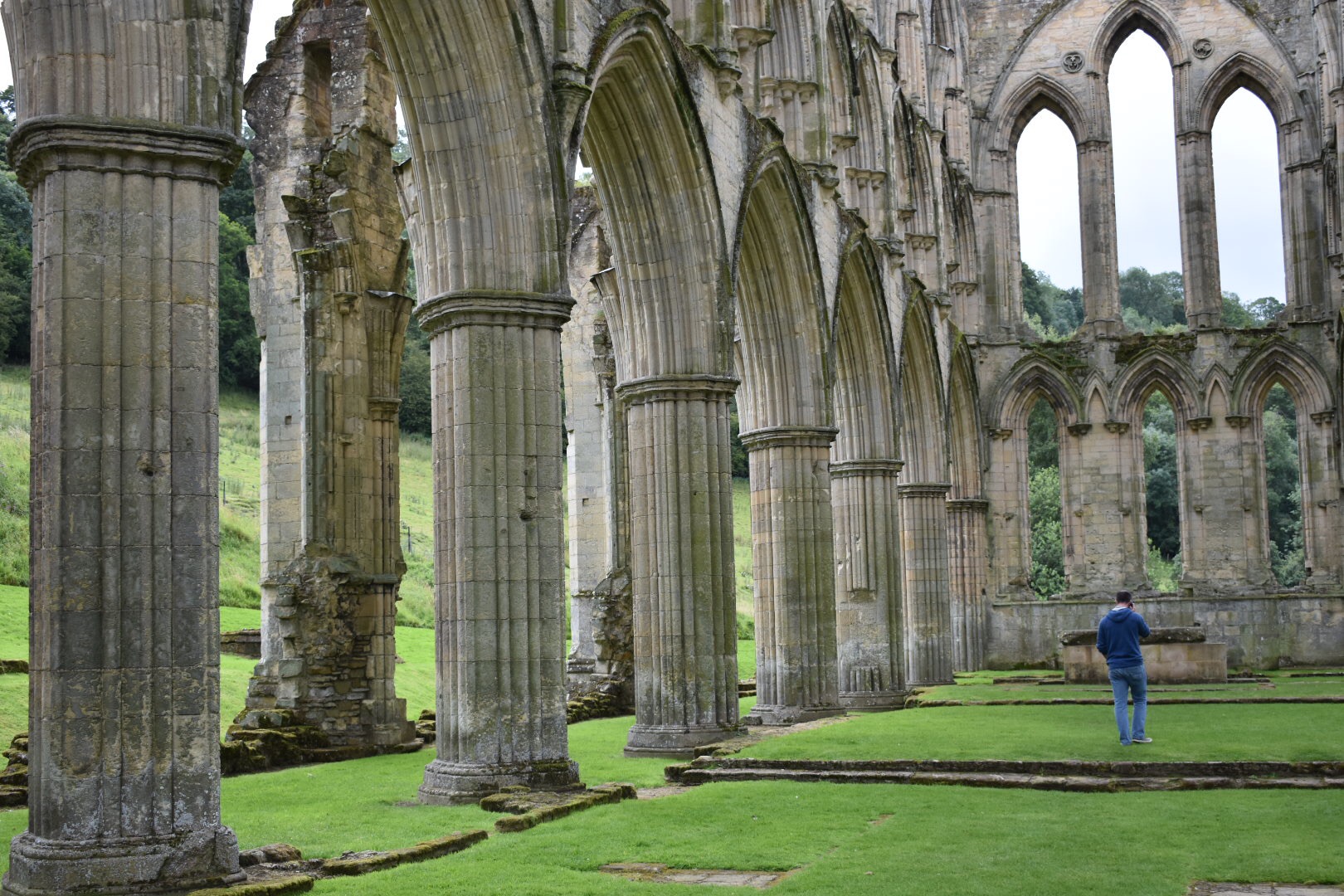
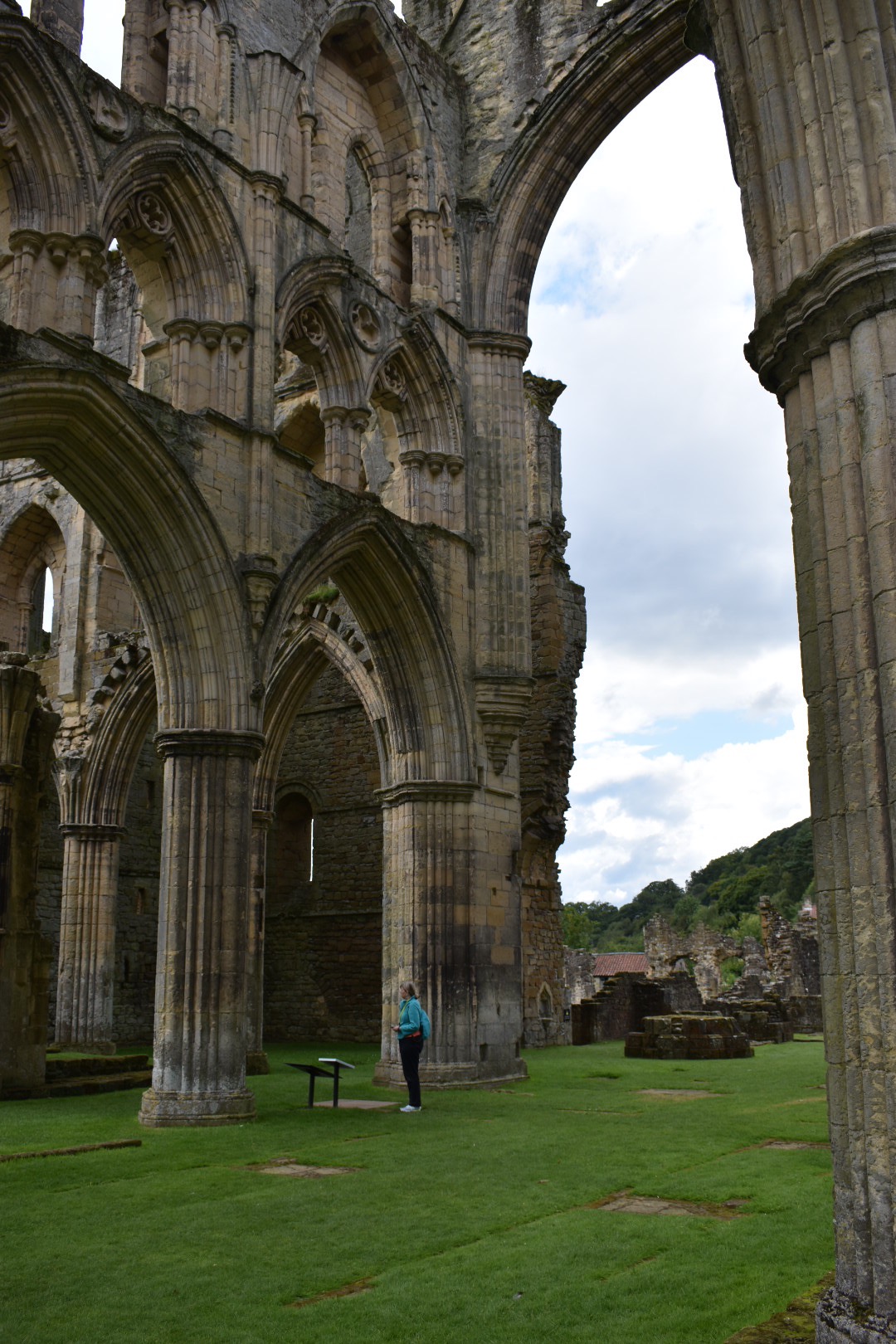
David really wanted to visit Rievaulx Abbey, but getting there was a white knuckle ride down a 5 mile winding one lane road where the branches from the hedgerows snap at your car and the stones bounce off the undercarriage. I honestly wasn’t convinced this car journey would be worth it, but I couldn’t have been more wrong. The shell of the Abbey built in 1132 was massive and looked stunning against the backdrop of the rolling hills and sheep grazing in the field. At one time in history over 500 people resided there. The Abbey was closed in 1538 by Henry VIII and for hundreds of years crumbled apart until the 1800s when people became interested in antiquities and excavations began. They gave us a very informative audio guide, but I abandoned it part way through. Sometimes it feels best to let a setting in nature speak for itself in silence.
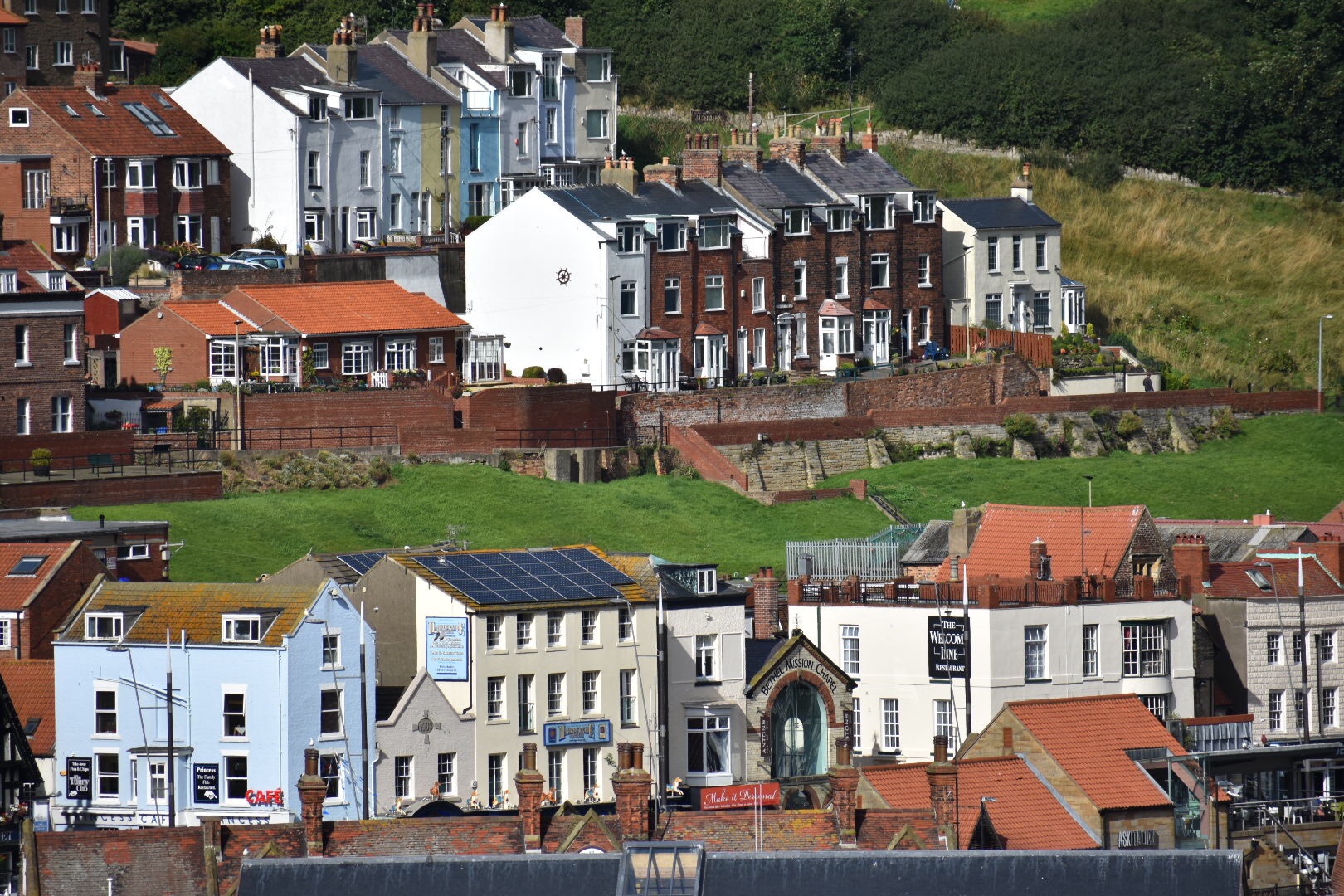
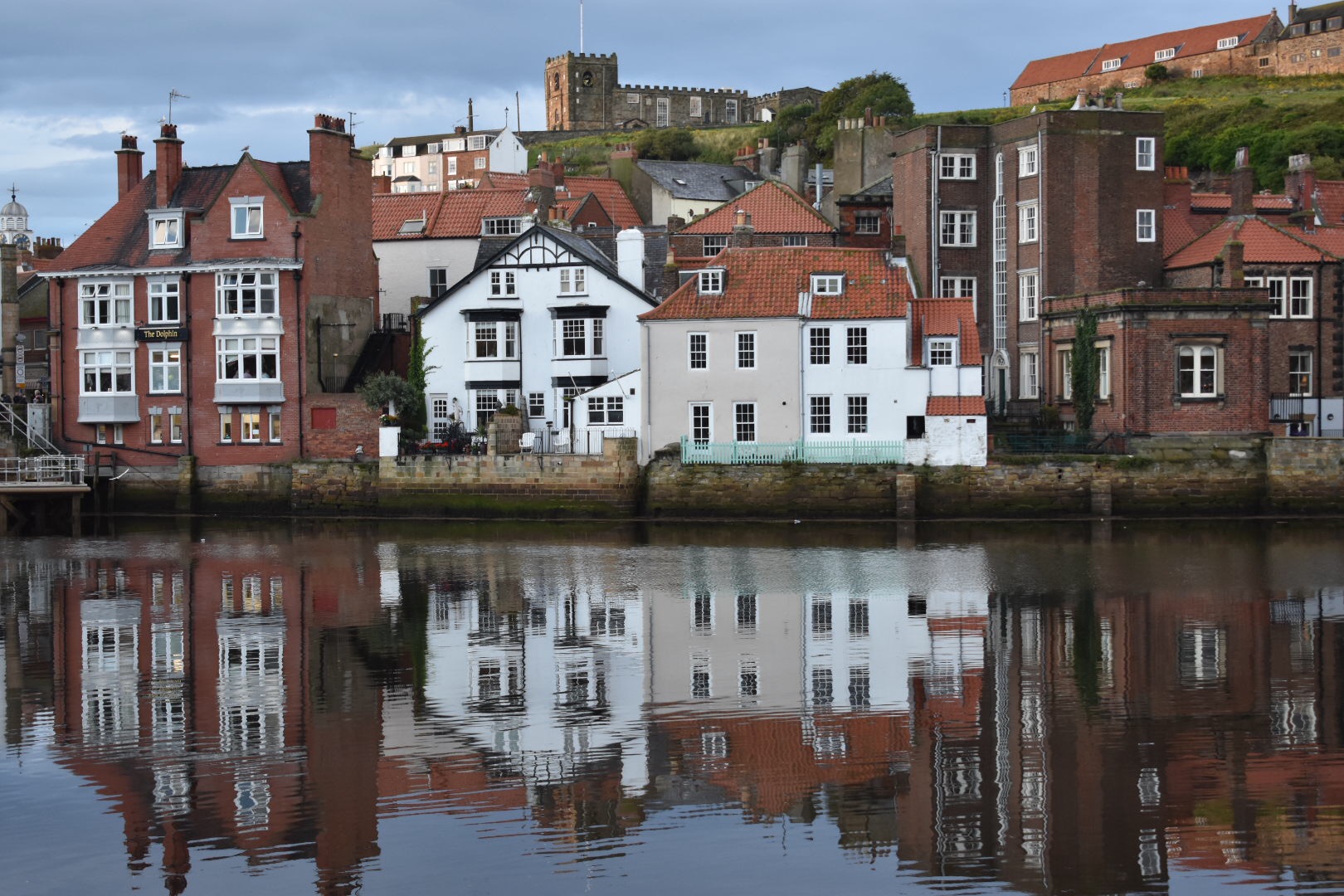
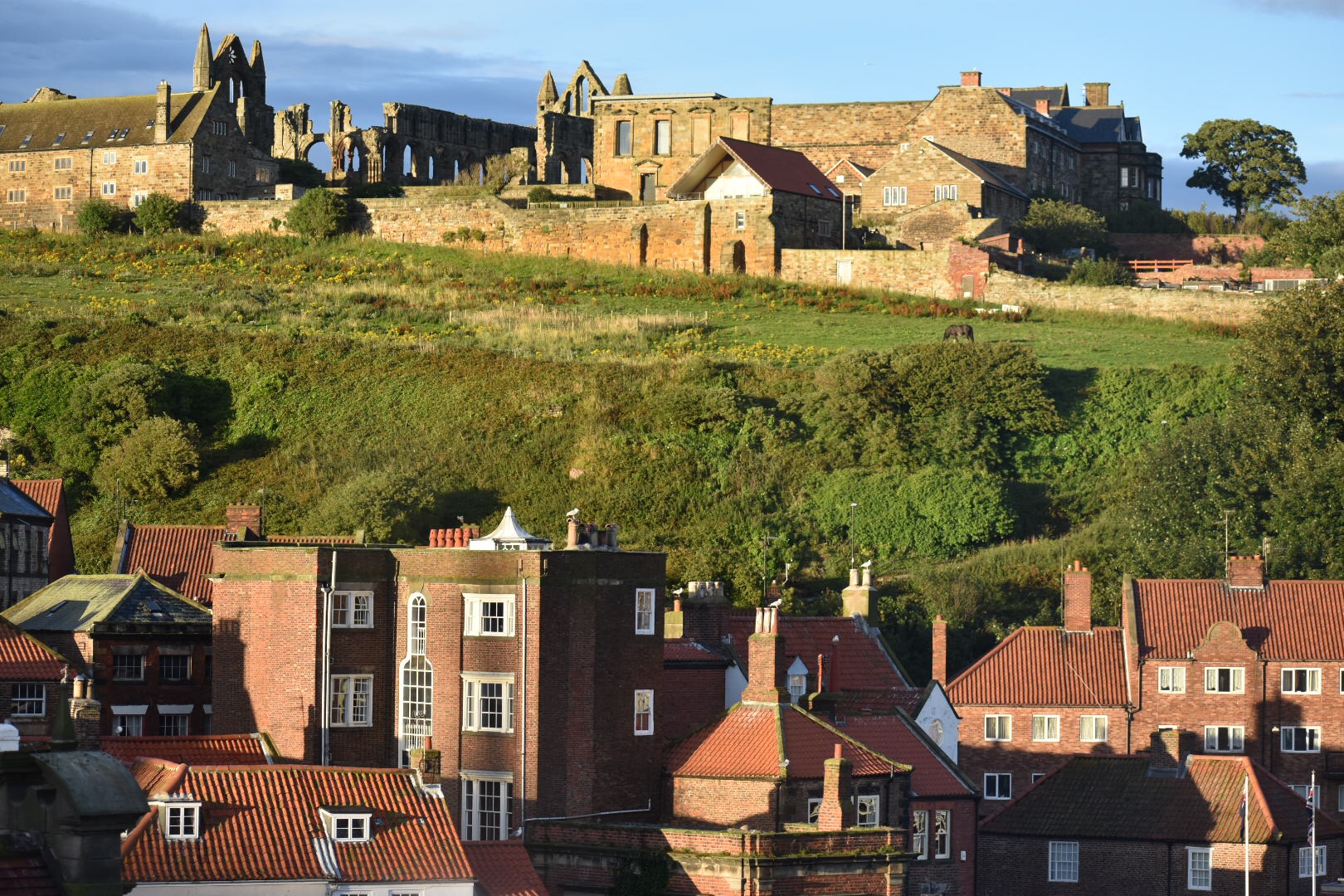
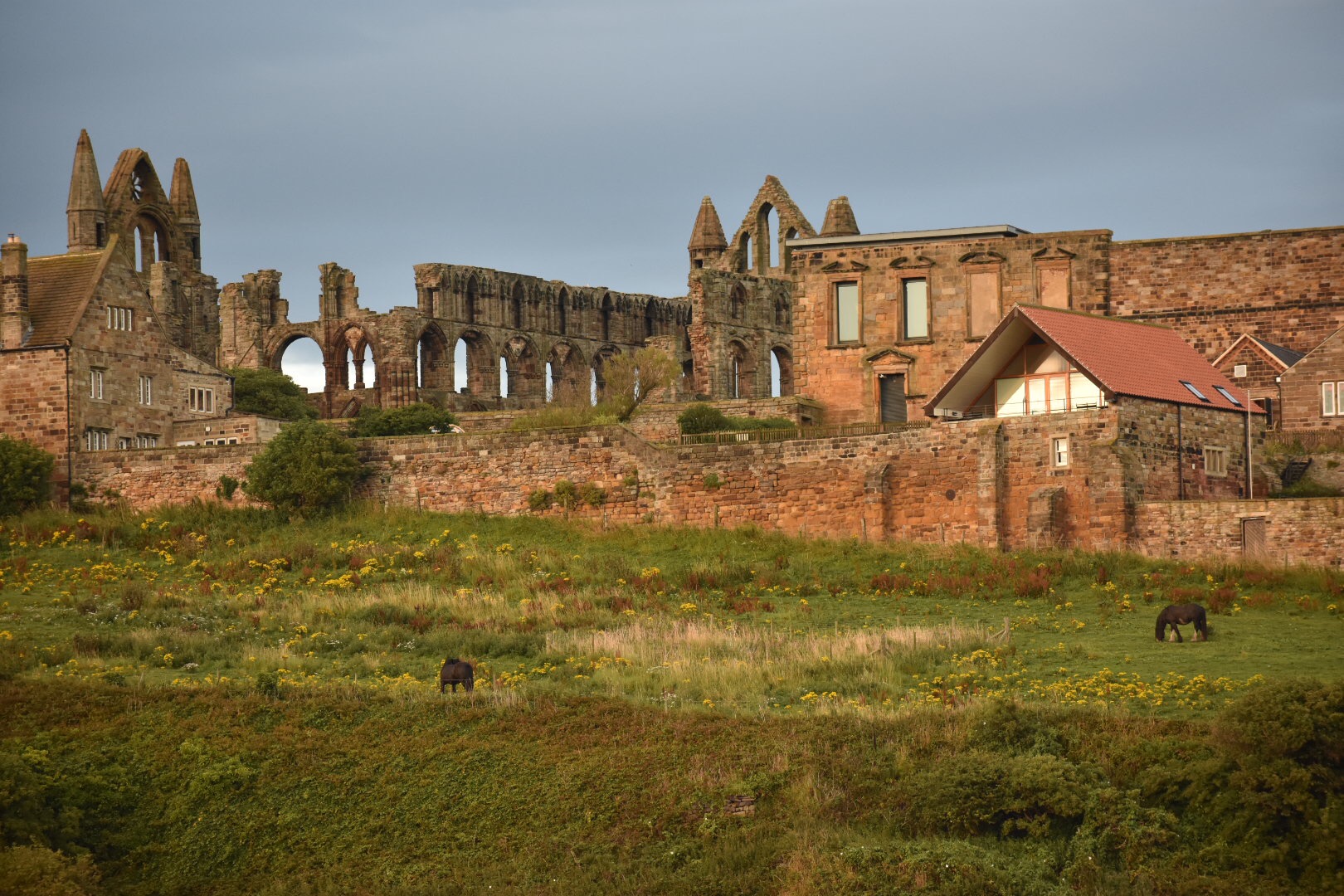
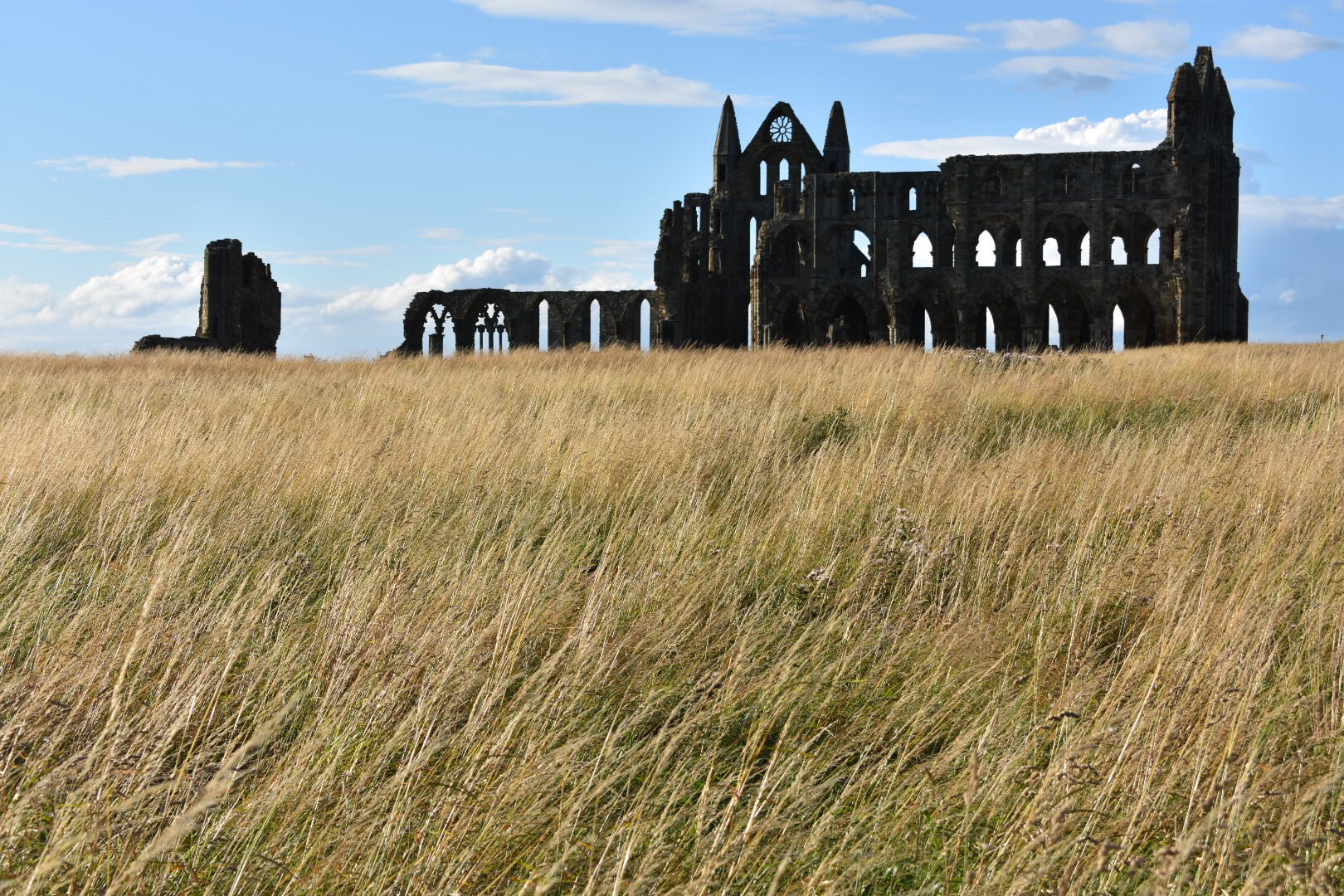
The seaside town of Whitby where we are staying lies in the shadow of Whitby Abbey. We were too late to visit it, but walked the perimeter of the wall around it.

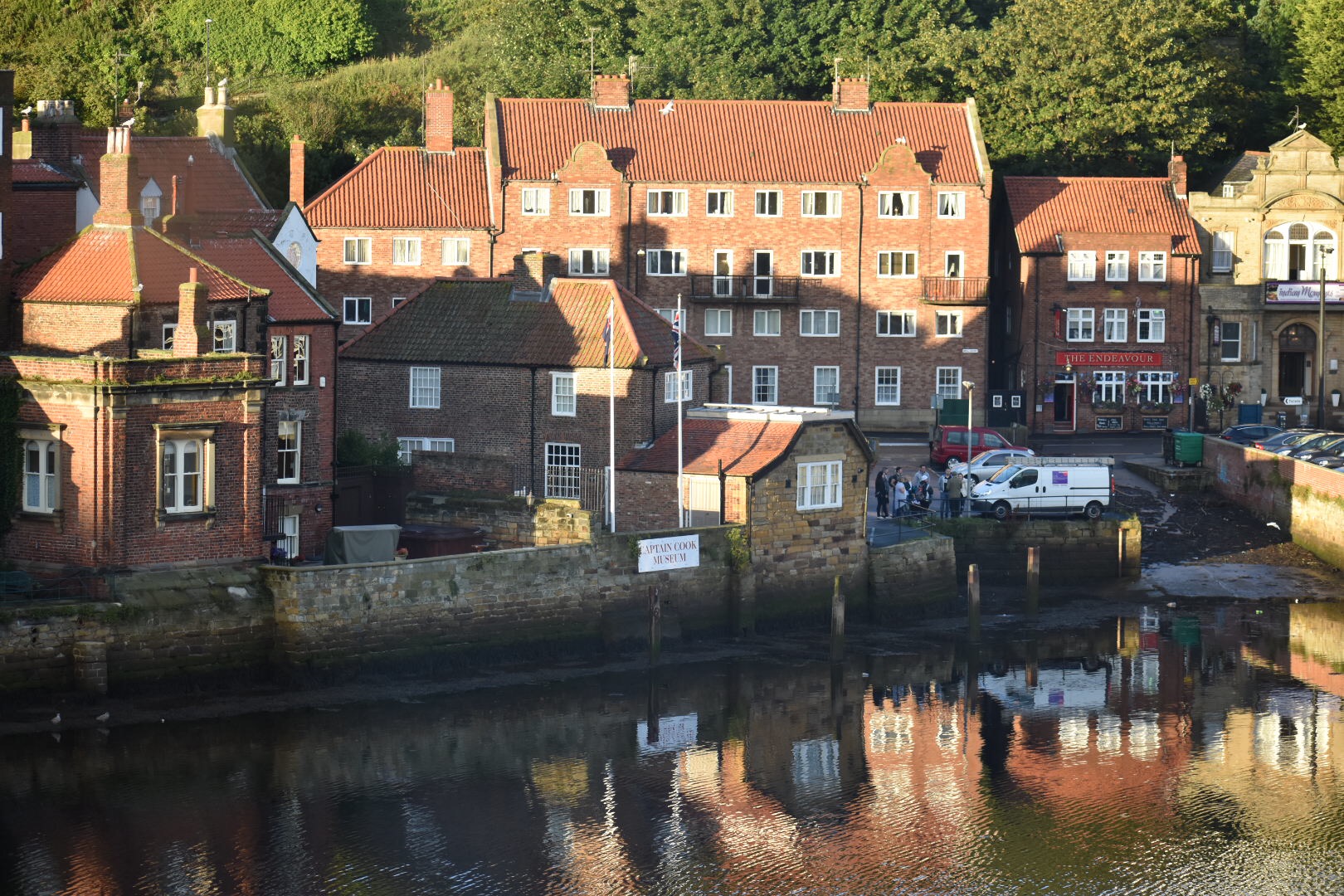
Back in town the children were still crabbing by the water. We had dinner at a new restaurant in townThe Star Inn, located in a former tourist information office and dined on halibut steaks. We played a few arcades and headed back to the room. We will miss Yorkshire. Tomorrow we take a train to London.
Of Yorkshire Elegance and Salty Charm


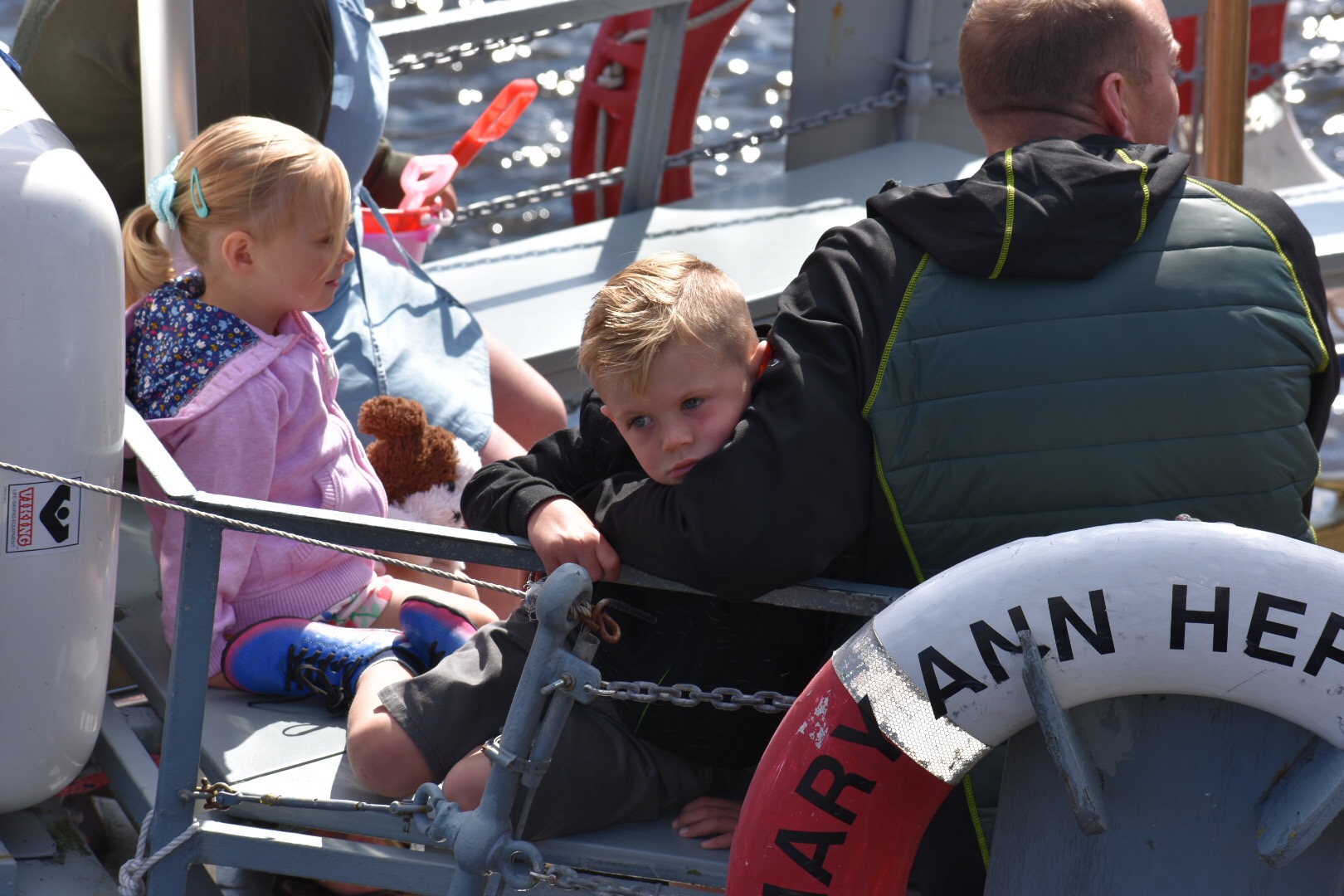
The sun was shining brightly this morning in Whitby and by 9:00 am people were already fishing or lining up for sightseeing boats. A particularly popular boat was a small pirate ship complete with a crew in costume. 


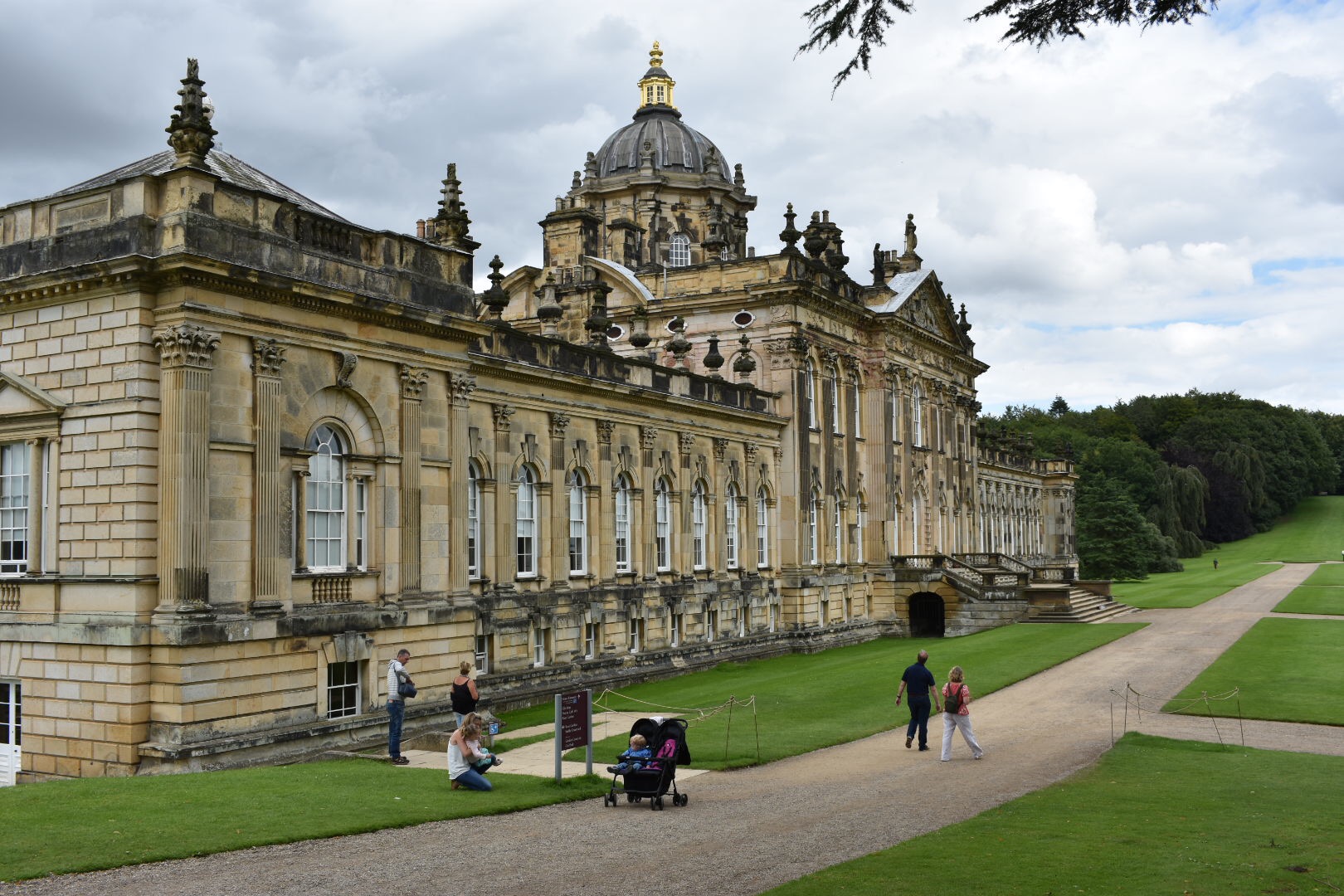
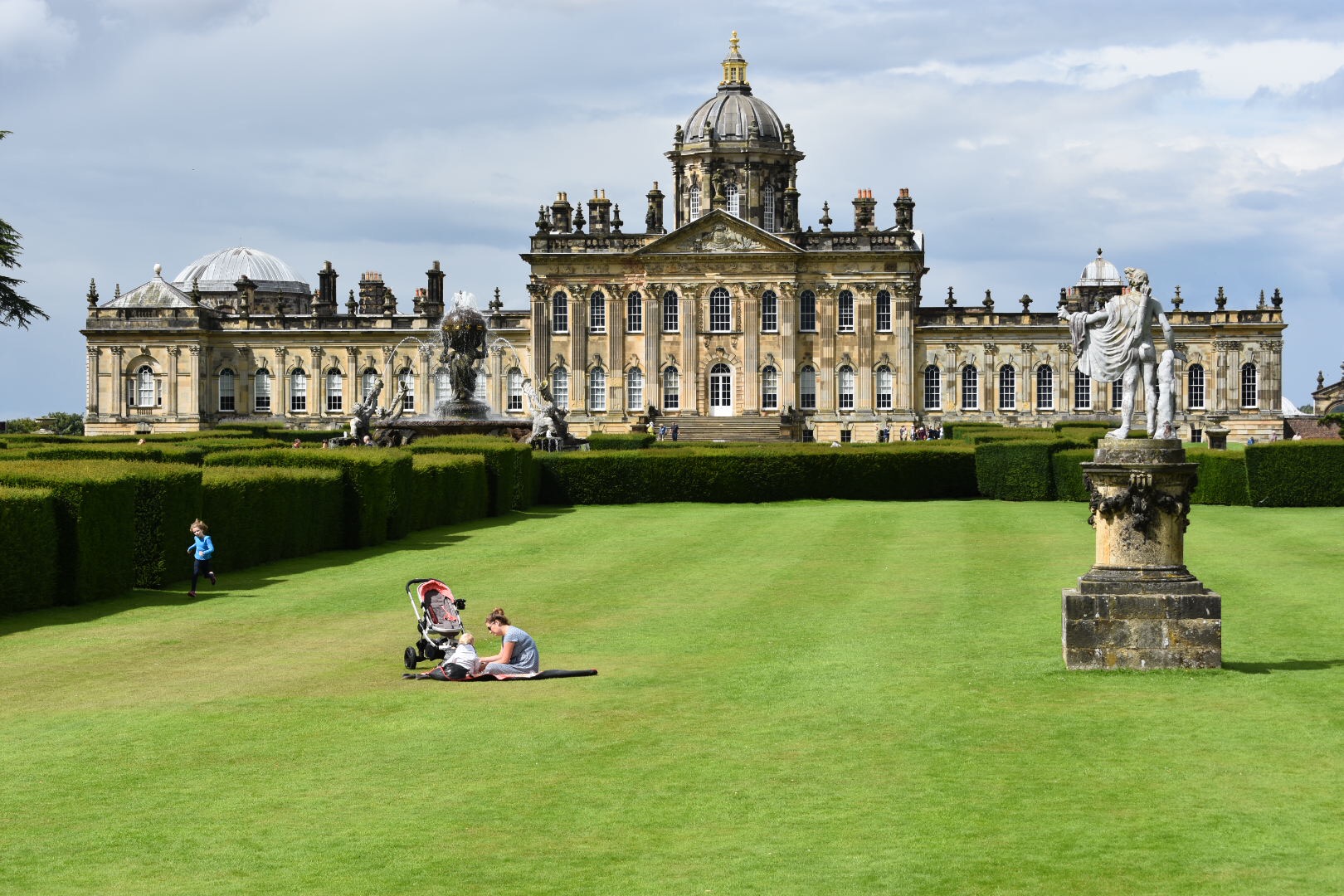
This morning we toured Castle Howard which is an elegant stone manor house built in 1699. It has remained in the Howard family since then and underwent considerable restoration in the 1960’s after a fire gutted  it in 1940. Although the family still lives in one of the wings, you can tour many of the other rooms. The Howard family has traveled extensively and their paintings and artifacts are tastefully displayed in every room. Chatty docents are stationed throughout the house to tell interesting stories about its history.


Castle Howard was featured in the popular 1981 mini series Brideshead Revisited starring Jeremy Irons and then again in the 2008 feature film. ‘See those feathers on top of the canopy bed?” said a docent disdainfully pointing them out. “They are not authentic. The BBC put them there!”


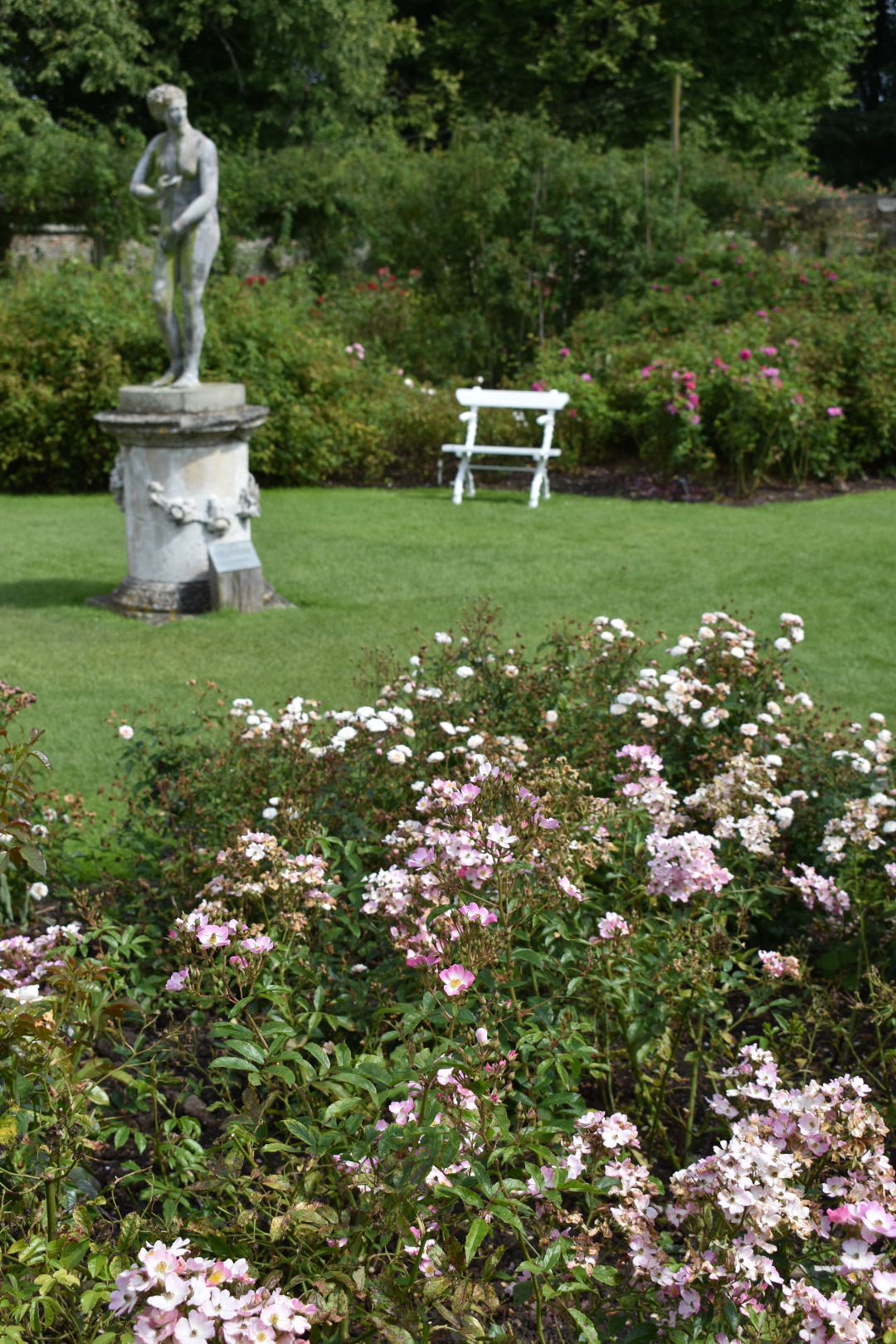
Outside on the immaculately maintained grounds, we toured the walled in rose garden. I love rose gardens. They remind me of my childhood. Our white picket fence in West Hartford was covered with roses. 

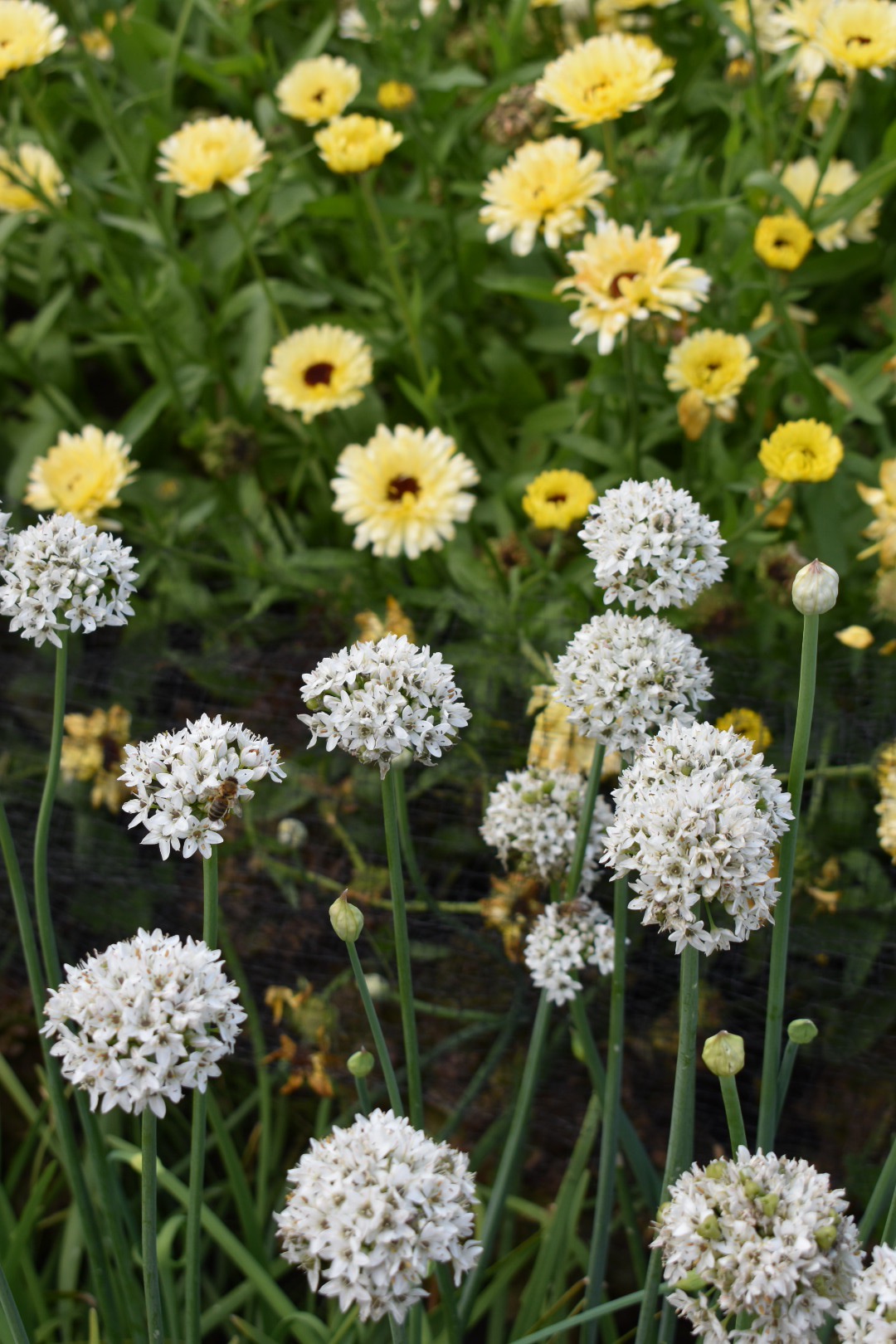
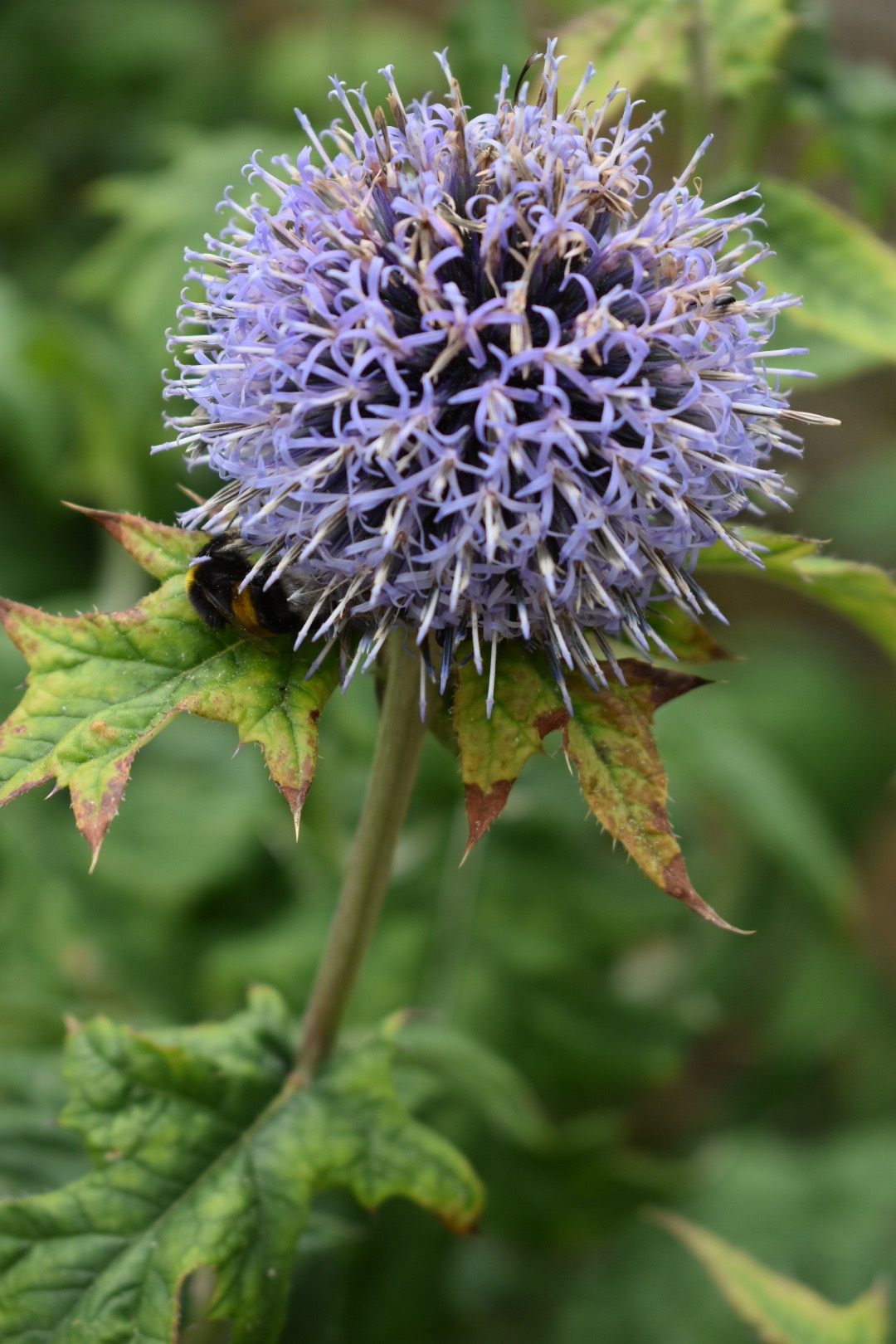
Each garden was separated with fences made of branches. In several gardens were miniature apple trees known as dog’s snout apples. They are old fashioned Yorkshire cooking apples. Huge bumblebees buzzed about. We saw one on the radiator in the castle that was so enormous it didn’t look real. ‘My goodness. He must be stuffed with pollen!” exclaimed a docent when everyone gasped at the sight of it crawling around. 


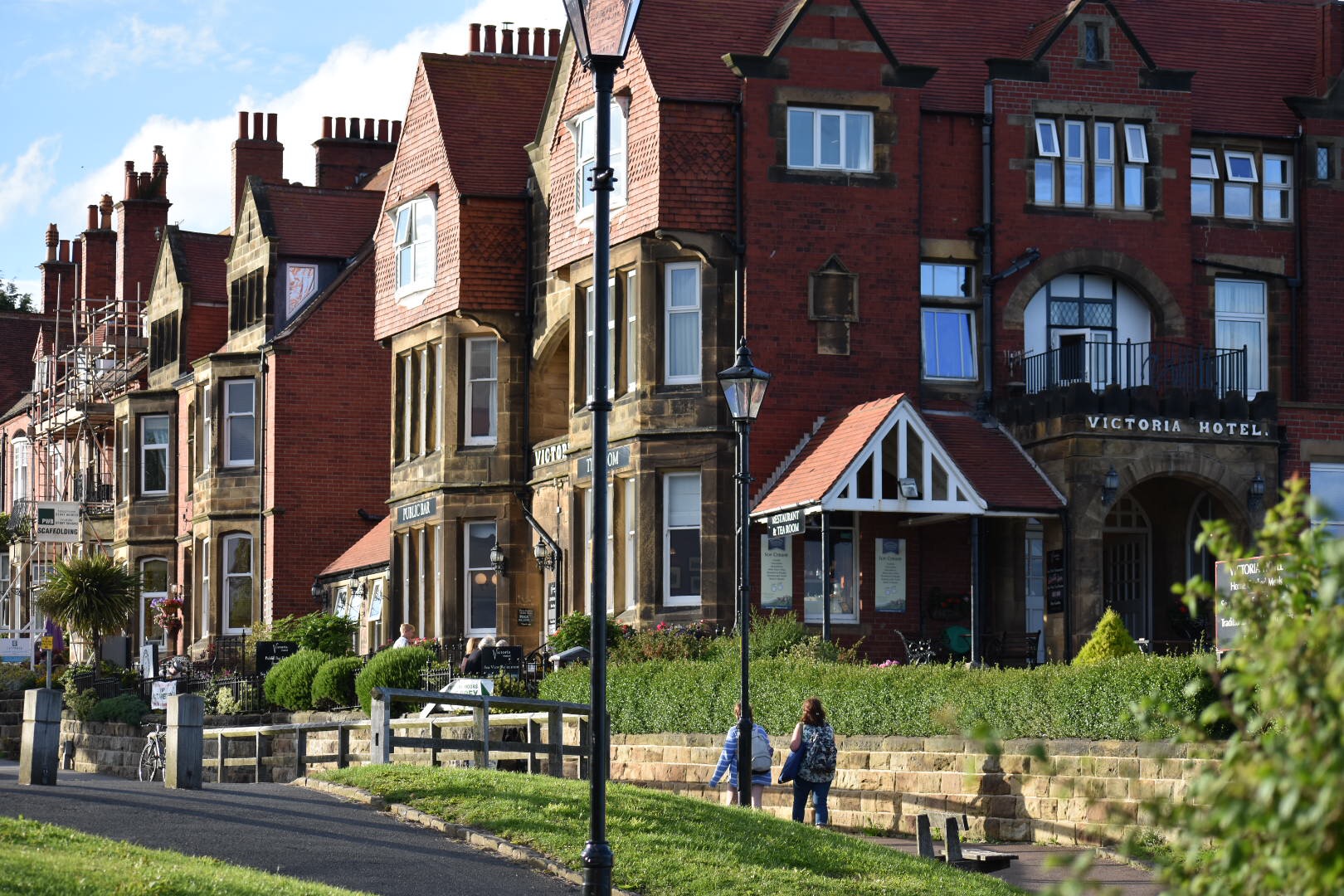
Last Friday when we were visiting the Roman ruins in Northumbria, we met a man who told us an interesting story. In the highly touristic seaside town of Scarborough is an old world hotel high on a cliff above the beach known as the Grand Hotel. He told us his wife had seen it as a child and dreamed of going there so he booked a room in early July.  “It was rubbish!” he said. “The first room they gave us was below ground level with no windows and when we complained, they moved us to a room in considerable disrepair with seagulls roosting out the window.”

We had seen this magnificent hotel in old movies and had read the Trip Advisor reviews. It ranks 28/28 in the town with a rating of 2 out of 5. Stopping in Scarborough on the way back to our hotel, I wanted to see if this place could be that bad. It was, only worse.

The once elegant old world lobby with a grand staircase is now decorated with bingo posters. Gone is the elegant hotel shown in the black and white photos that decorate the walls. The massive terrace with a sweeping view of the beach was littered with trash and seagull droppings and was outright hideous. Picnic tables were falling apart and the seagulls roosting everywhere all over the hotel were positively Hitchcockian. I don’t know if a hotel of this size can ever be brought back to its glory days. I felt sad for the unsuspecting pensioners the coaches were dropping off.  It’s times like this that make me feel thankful for what we have in life.


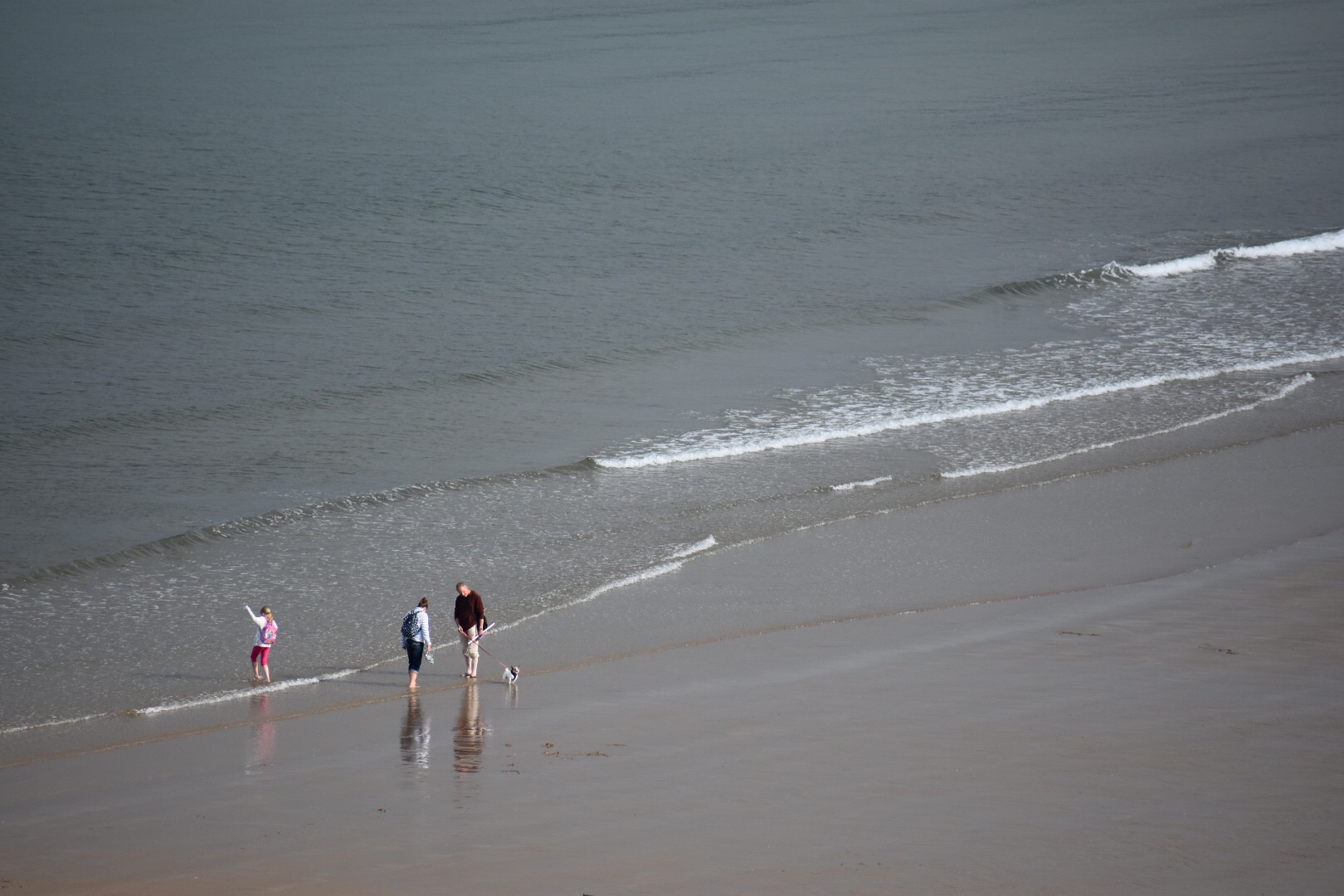
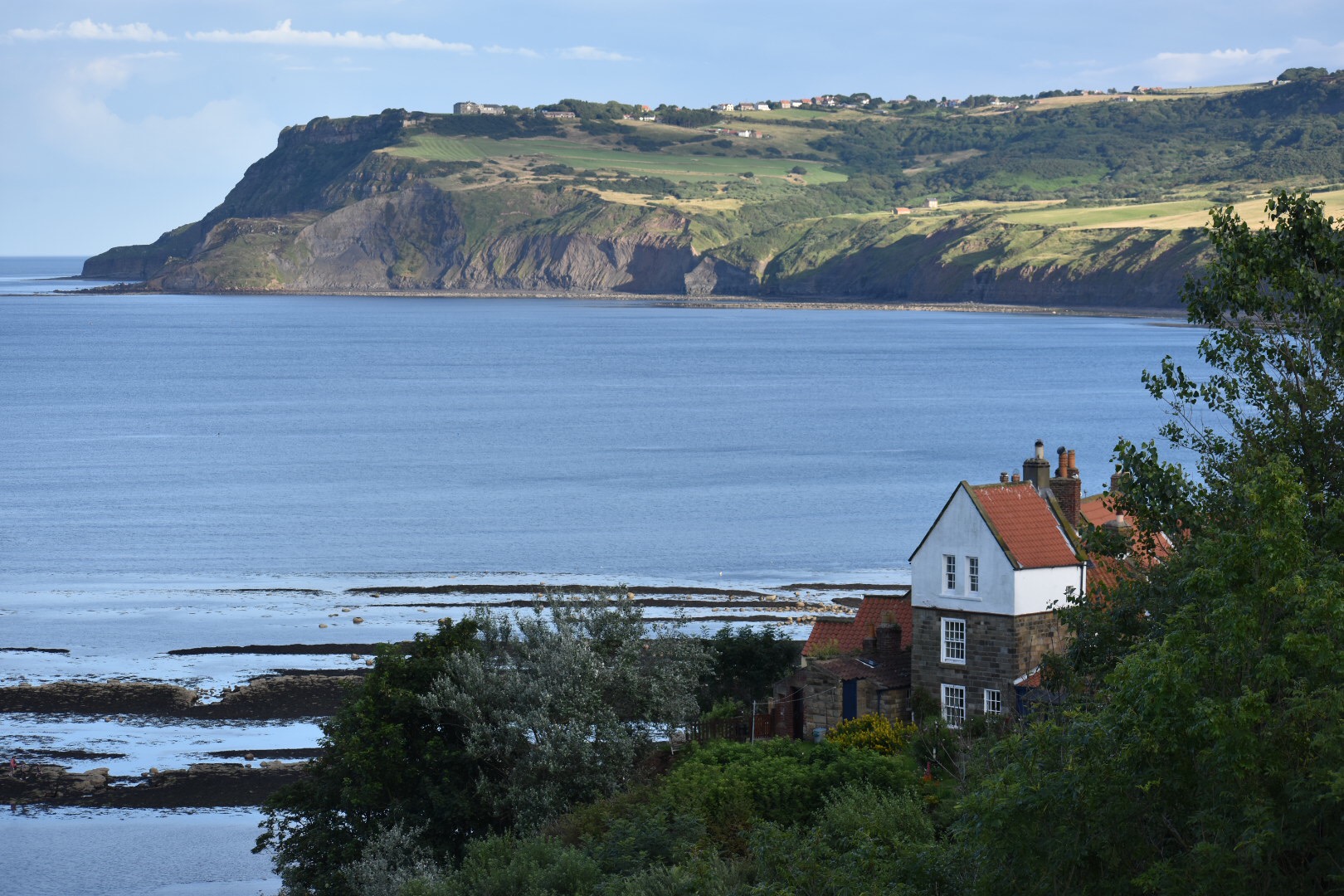
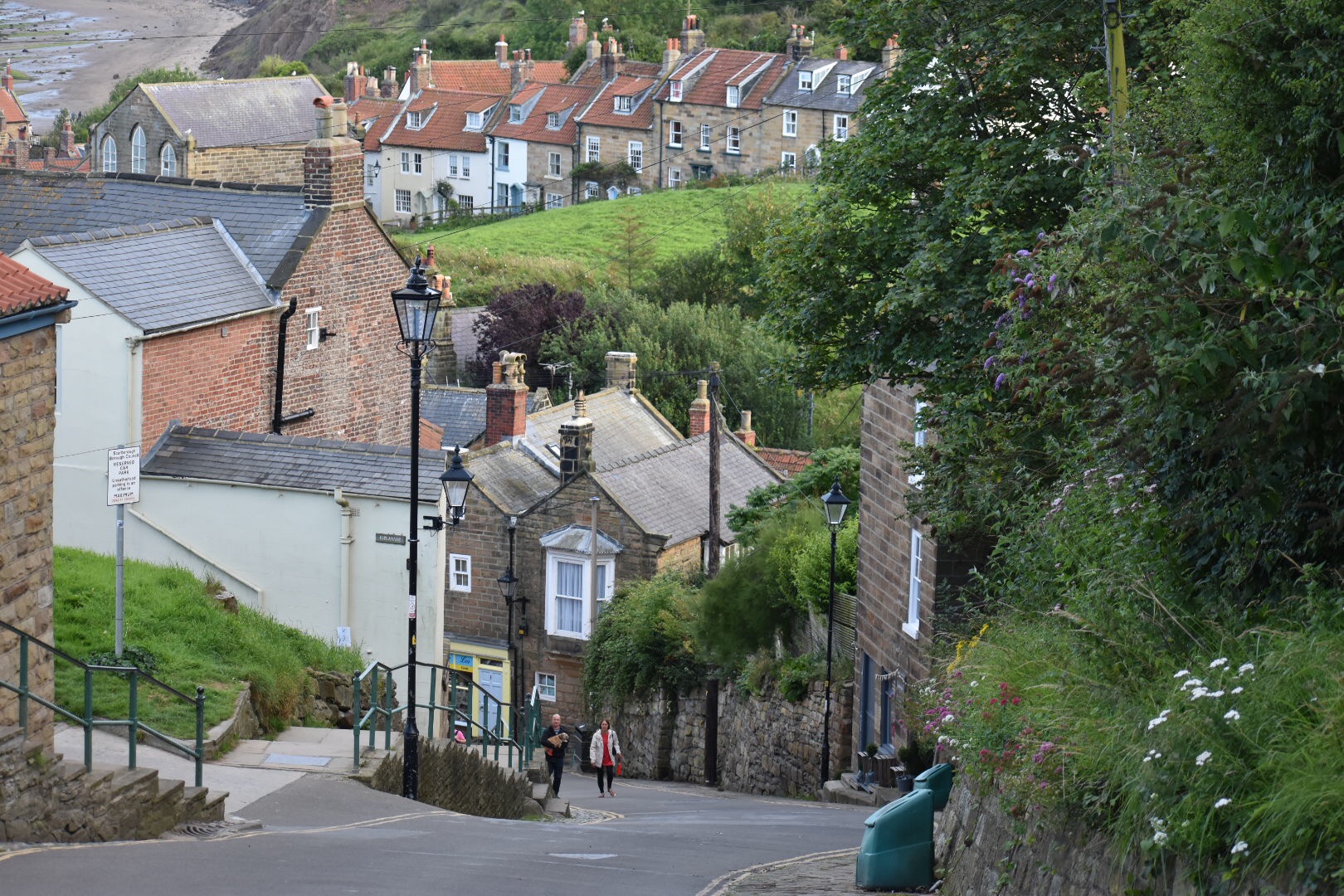
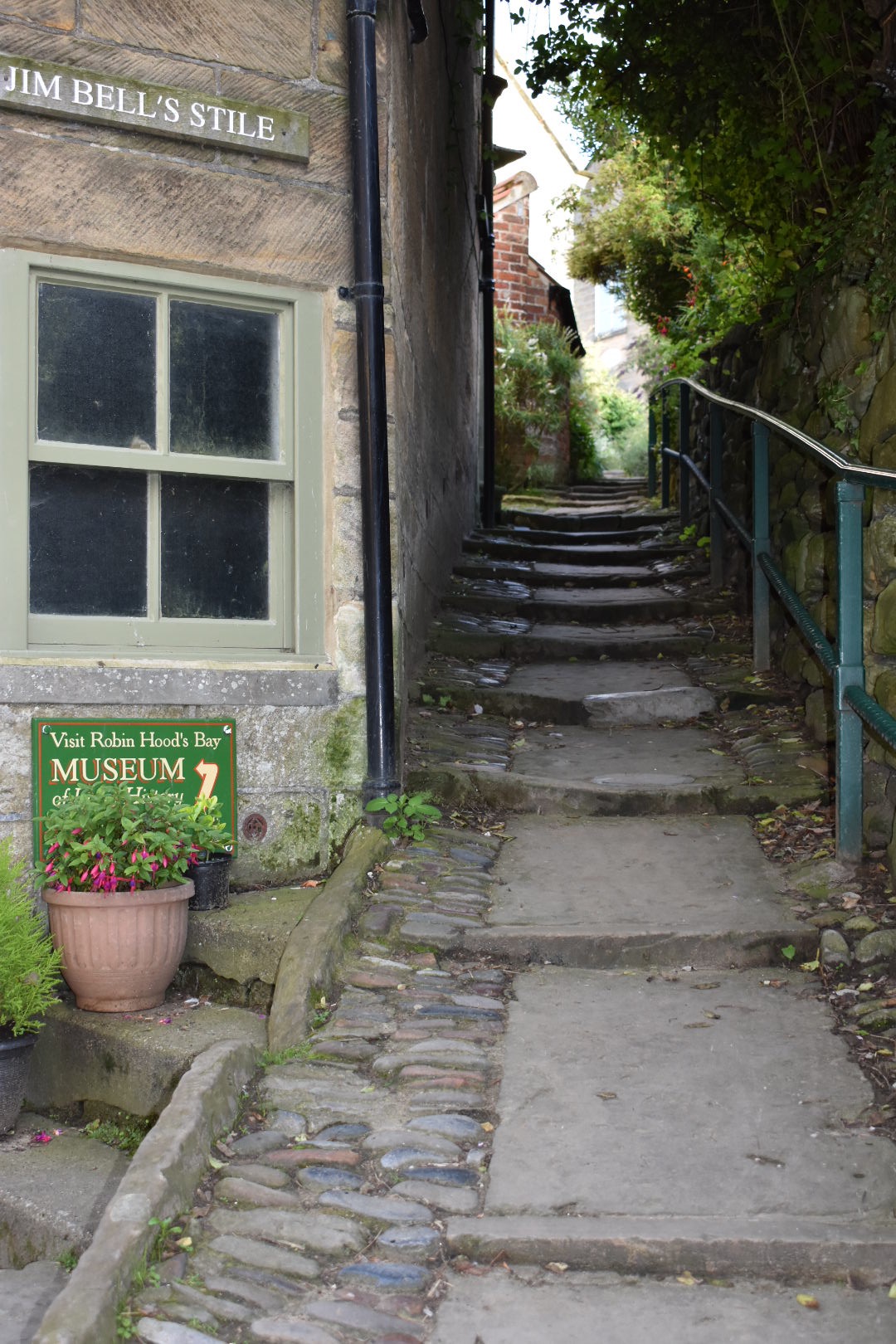
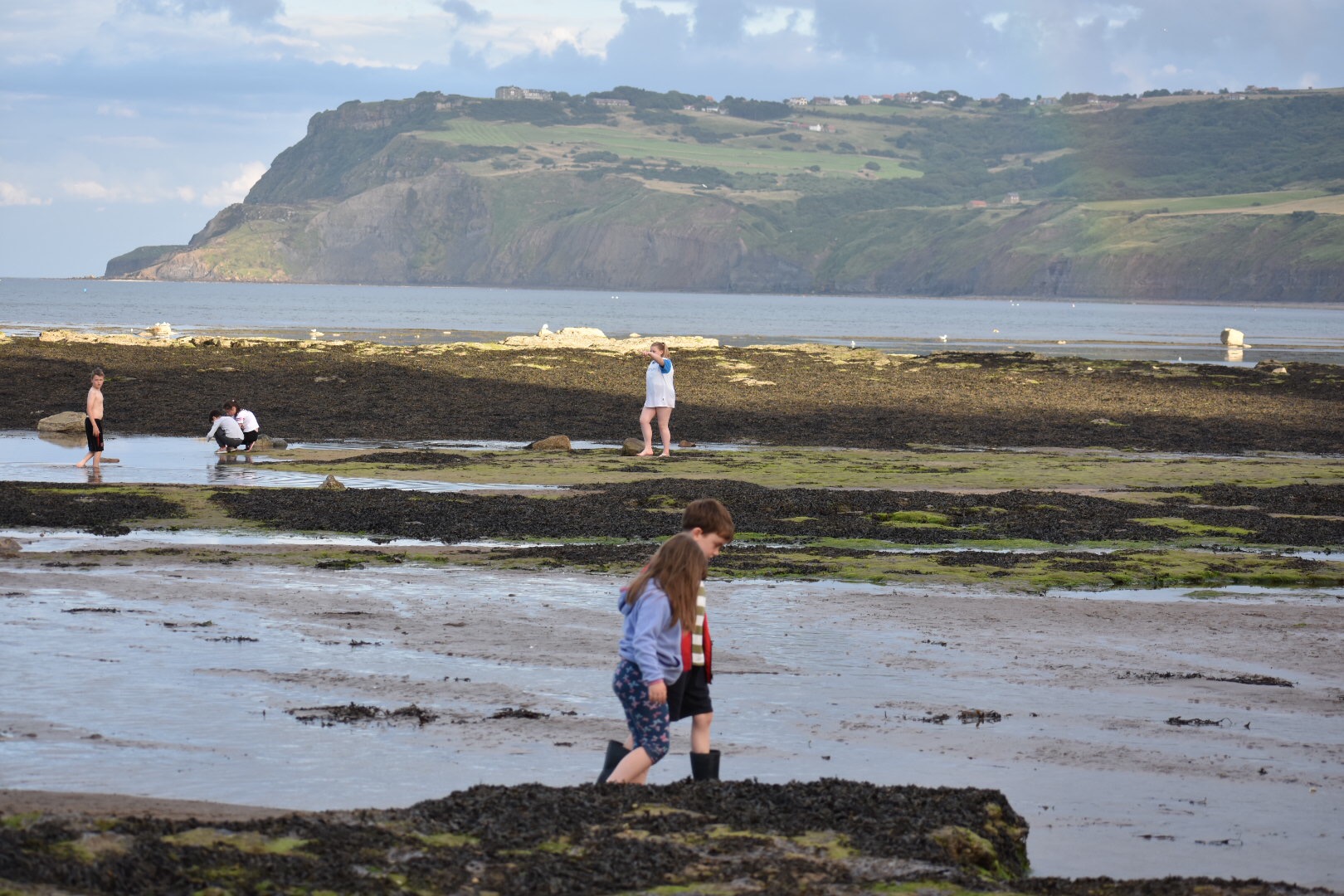
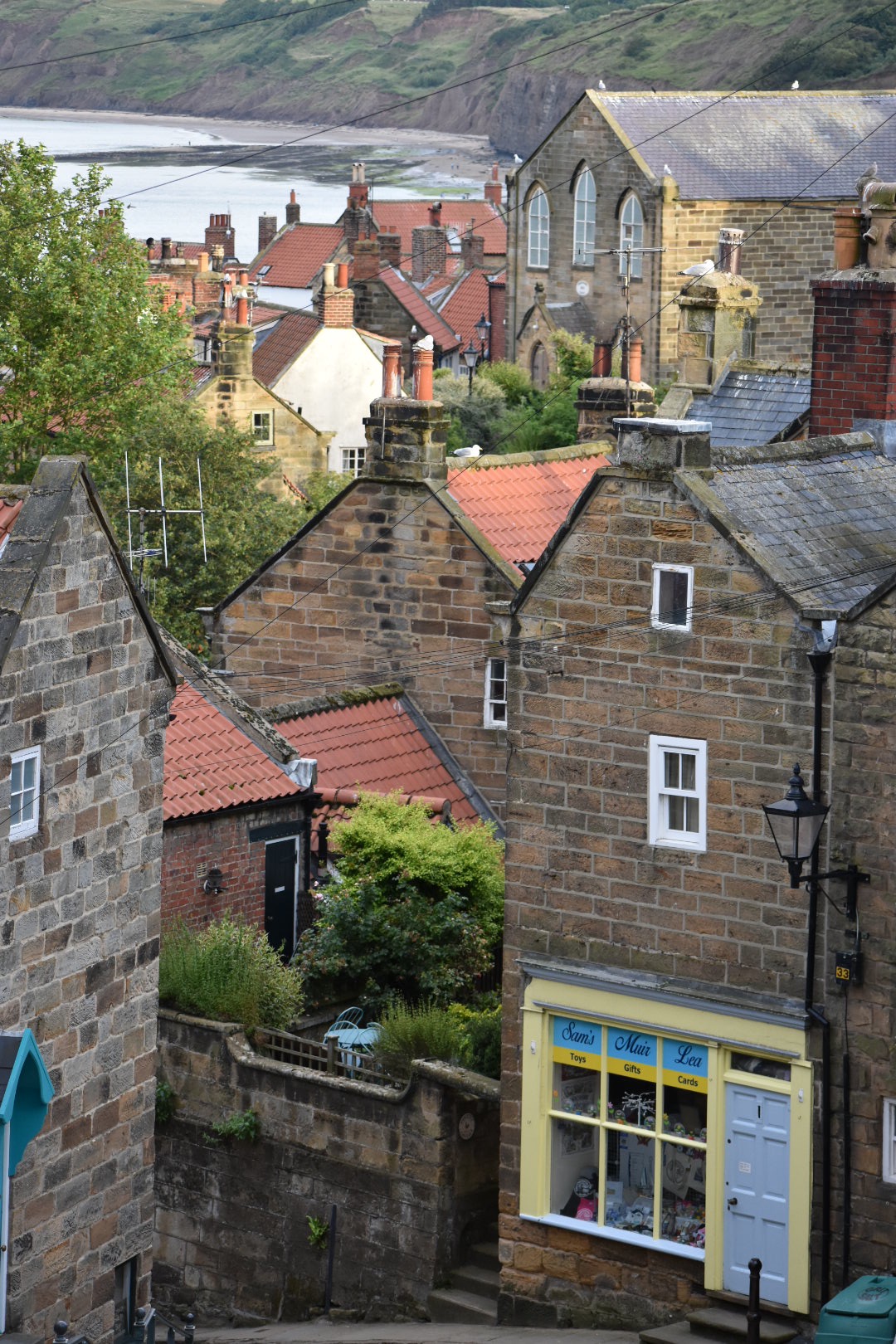
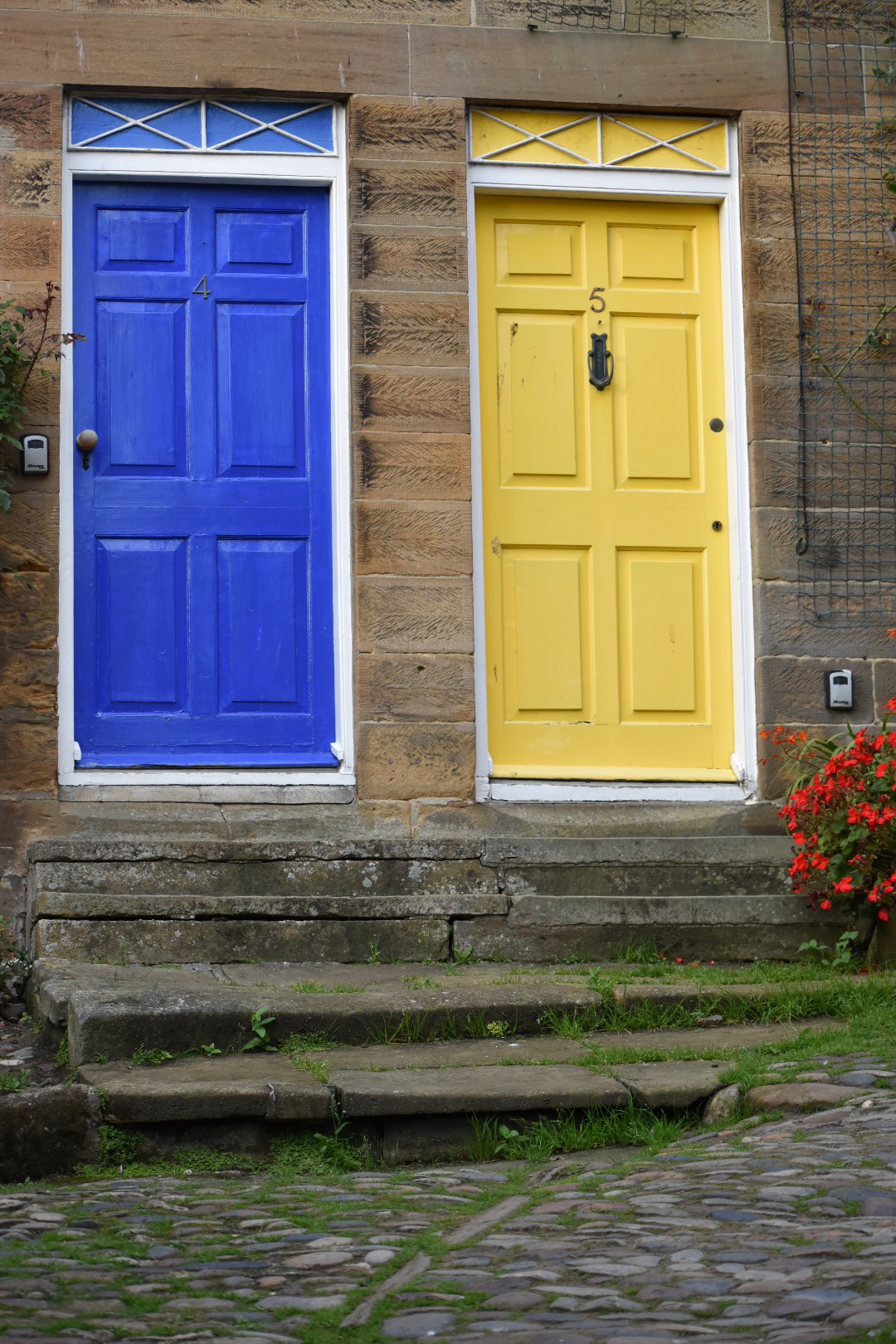
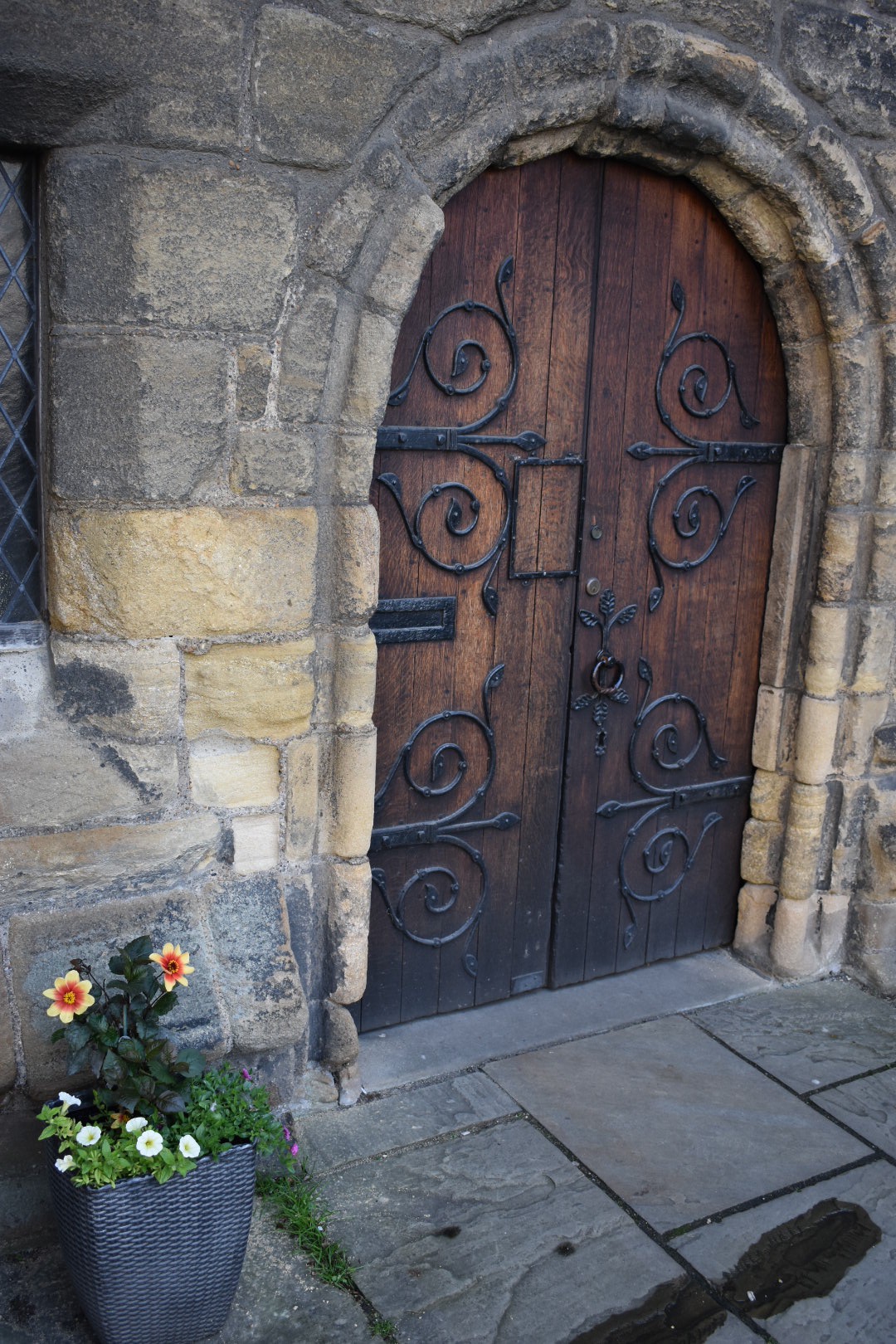
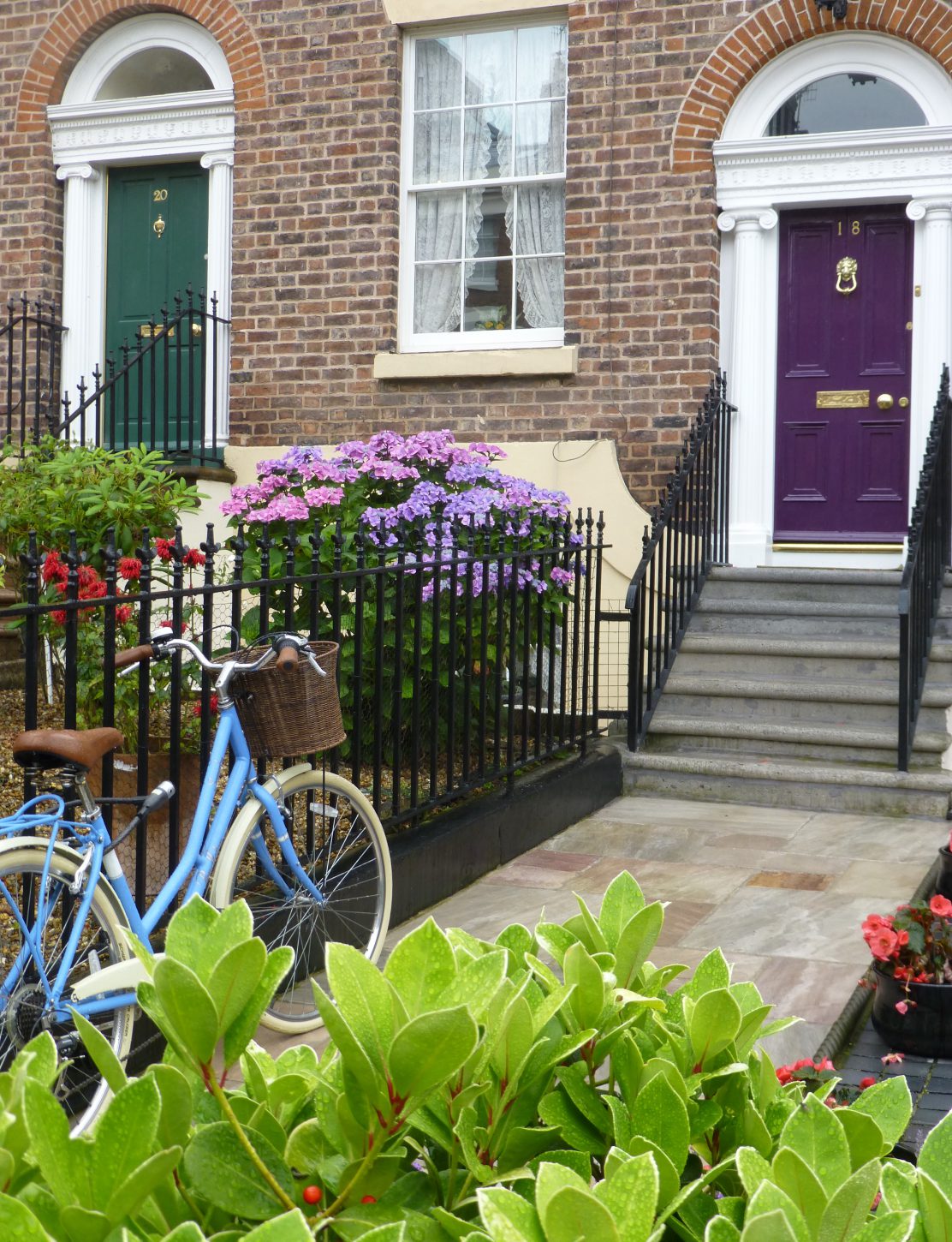
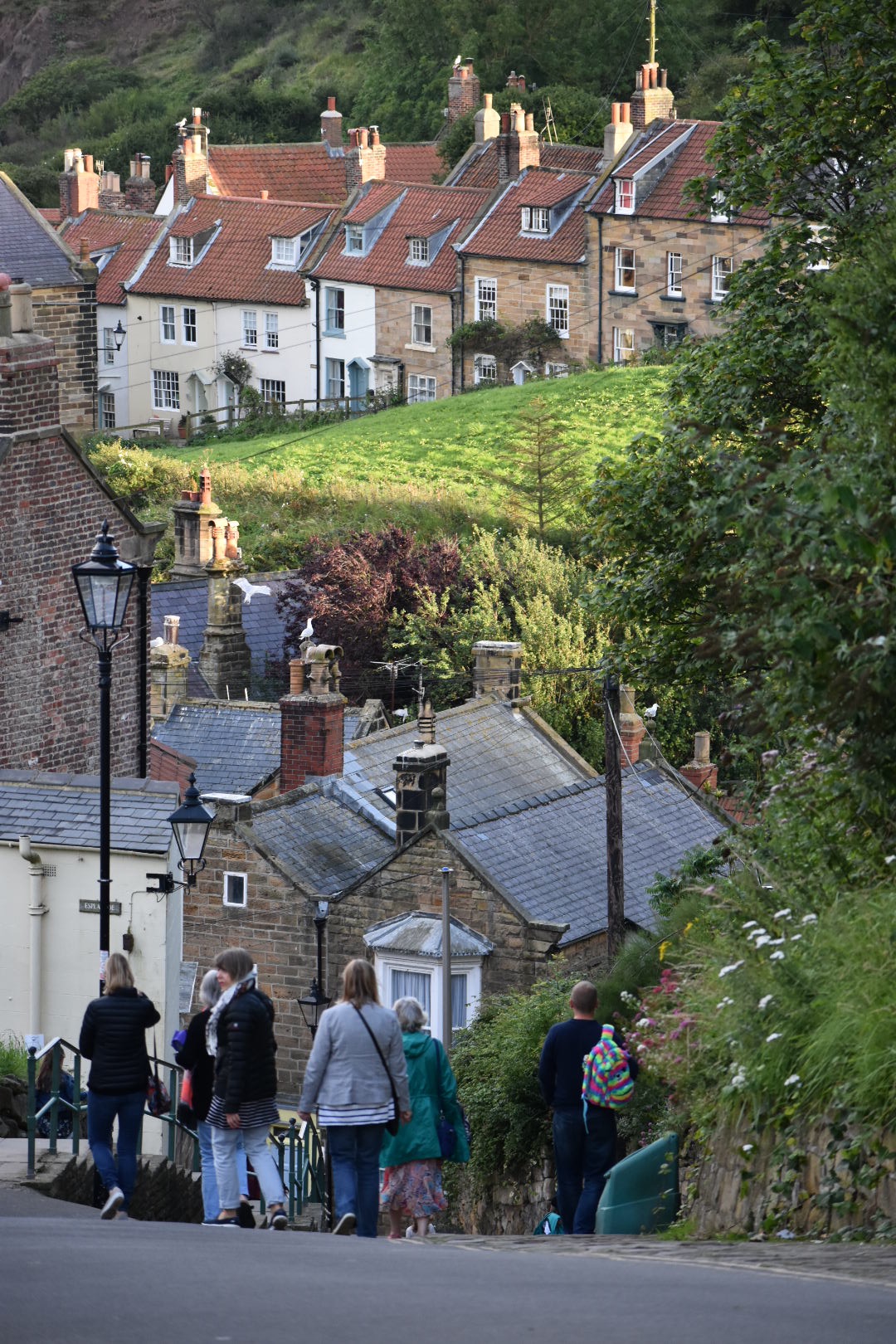
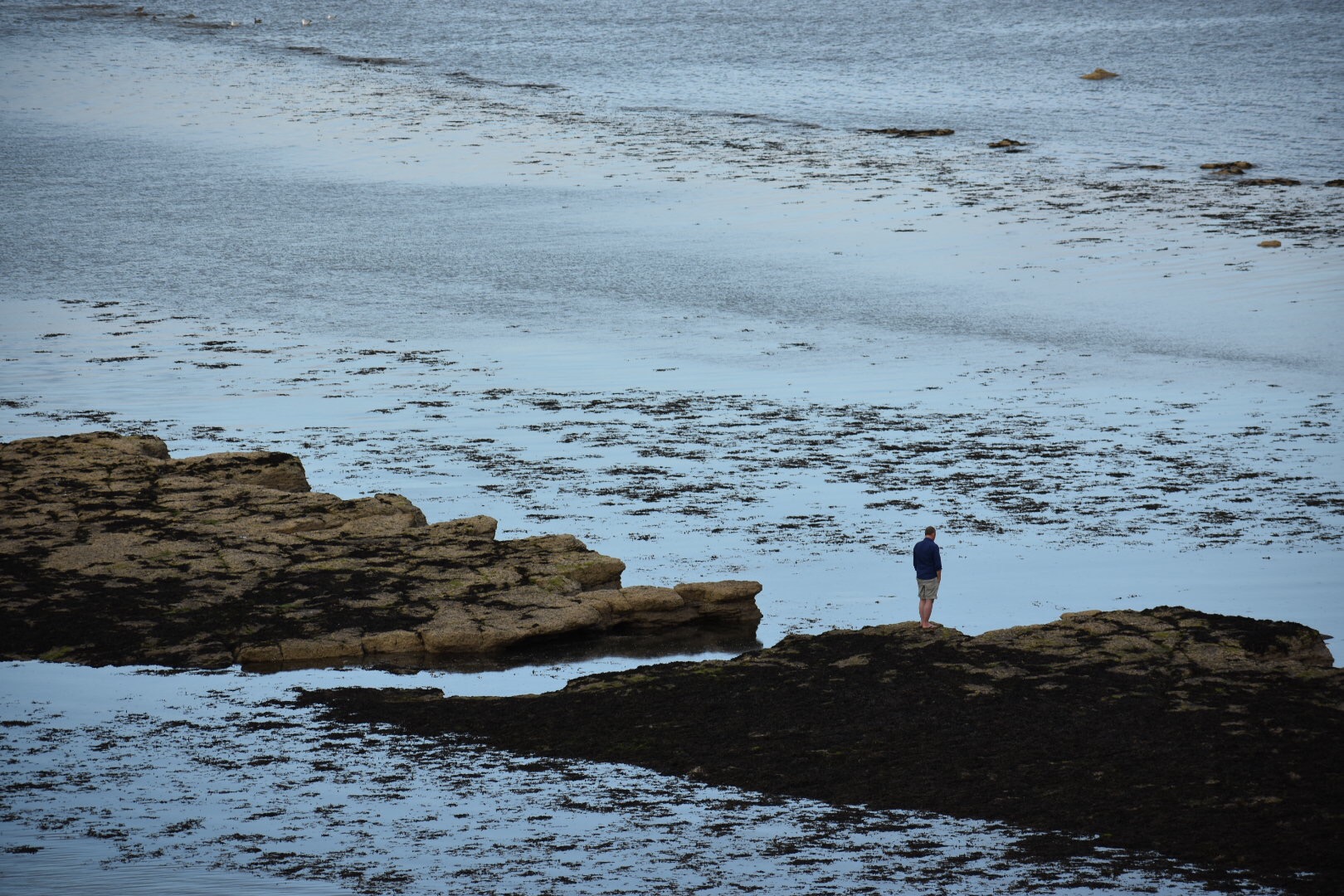
Following the coast on our way back to Whitby we stopped at Robin Hood’s Bay.  To get to the waterfront you follow a steep winding road on foot through a pretty seaside village with tiny stone houses with brightly painted doors. Arriving at the beach, we walked out on a rock shelf which is only exposed when the tide is out. Ancient fossils have been found in these rocks. It was such a  pretty place to stop to appreciate the beauty of nature.


No trip to Whitby is complete without eating fish and chips. The locals recommended Trenchers and it did not disappoint. We ordered a small portion. It was haddock fresh from the sea with hand cut chips (fries) and “mushy peas” (pronounced with a long u). It was delicious. It was a great ending to a fun and busy day.


 A Moving Evensong and a Rustic Yorkshire Port


This morning as we were checking out of our hotel, I noticed their enormous solar panel mounted on a pedestal automatically adjusts itself nonstop to face the direction of the sun. The hotel has won many awards for being green.

 Thankfully for us, the weather predicted for today was sunny spells so off we sped for a day of exploration.


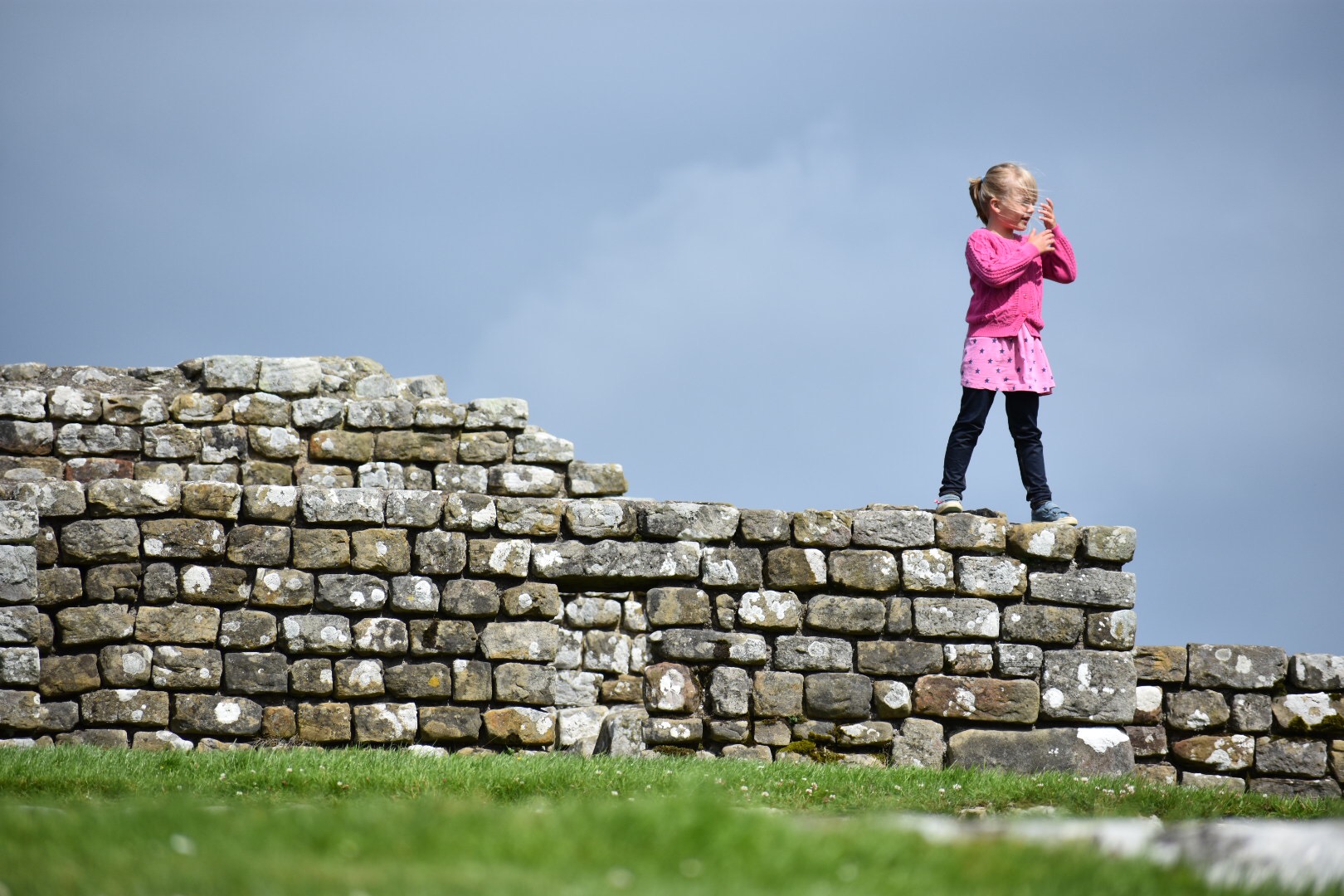
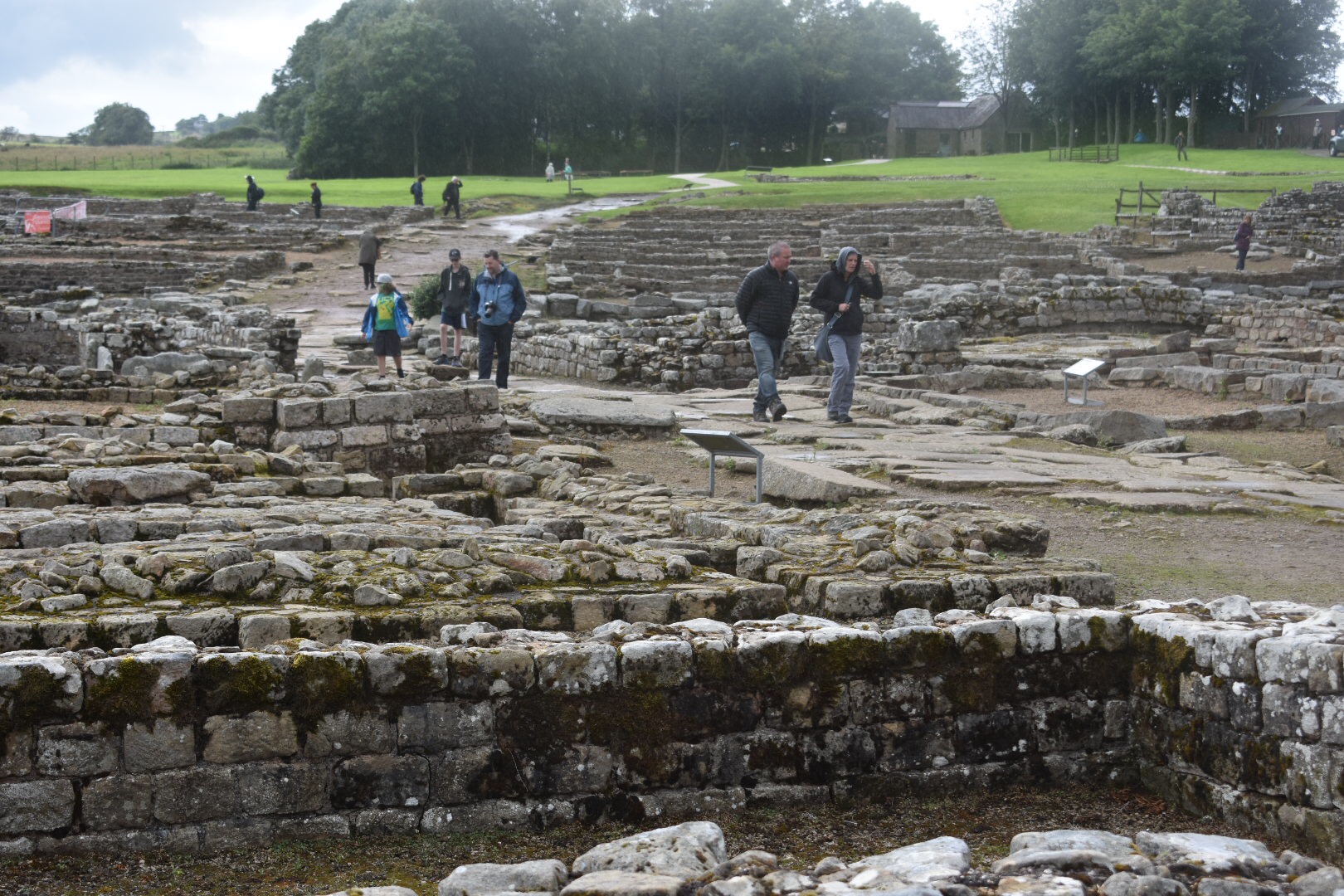
About 20 minutes from the hotel is Housesteads. It’s the ruins of an ancient Roman fort built before Hadrian’s Wall. From the parking lot it was a steep mile hike up hill, but the views from the top over the sweeping countryside were amazing. Beside the stone foundation of each house was a description and picture of what the structure probably looked like. There was evidence of plumbing and even heating under the floors.


We headed next to Durham which is a university town with an enormous cathedral. In the city center we took a wrong turn and somehow ended up on a one lane street full of shops and bustling with people: a pedestrian only zone with no place to turn around.  We hoped the exit was just ahead, but instead we came to a dead end. With barely any room to turn around we had to drive back through the pedestrian zone as people scrambled out of the way. It’s at times like this when you want to duck down and hide, but amazingly no one seemed to mind. 


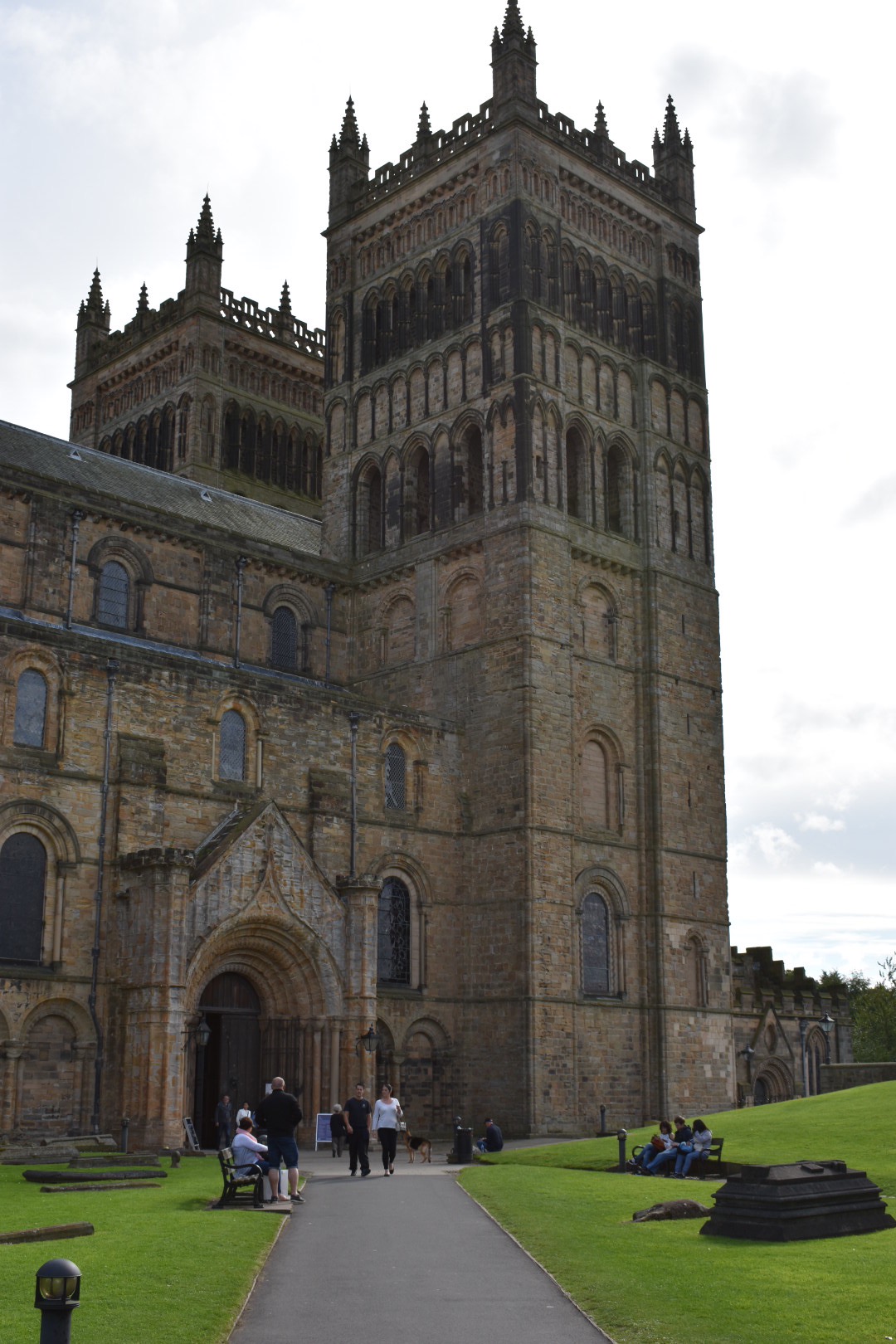
Durham Cathedral was built over the tomb of Saint Cuthbert who was responsible for helping England obtain a stronghold in Christianity.  We arrived in time for Evensong and the singing was moving  and beautiful. It turns out that in the summer, their own choirs are on vacation so visiting choirs are featured. The one we heard was from Texas. The service ended with organ music which I love to hear.  We met a guide who took us on a private tour showing us some of the ancient stonework, the cloisters, and the stained glass windows. He explained that no photos are allowed and that you must look and enjoy only with your eyes.

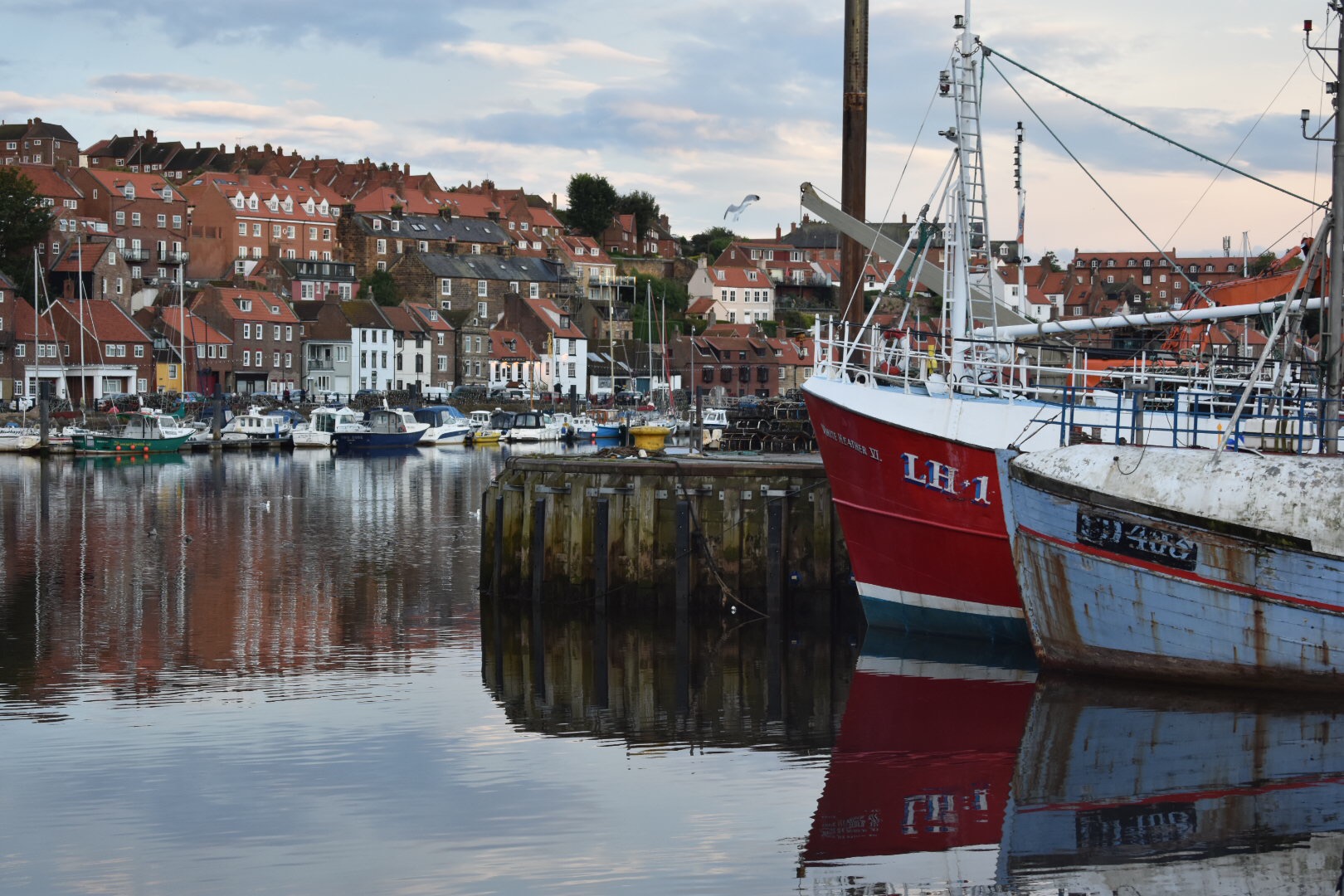
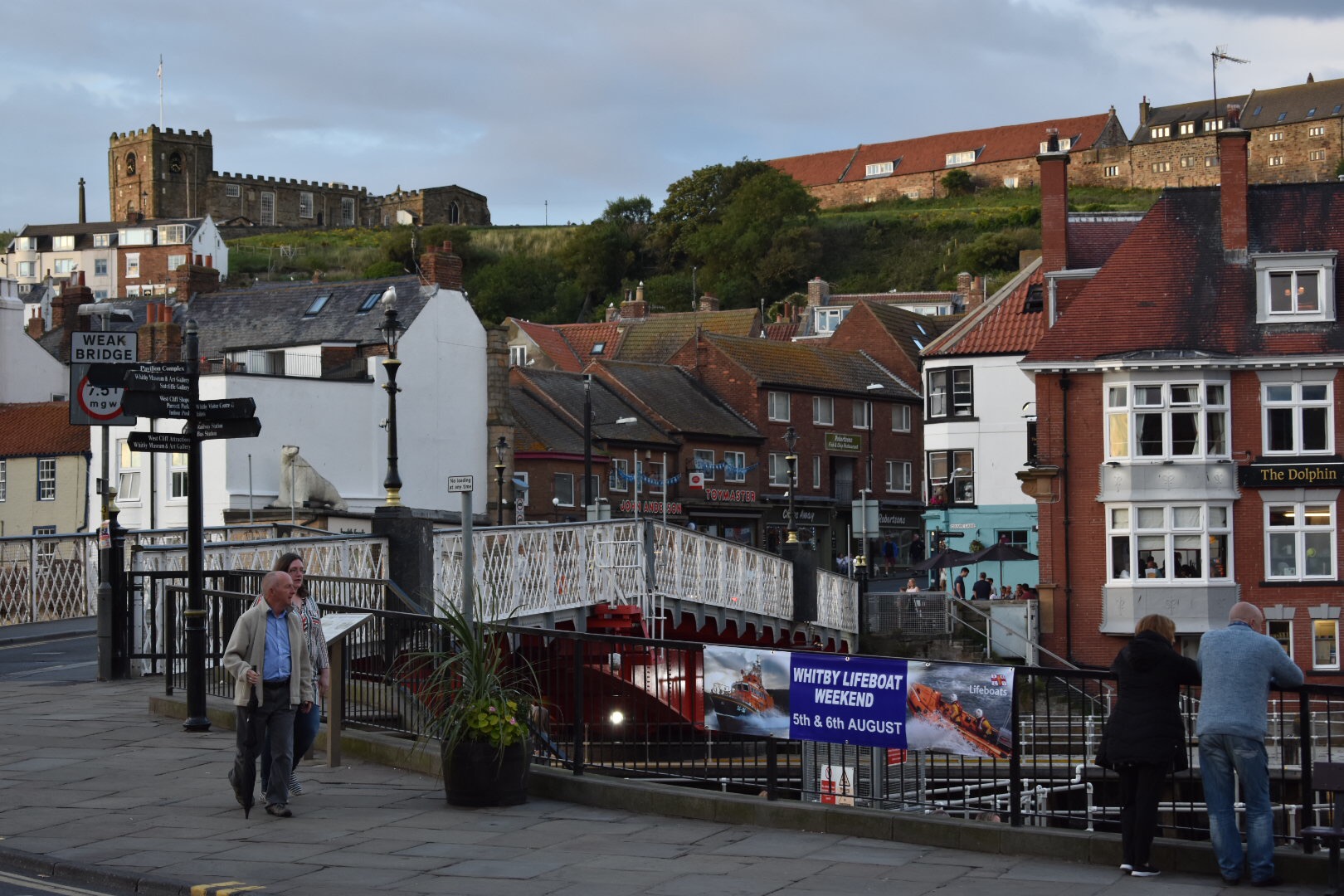
We are staying for the next three days in Whitby on the northern Yorkshire coast. It has a fun family seaside vibe with arcades, kids jumping in the harbor, fishing boats, and fish and chips. Tonight we can hear flocks of seagulls from our harborside hotel. I look forward to checking it out tomorrow.


Beamish: A British Time Machine


Have you heard the old weather folklore that if the cows are all sitting down in a field it means it’s going to rain? From my experience I think it’s true, but today we noticed that in every field, half the cows were sitting and the rest were standing. Turns out those standing were right. It was a beautiful warm sunny day here today I’m the U.K.

We started our day with a trip to Hexham Abbey. A kind steward gave us a tour and showed us how long ago, those who built the church used many of the stones from the Roman ruins. As a result it was interesting to see ornate Roman stonework combined with plain stone from a local quarry. We learned about how the church had been pilfered several times, even as far back as the Vikings, but many of the original artifacts remain. Down a set of steep stone steps was a crypt dating back to the 7th century. Long ago it was ornately decorated with gold and jewels, but today only the stones remain. 

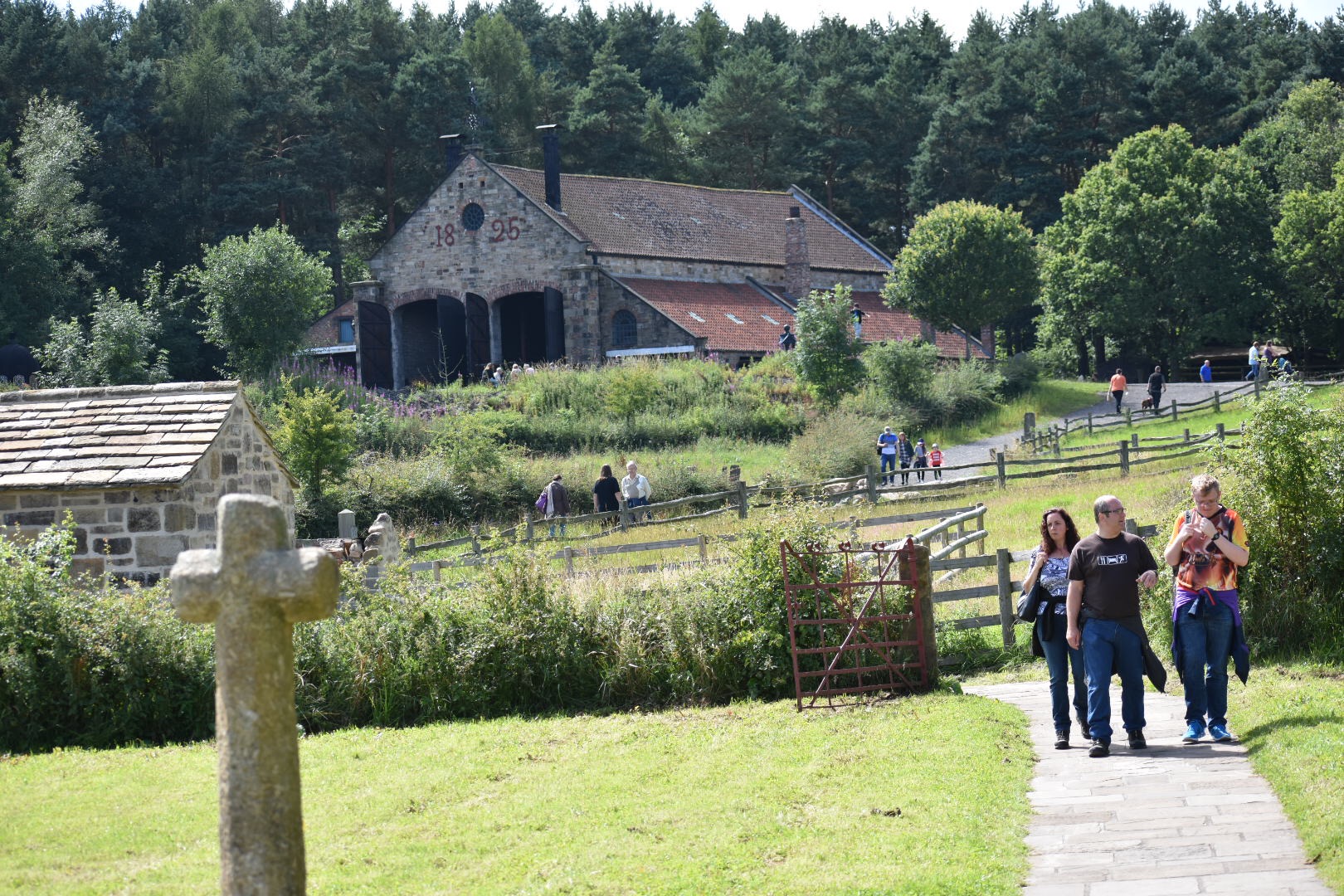
Since it was a sunny day, we headed to Beamish, a folk park which is known as the living museum of the north. Covering over 300 acres, it is divided into four time periods. FIrst we visited an area from the 1900s known as Pit village. It featured an old coal mine you could actually visit wearing a hard hat.  We didn’t go in it, but we were able to tour the area where young children once sorted coal. 


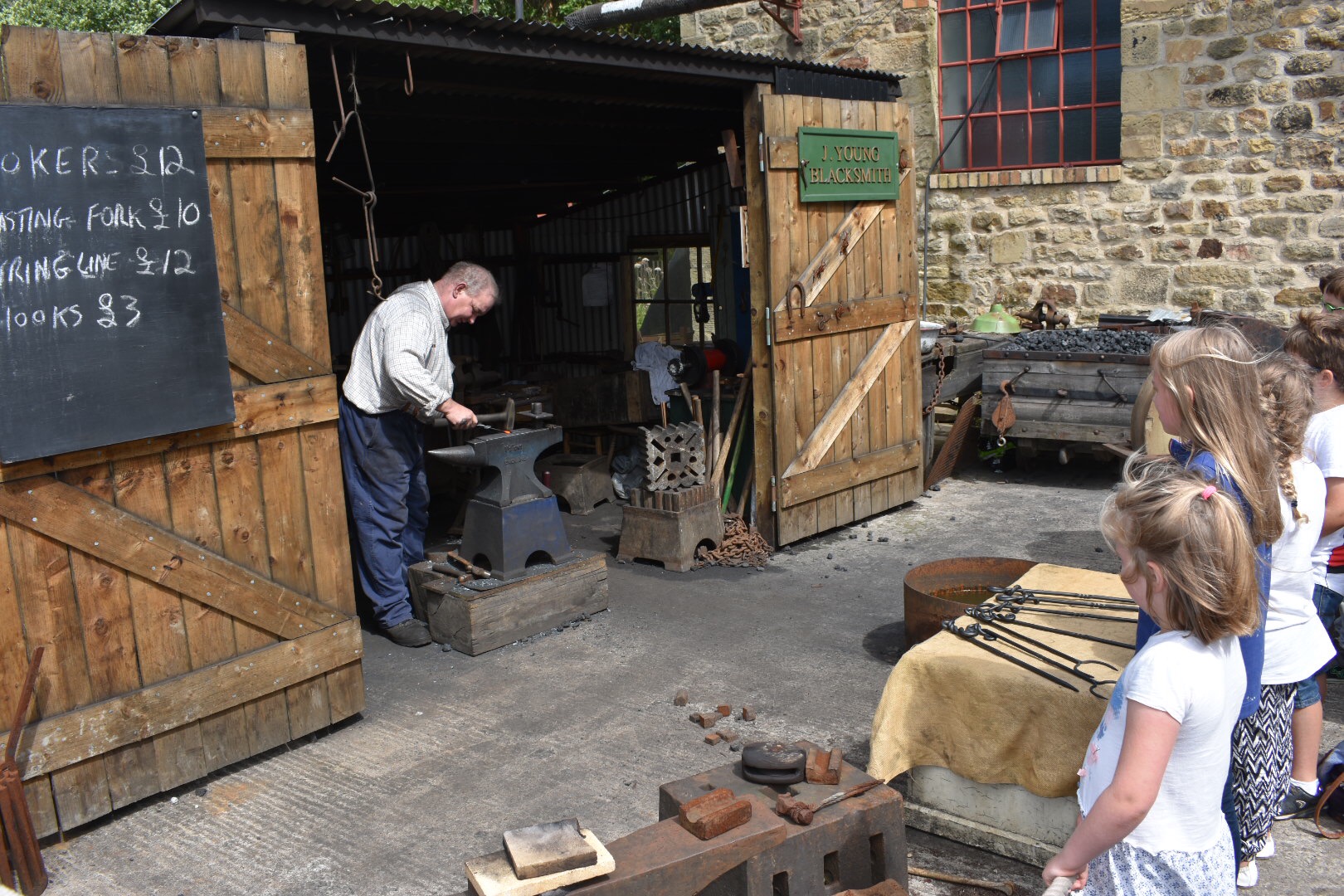
While watching a blacksmith create hooks and toasting forks, the smell of fish and chips filled the air. It smelled delicious and we were anxious to try it, but it looked like a 45 minute wait so we reluctantly moved on.


The 1820s village featured a replica of an old passenger train pulled by a steam operated engine. Men in period costumes fed it coal and everyone got a five minute bumpy ride on it.

Up a winding path was a 1940s farm. With horses and pigs, it was a pretty pastoral scene. In the farmhouse I tried some homemade bread with raspberry jam that was incredible.


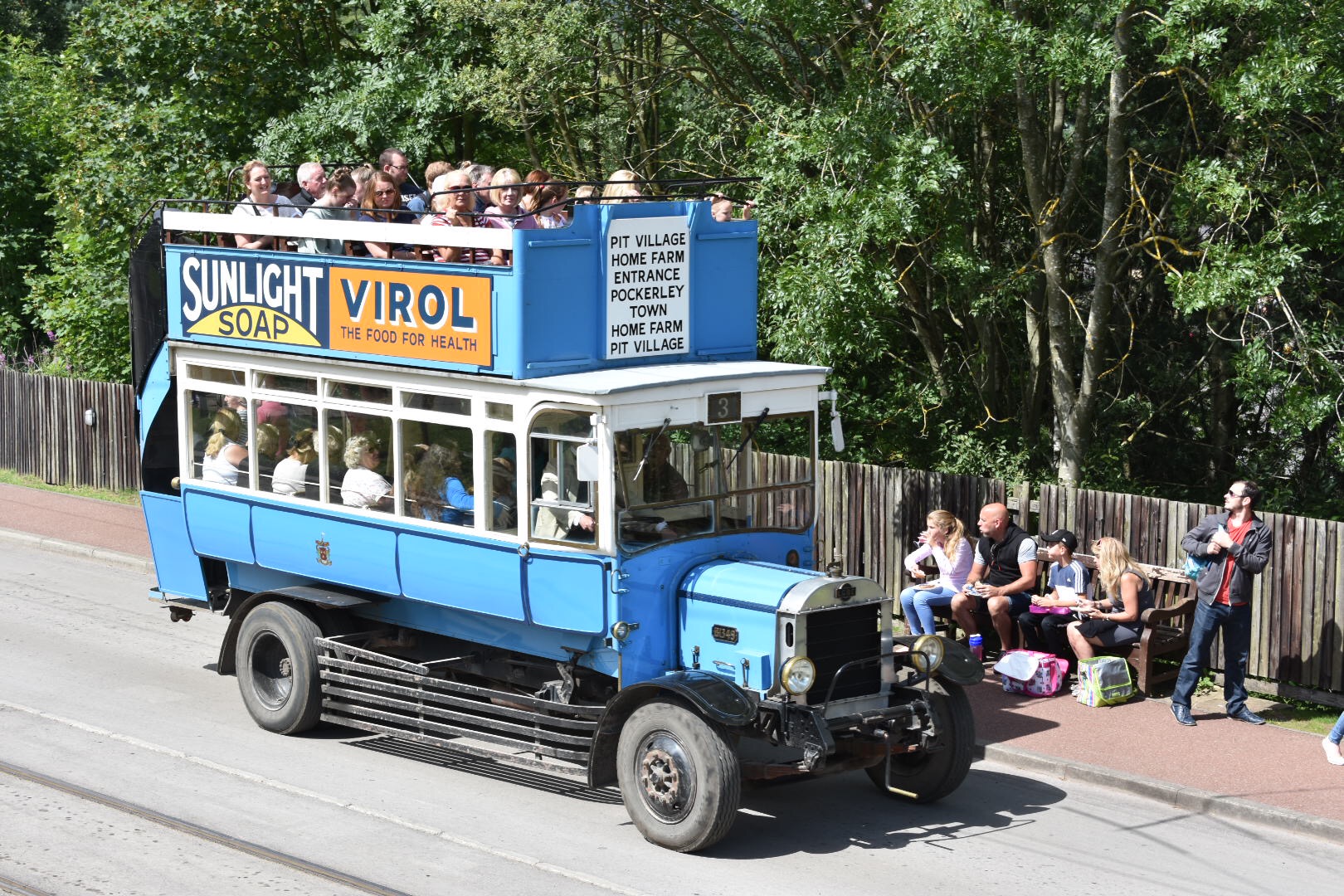
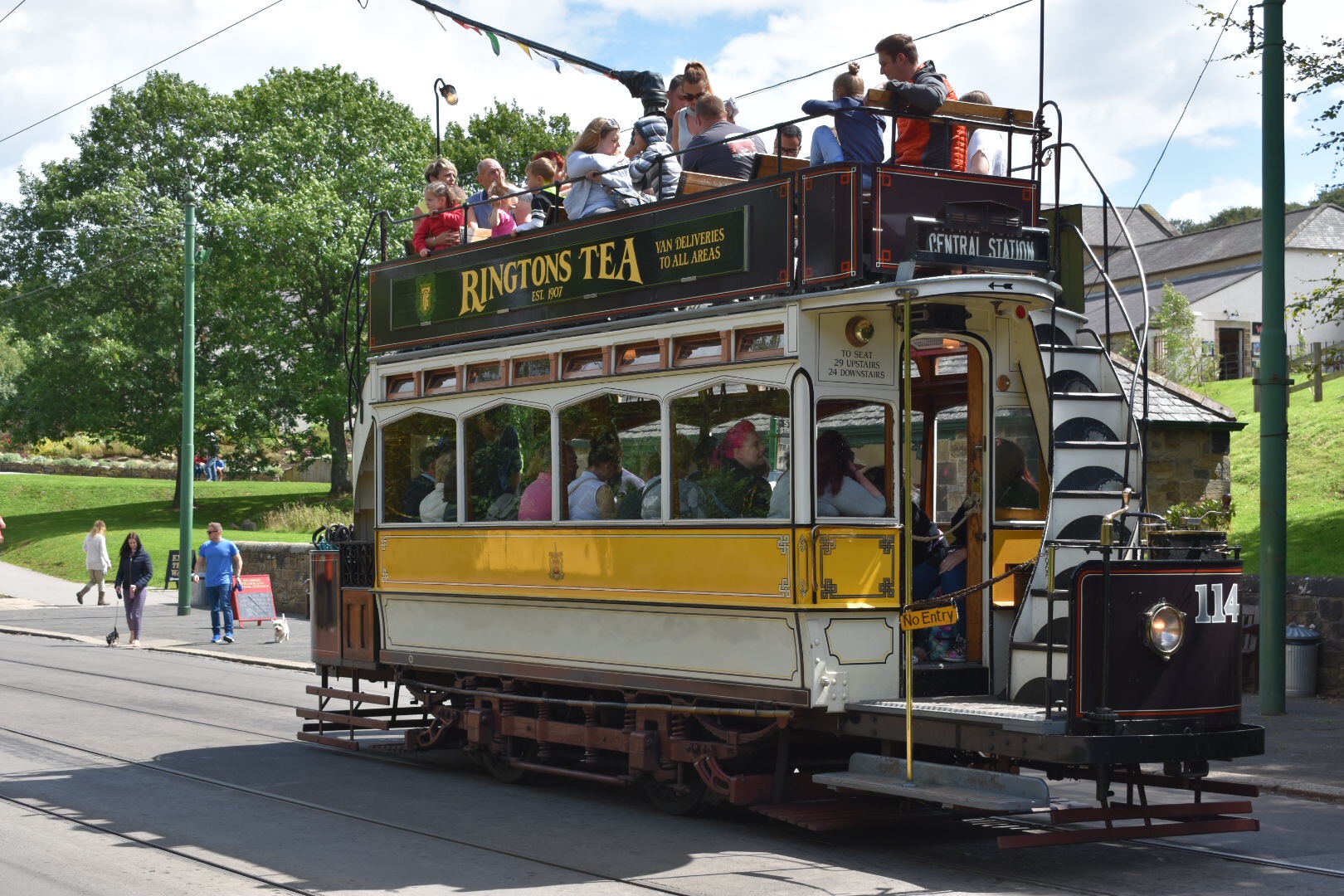
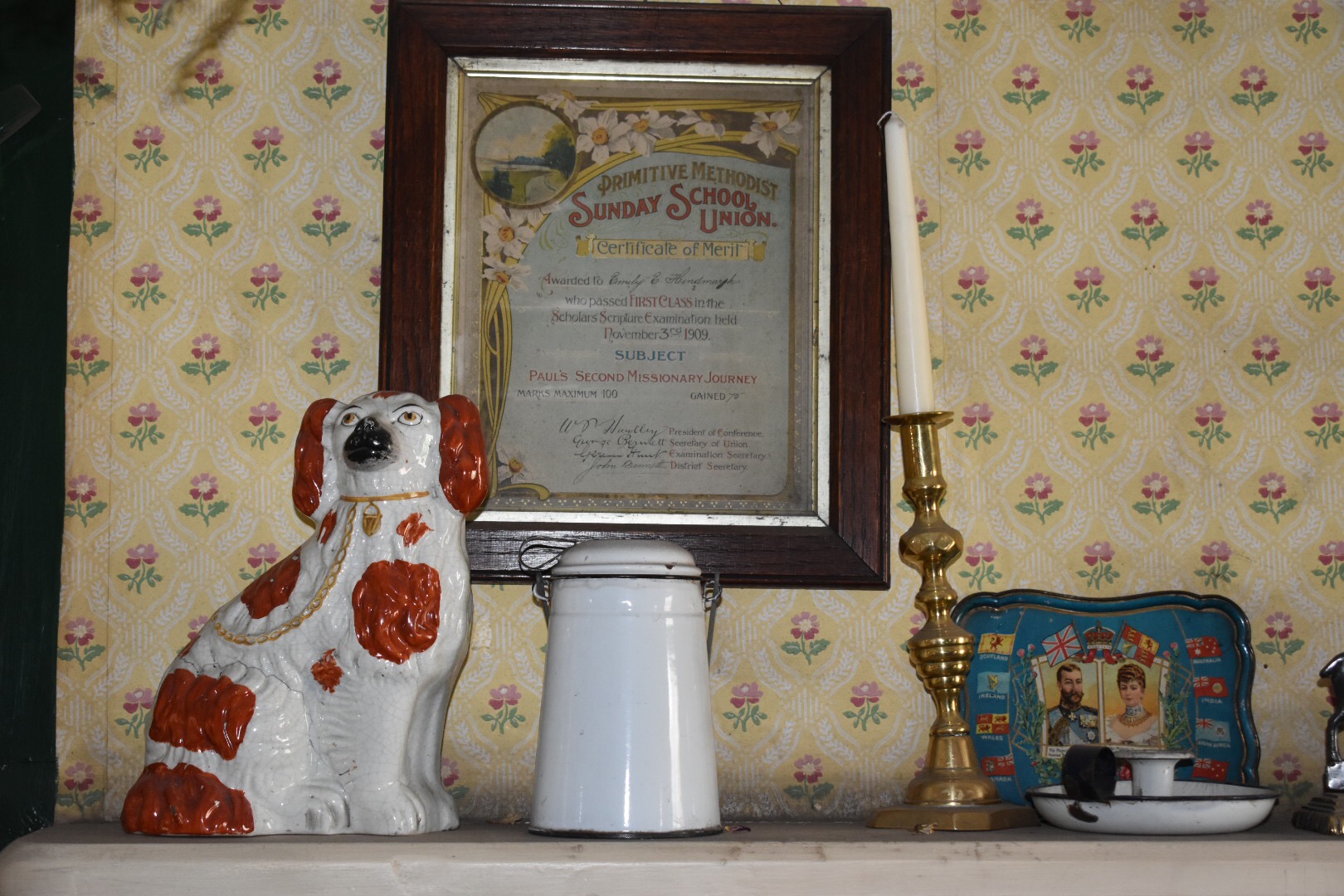
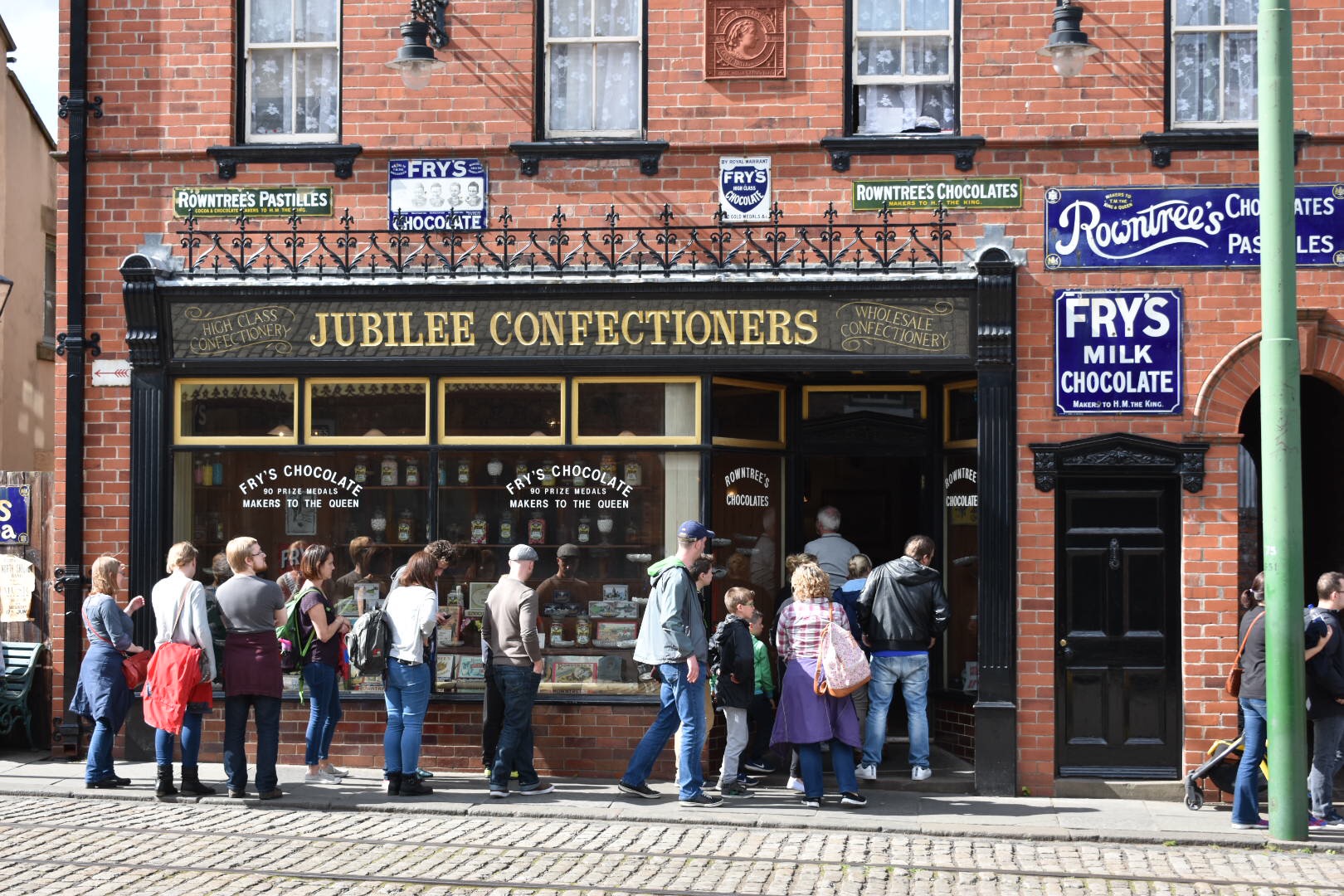
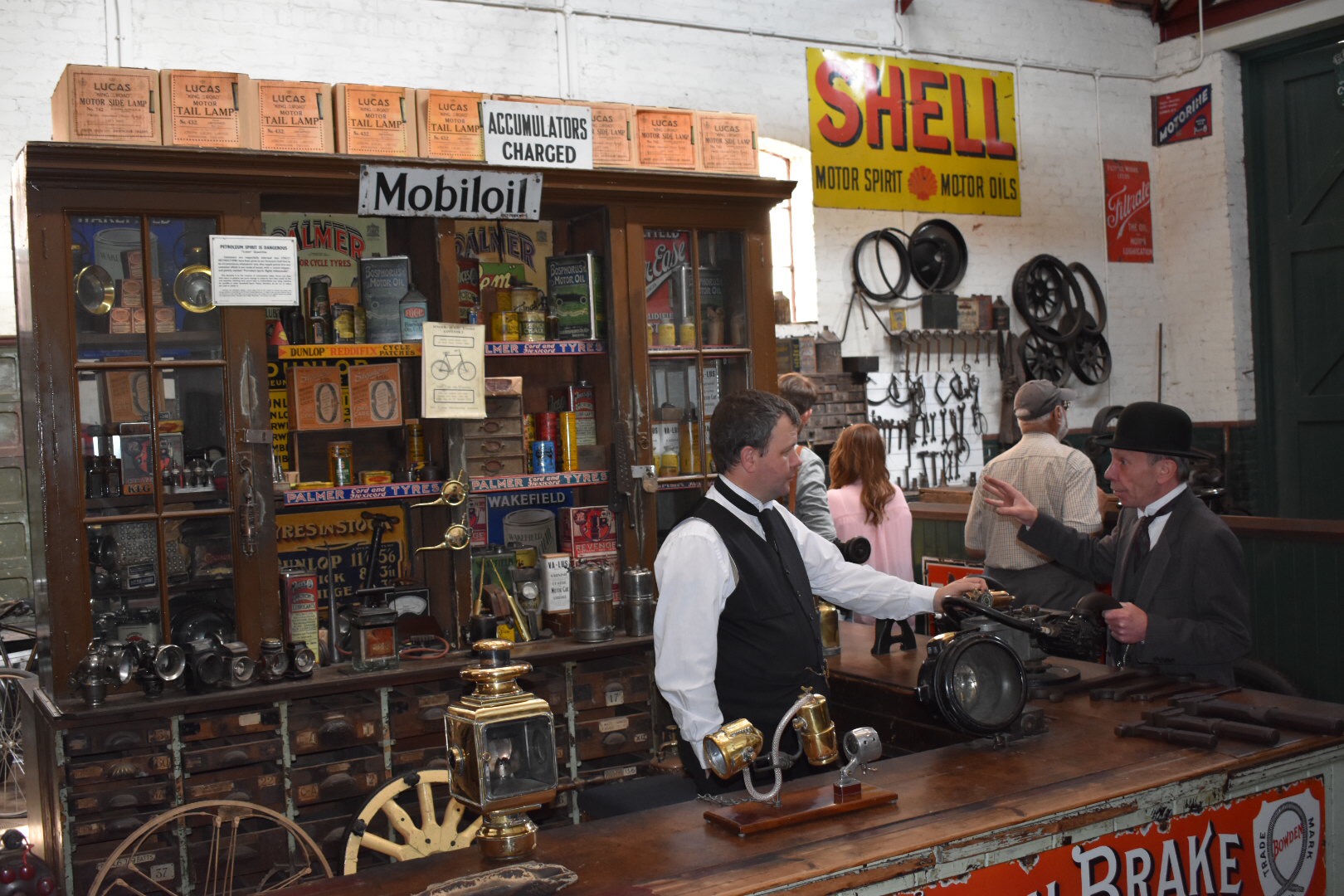
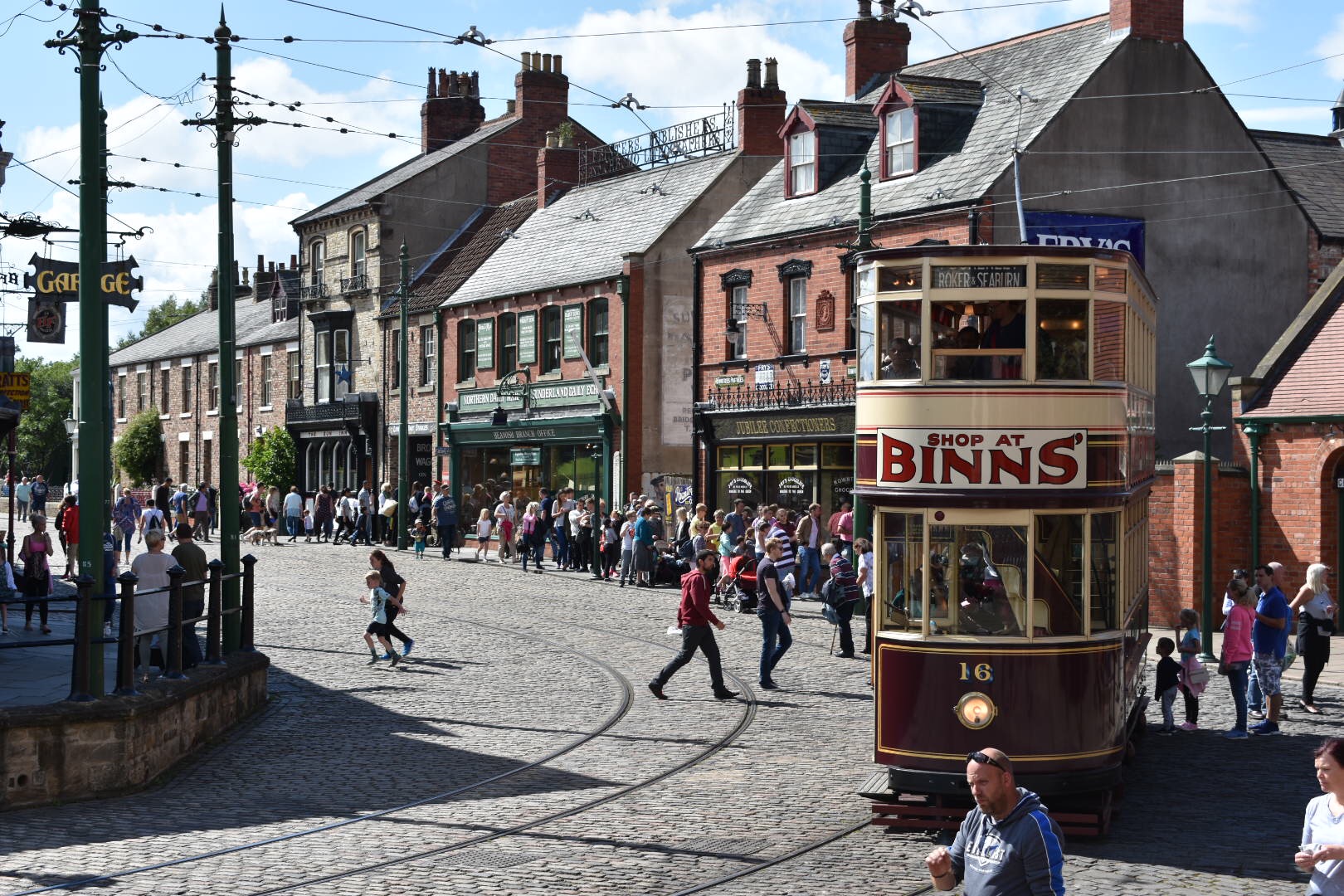
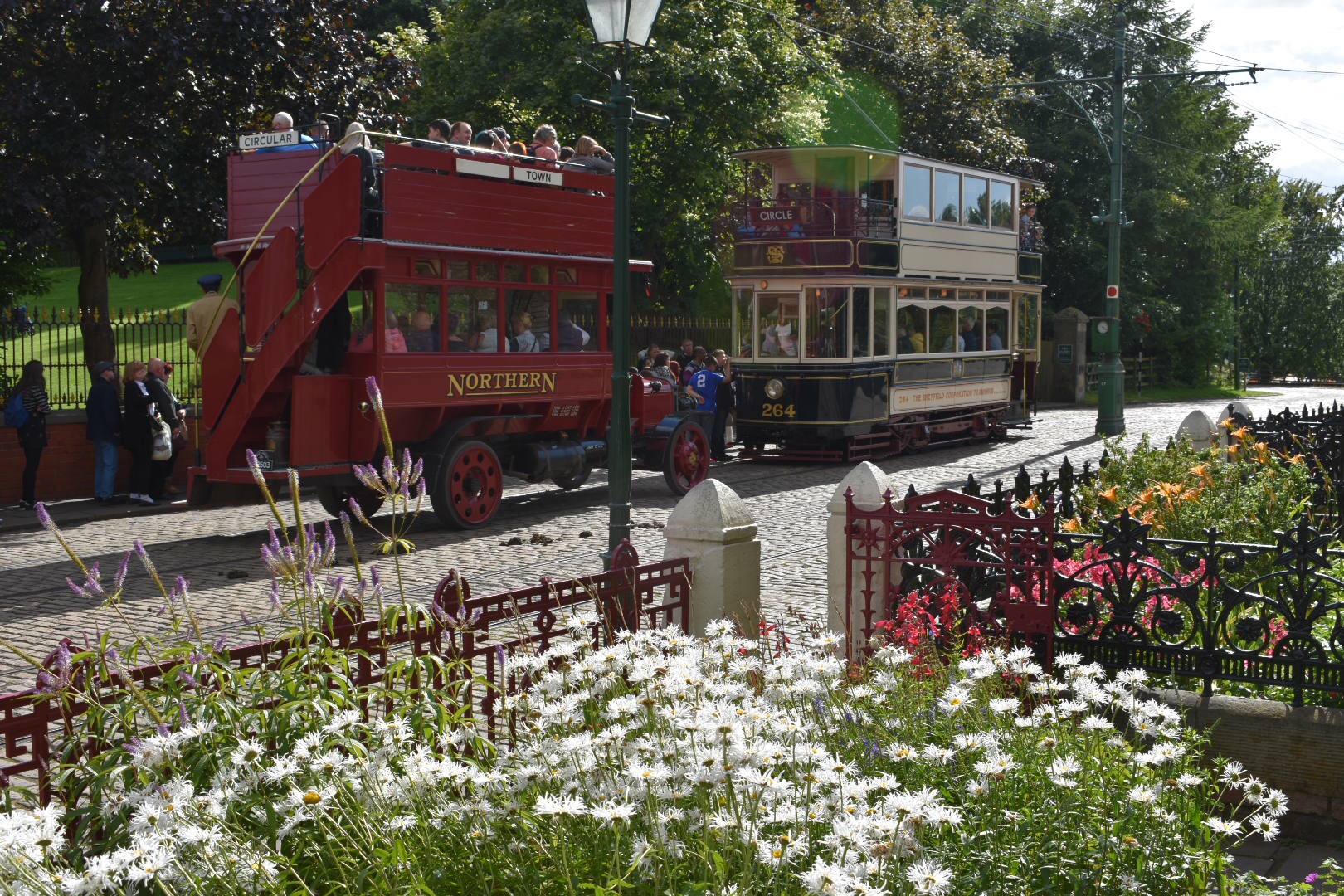
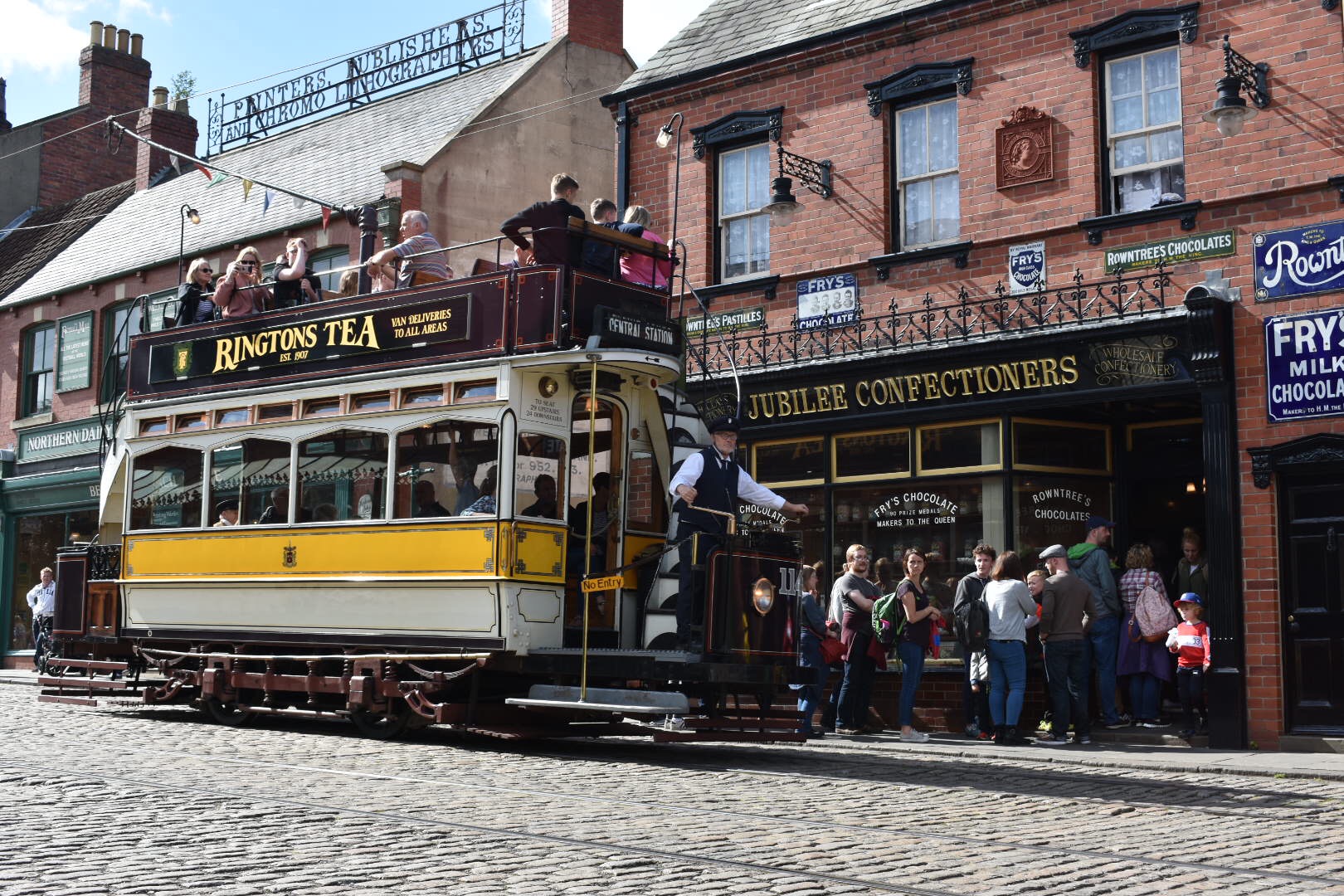
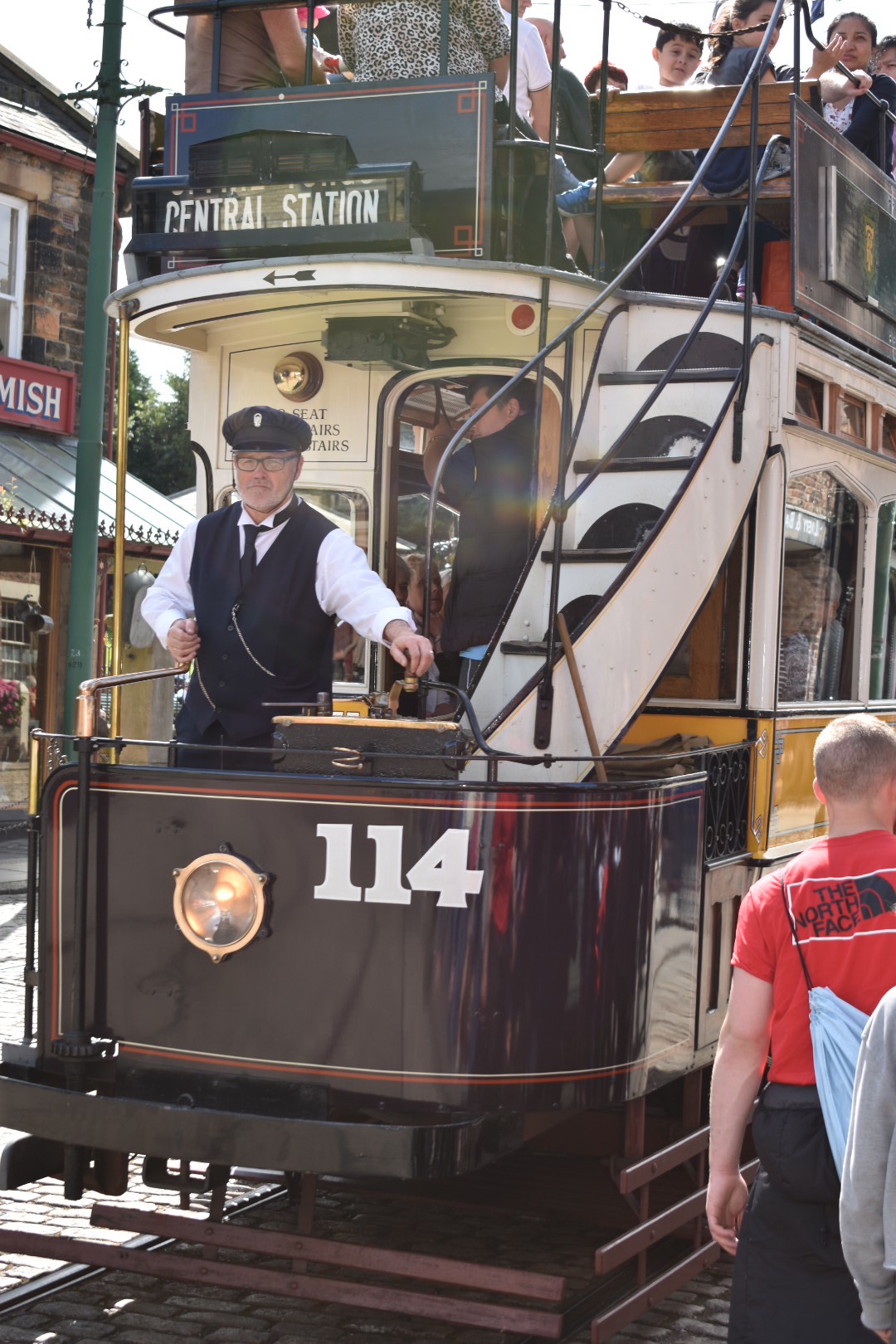
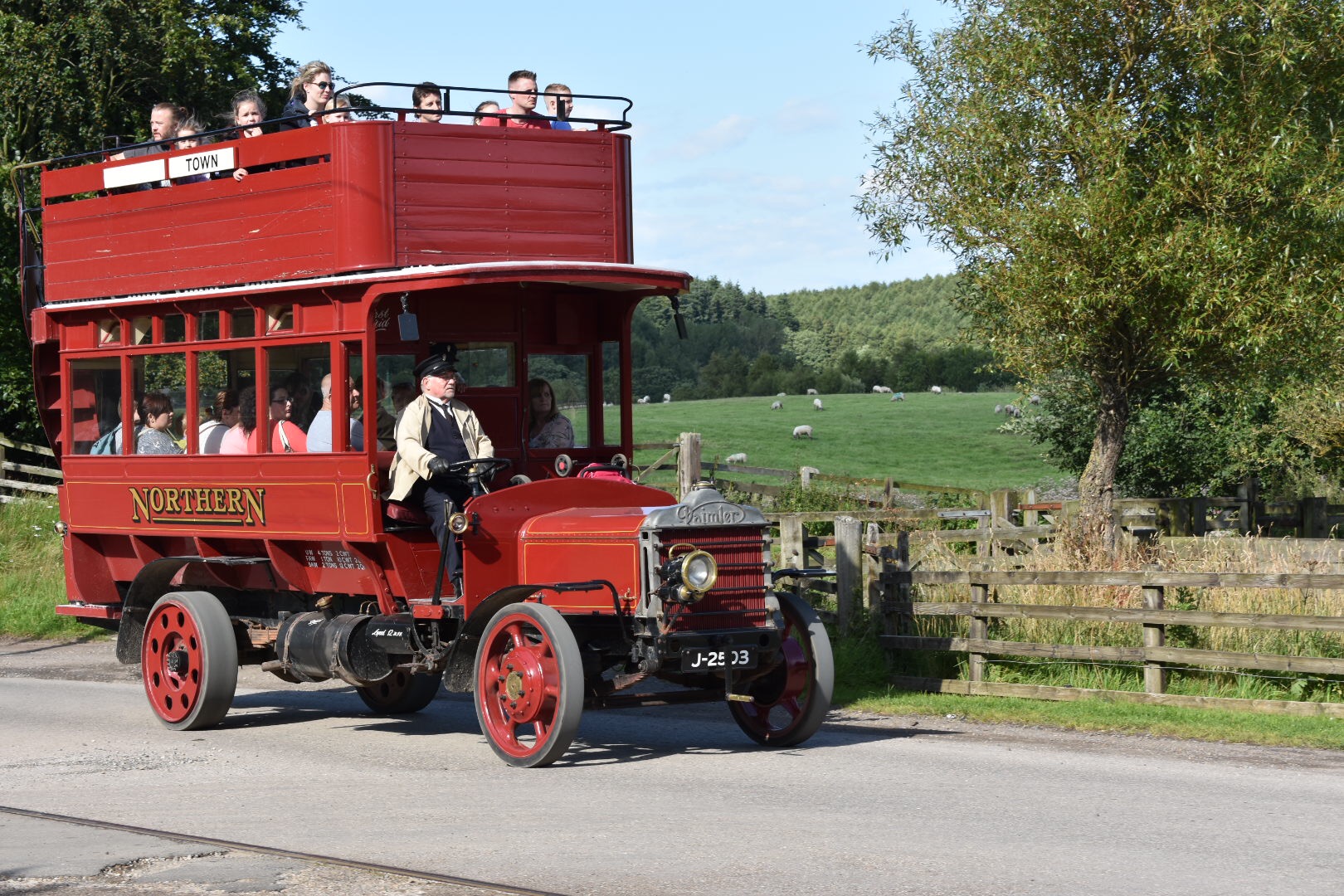
Our favorite part of the folkpark was a 1900s town with stores and businesses from that time period. To get there people hopped on  beautifully restored buses and trolleys, all driven by people dressed in period costume. After looking at old Raleigh bicycles, we tried some fresh gingerbread and lemon shortbread made right on the premises. The queue for the chocolate shop was never ending and people emerged from the shop with bulging bags of candy. Anticipating mouthwatering chocolates, I waited in the sun for 30 minutes but when it was my time to order, I realized the shop was primarily gummies, fireballs, and candies similar to those orange American peanut shaped candies made with fake marshmallow. There was  barely a chocolate in sight.  The whole process reminded me of an old Seinfeld episode. You were expected to quickly rattle off your order yet there was absolutely nothing I wanted until I thankfully saw a sign that said fudge,   “I’ll have two pieces of fudge,” I said.  “NO!” The guy replied. “That is not how we do it. It is four pieces or nothing!” so I bought four pieces.  I was optimistic though and anticipated rich gooey fudge but when David and I took a bite, we both agreed it was a glorified Tootsie Roll and we gave it a secret thumbs down.


After all those sweets, the people long ago would have needed a dentist. We visited the dentist’s office and the young man in period costume told us that long ago if you could not afford a dentist you were at the mercy of being part of a sideshow with an audience or the local fish monger. He showed us sets of old teeth people could buy that came out of the mouths of the fallen at the Battle of Waterloo. It was a fascinating, but grim story.


At the edge of town was an old pub. We thought it was just to admire, but it turned out you could buy something. David tried their Beamish while I ordered their summer special which was described as refreshing strawberry syrup mixed with lemonade. While I loved the pub, my drink looked and tasted exactly like warm Polar Dry Raspberry soda. 

On our way back to the parking lot, we passed a storeroom of artifacts. They had everything from old washing machines to toys and cameras. A humorous display was two dolls in a glass case with baby bottles of milk connected to their mouths with a tube. Apparently it was a game to see which baby would finish the milk first. I also saw an old machine that engraves your name on a coin. I remember seeing one as a child at Grand Central Station.

Dinner tonight was in a small town called Hayden Bridge at the General Havelock Inn. It appeared to be a place mainly for locals and we dined on tuna steaks and asparagus with bubble and squeak. Bubble and squeak is similar to a potato cake mixed with vegetables. On our drive back here to Wark, we were amazed that it was close to 11:00, but not pitch black yet.Tomorrow  we head to the North Yorkshire coast.


Hadrian’s Wall: Step into the Past


    Light rain was gently falling this morning, but the sun was peeking out from behind the clouds so with our GPS in hand, we headed out for a day of exploration. 

    Our first stop was the Roman Military Museum. Spotting a sign that said Roman Classroom, we headed right in. We pressed a button and a virtual teacher dressed as a Roman appeared and led a complete introductory lesson to Roman history and what it took to become a good Roman soldier. He even suggested to the students that they study Aesop’s Fables. “Knowledge is power,” he said and we took notes on his lesson for David to use in his classroom.


    I have to admit I didn’t know the history of Hadrian’s Wall and loved a 3D movie they showed explaining that Hadrian’s Wall was built at the edge of the Roman Empire. They reenacted a scene with barbarians challenging the Romans. Where were these barbairans from? Turns out they were from the very region of Scotland where my ancestors came from, but David assured me that these soldiers called anyone who was not one of them, a barbarian.


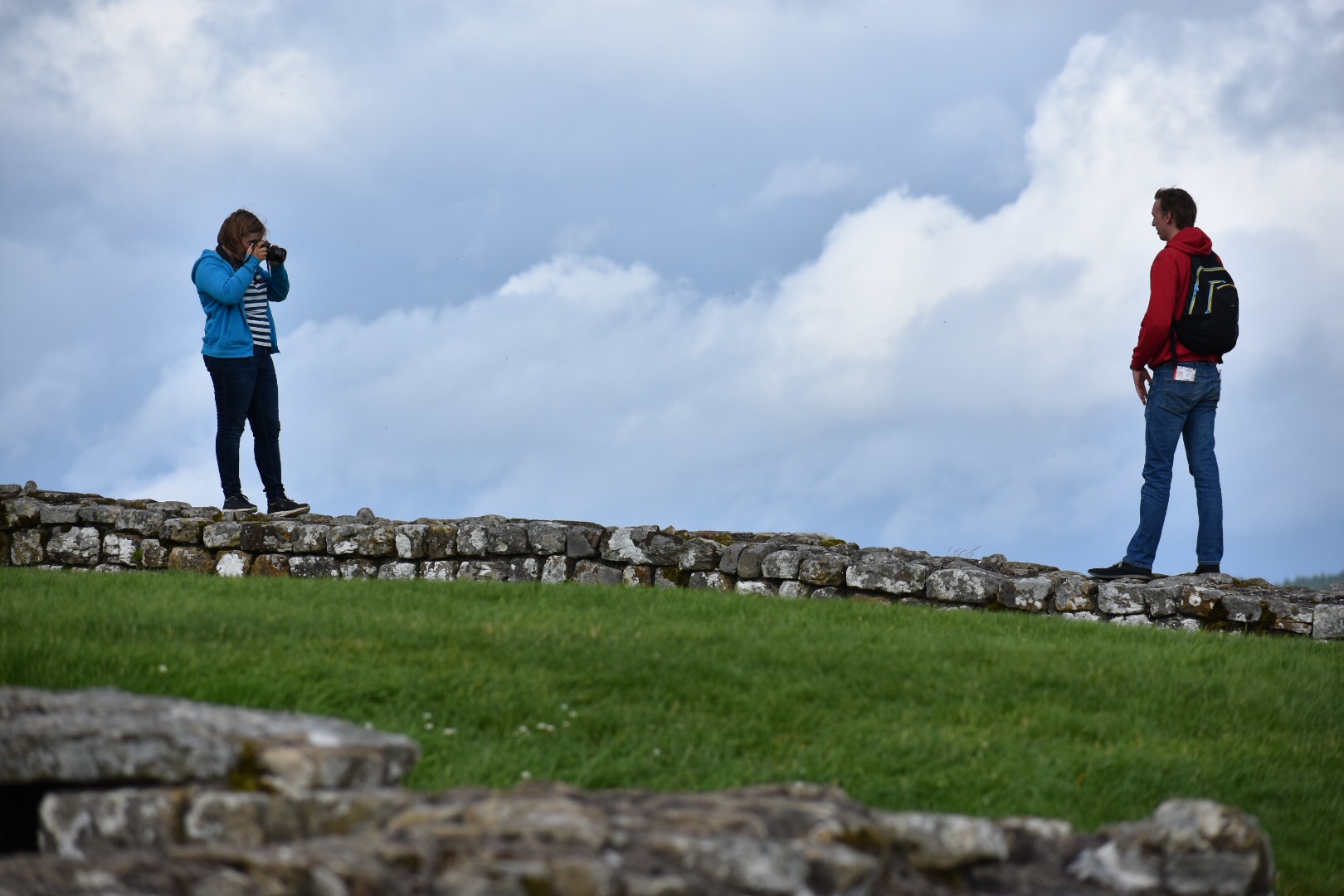
    At the National Trust site Vindolanda, we learned that the site was a complete fort where Roman families lived during the first century, 300 years before the construction of the wall. Today it is an excavation site in progress. The museum had an amazing array of artifacts ranging from shoes to games, tools, beads, padlocks, door handles, glass, coins, and tablets with Roman writing. 


    Outside as we walked around, we talked with a local about how over time people would knock buildings down and build over them so everything needs to be excavated in layers. 


    Walking around we found a mini museum designed specifically to teach children about Roman life from the point of view of a child in Roman times, and an art gallery. On the wall was a wonderful quote:

    The past lives on in art and memory, but it is not static. It shifts and changes as the present throws its shadow backwards. The landscape also changes, but far more slowly; it is a living link between what we were, and what we have become. ( Margaret Drabble)


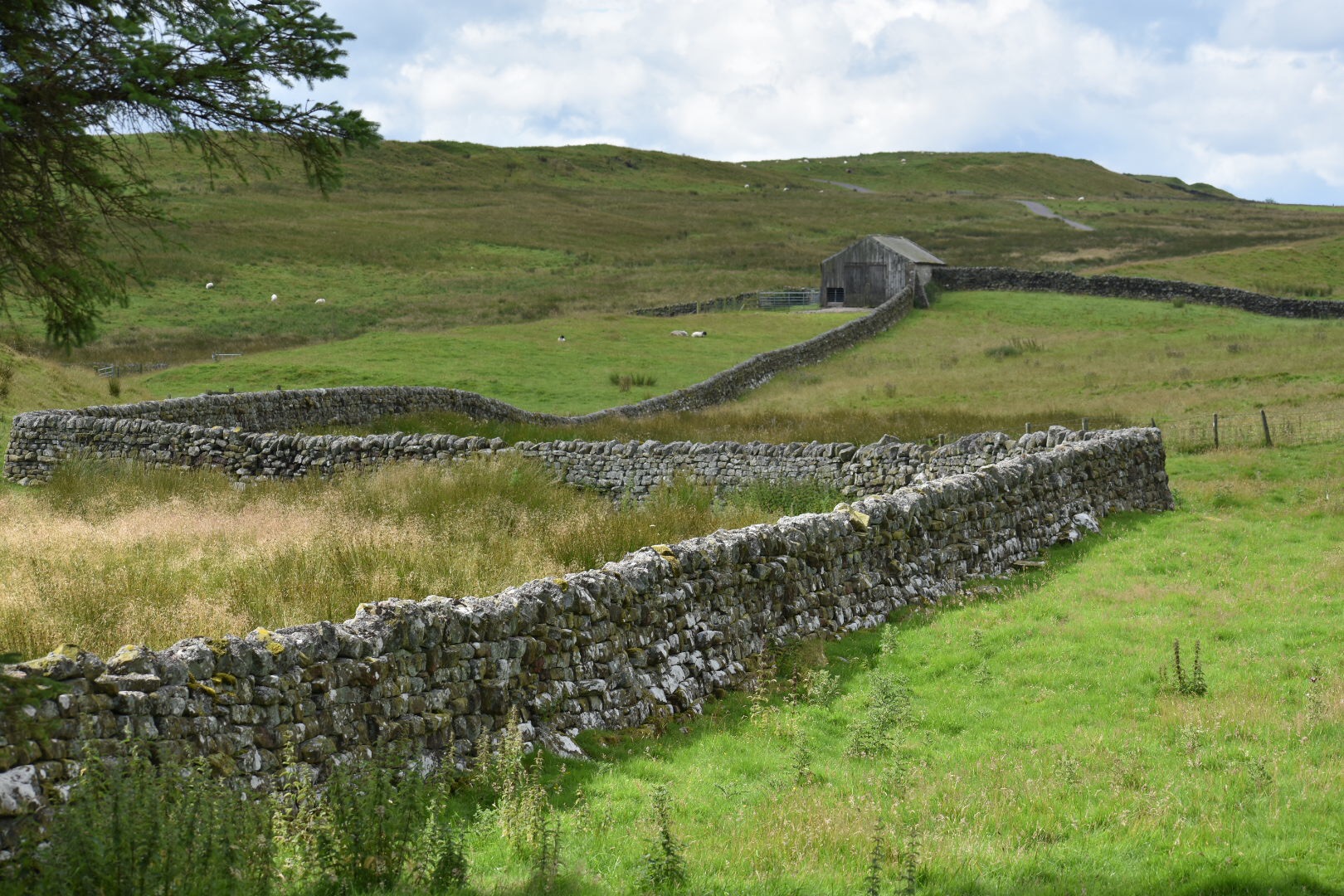
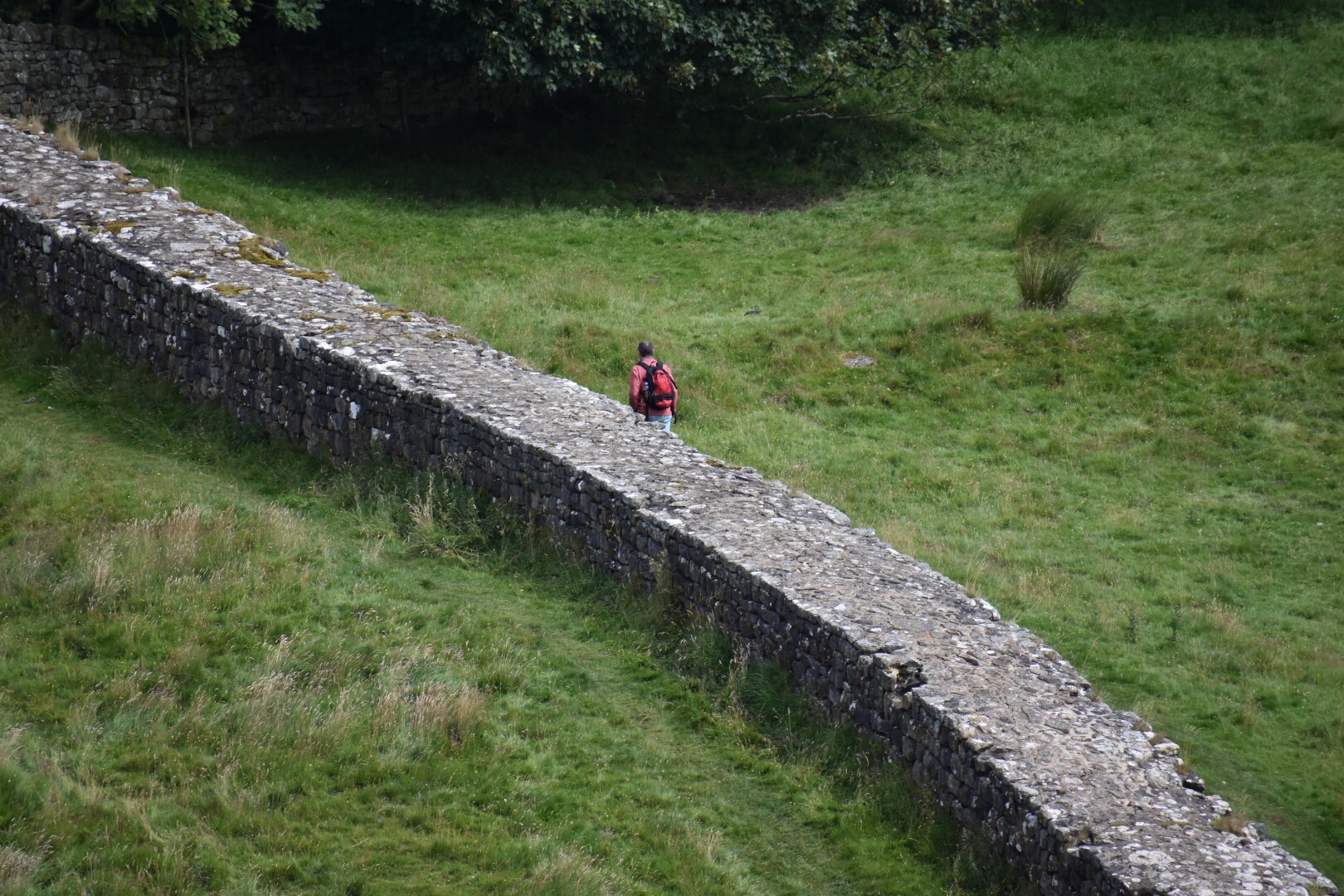
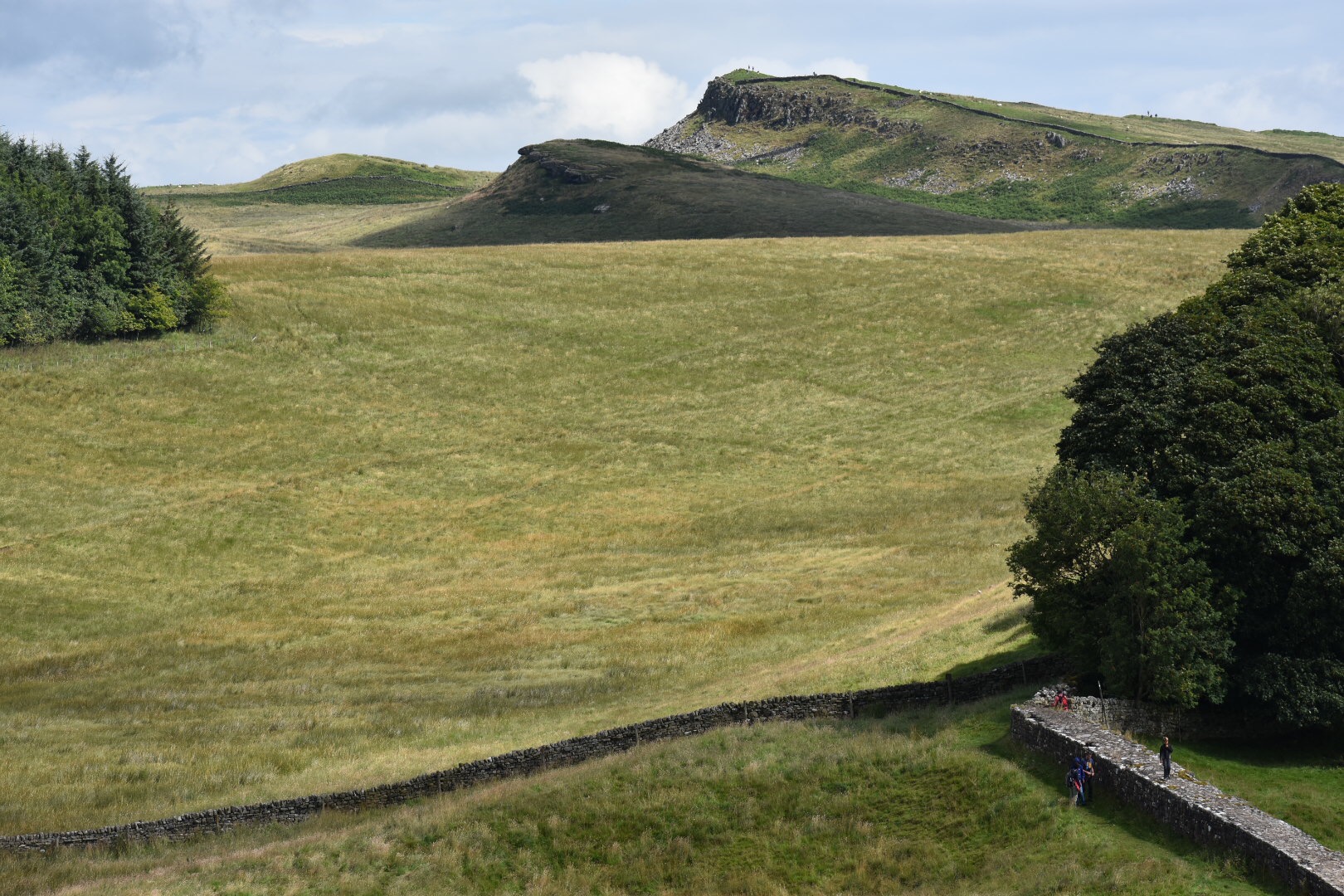
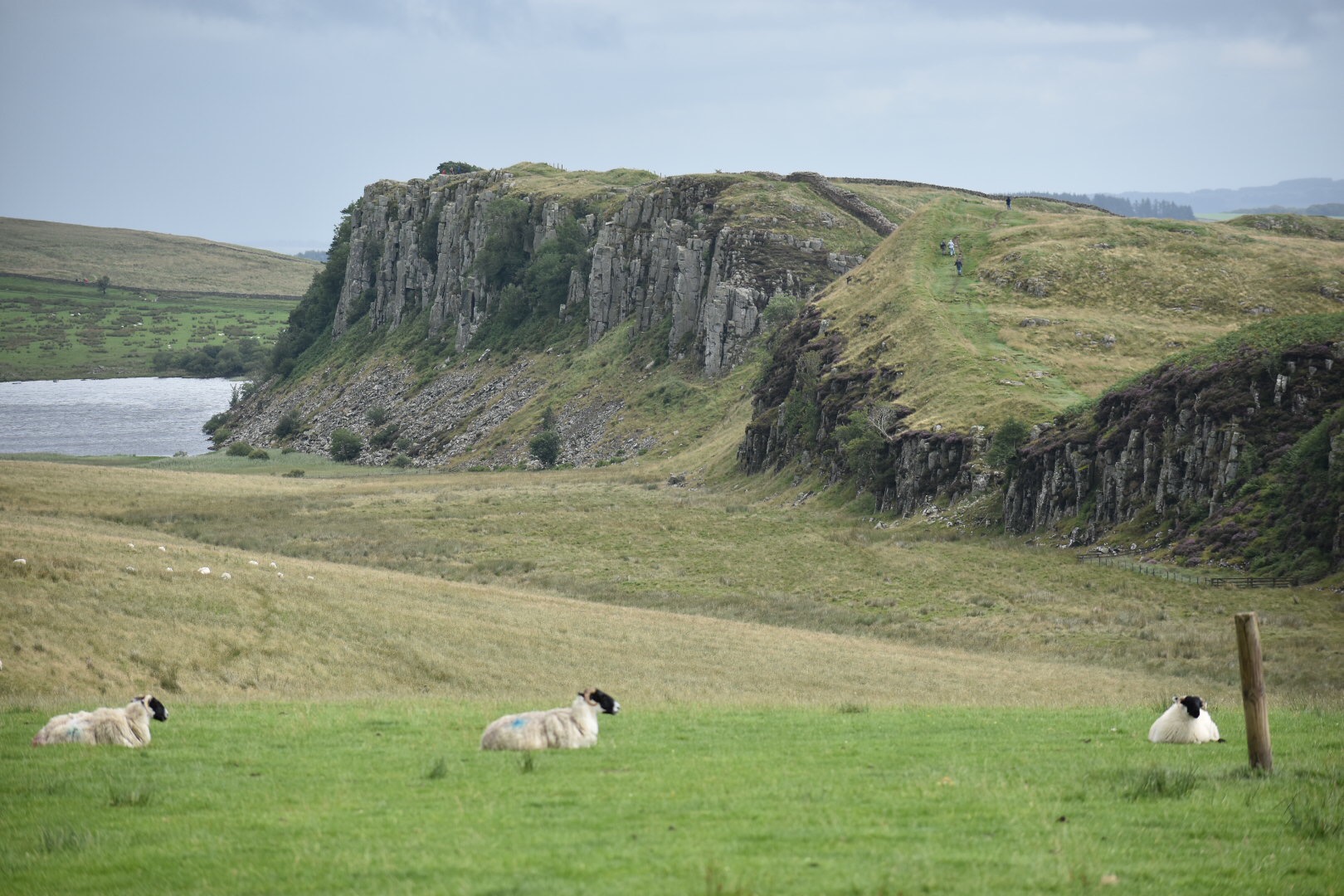
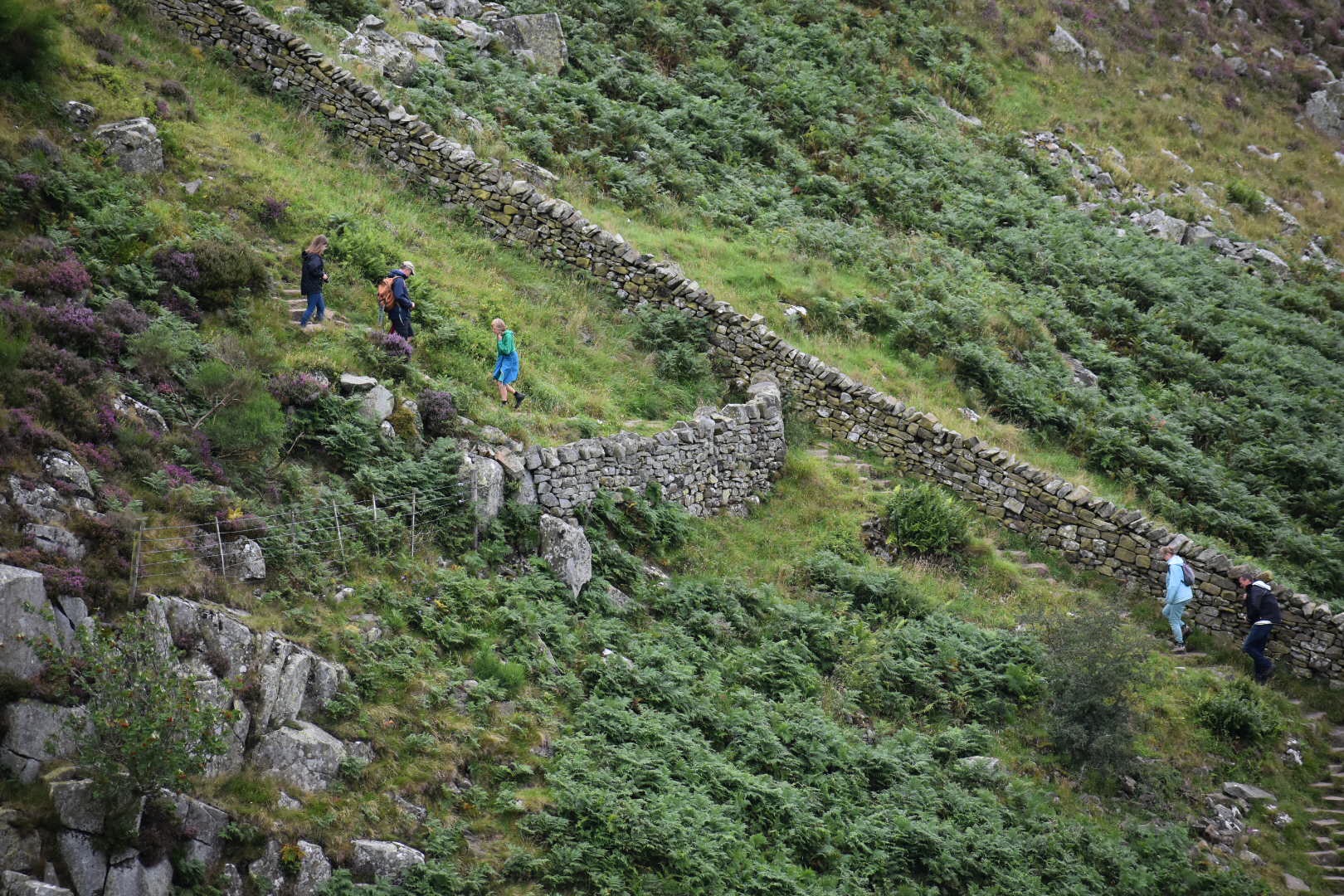
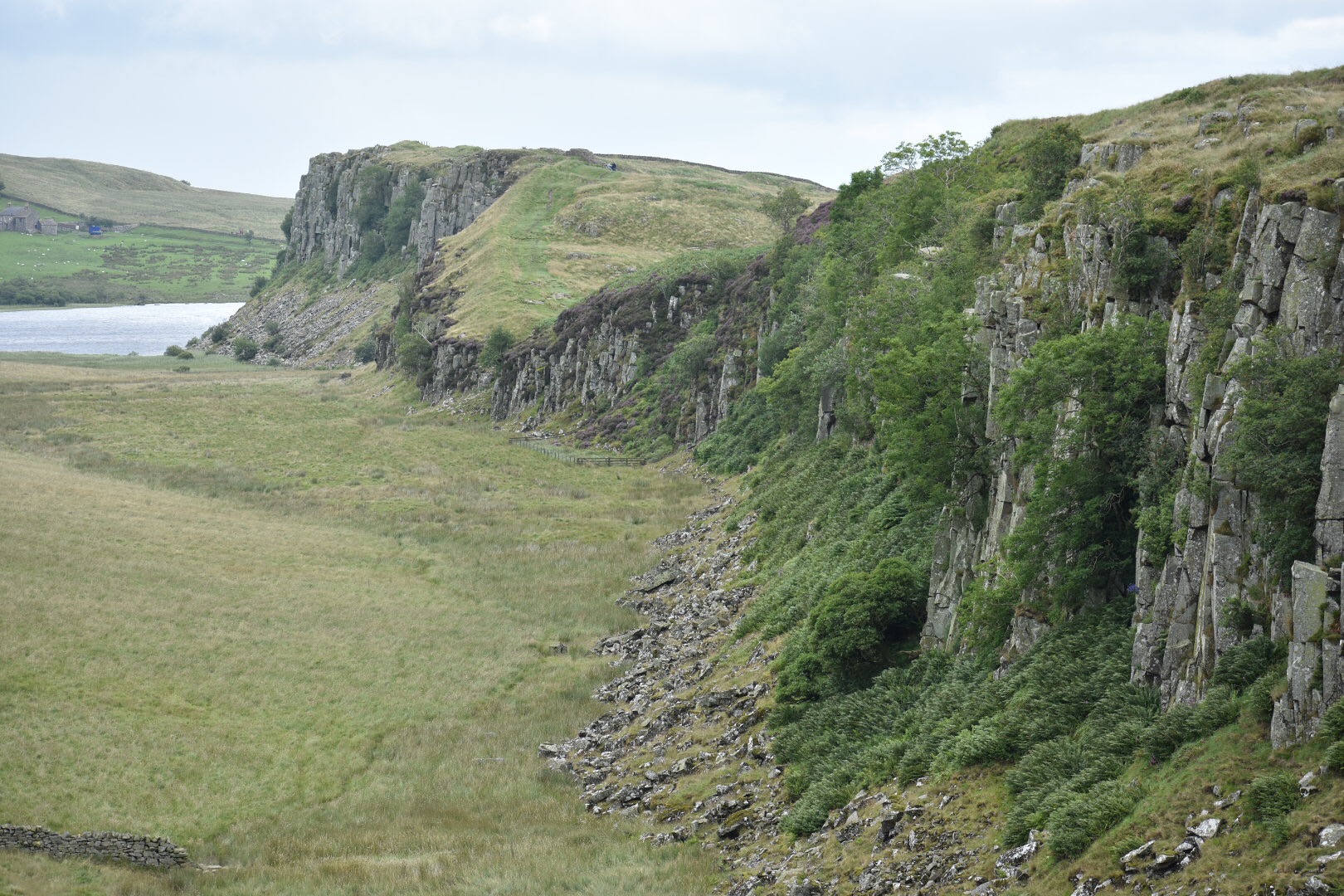
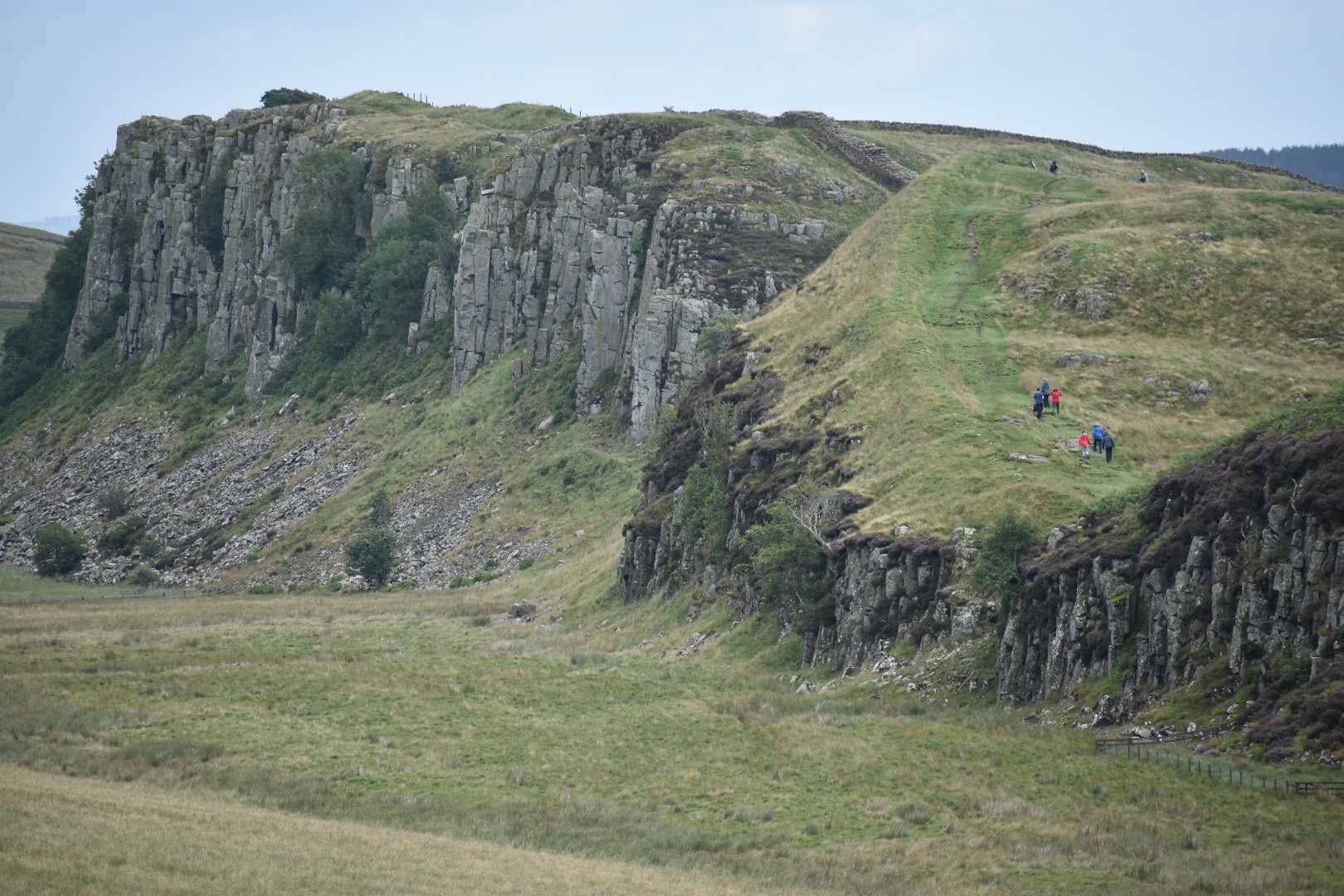
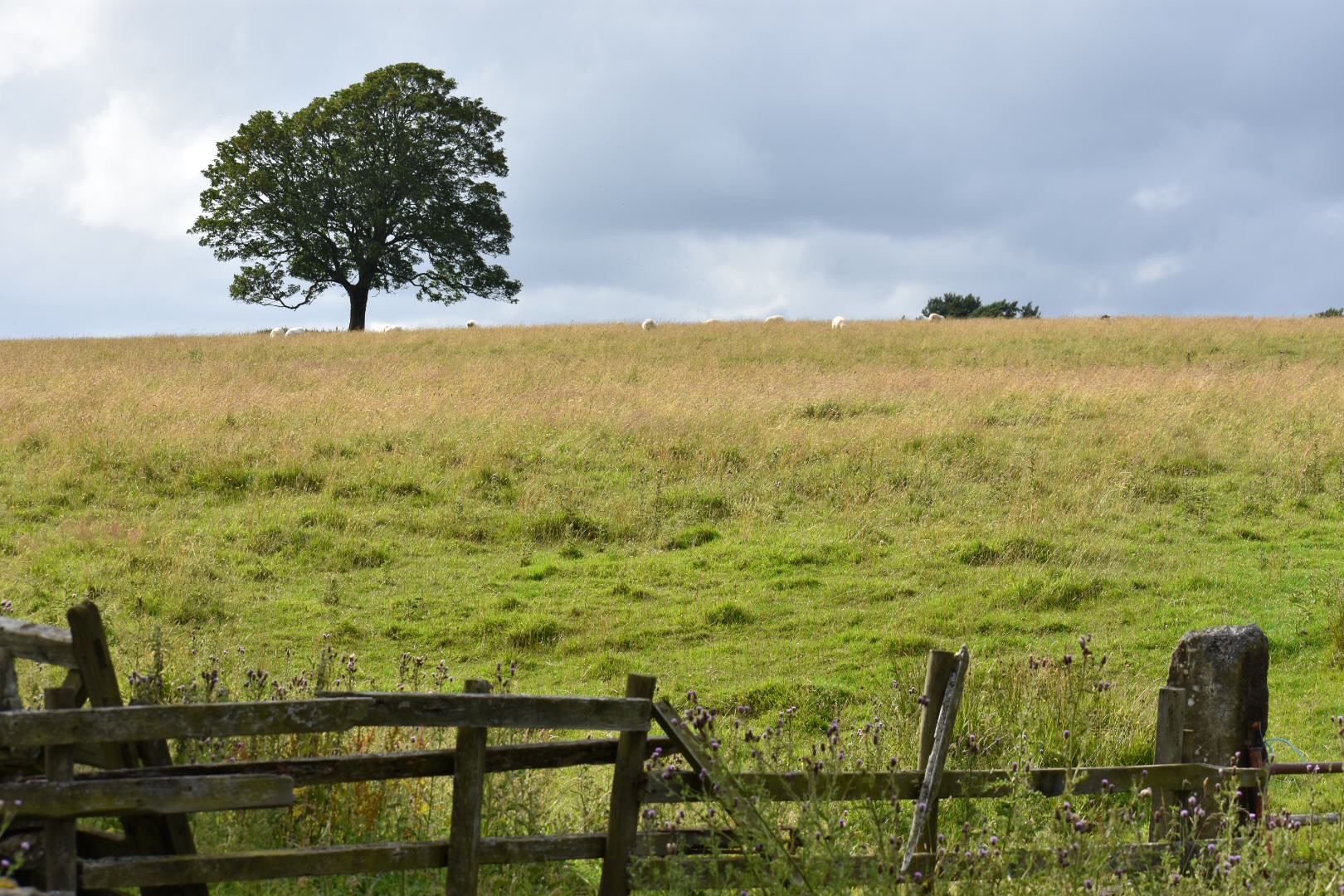
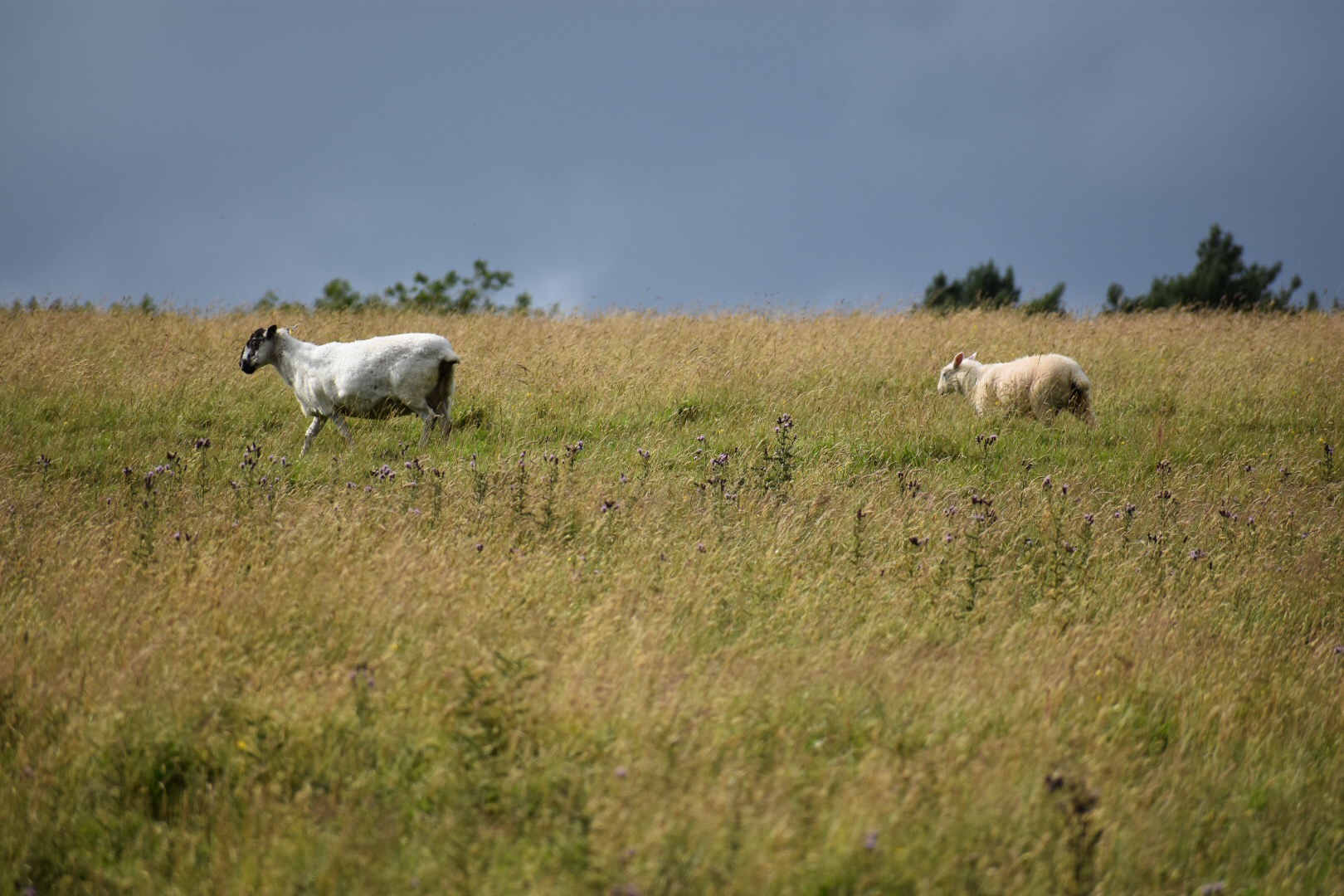
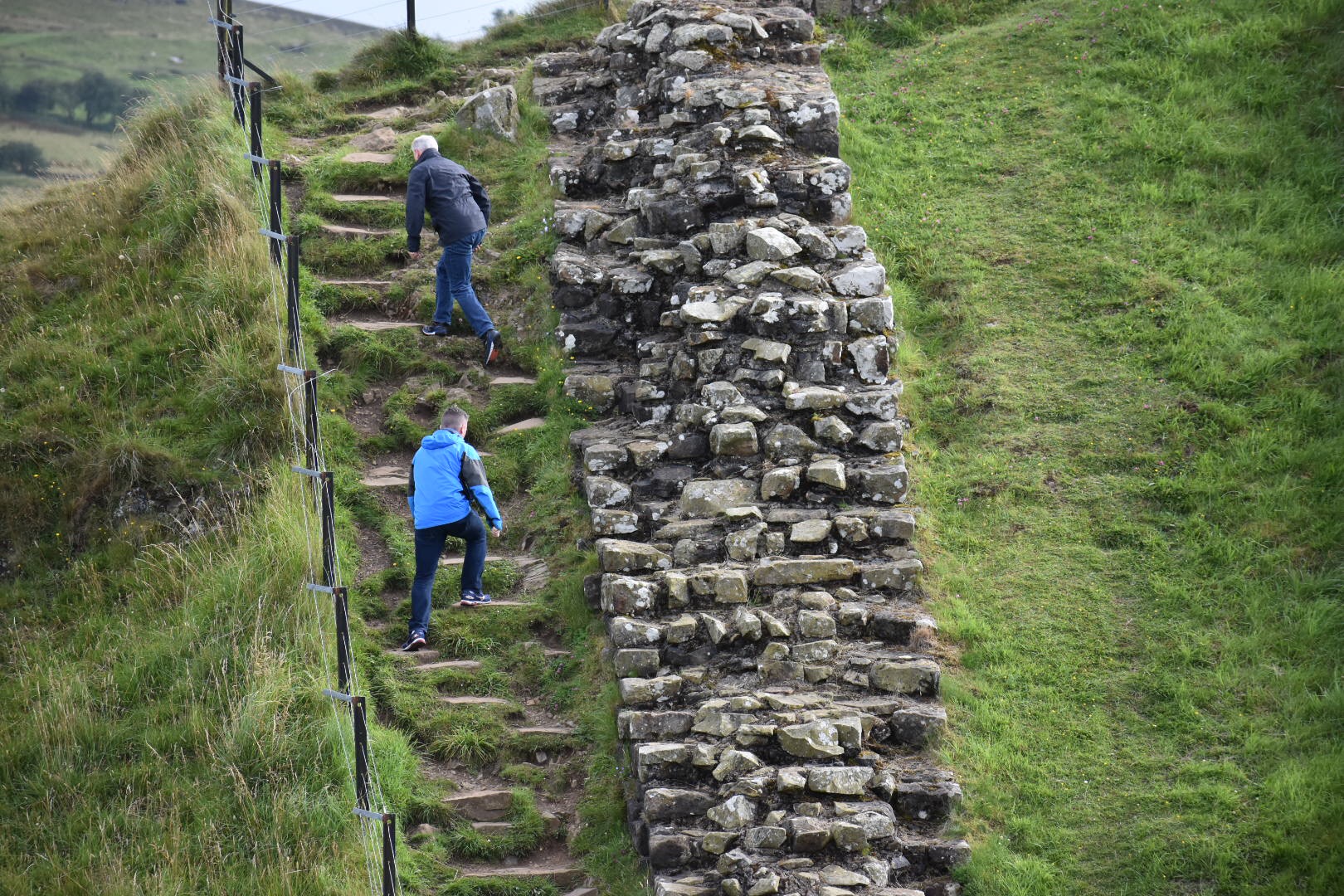
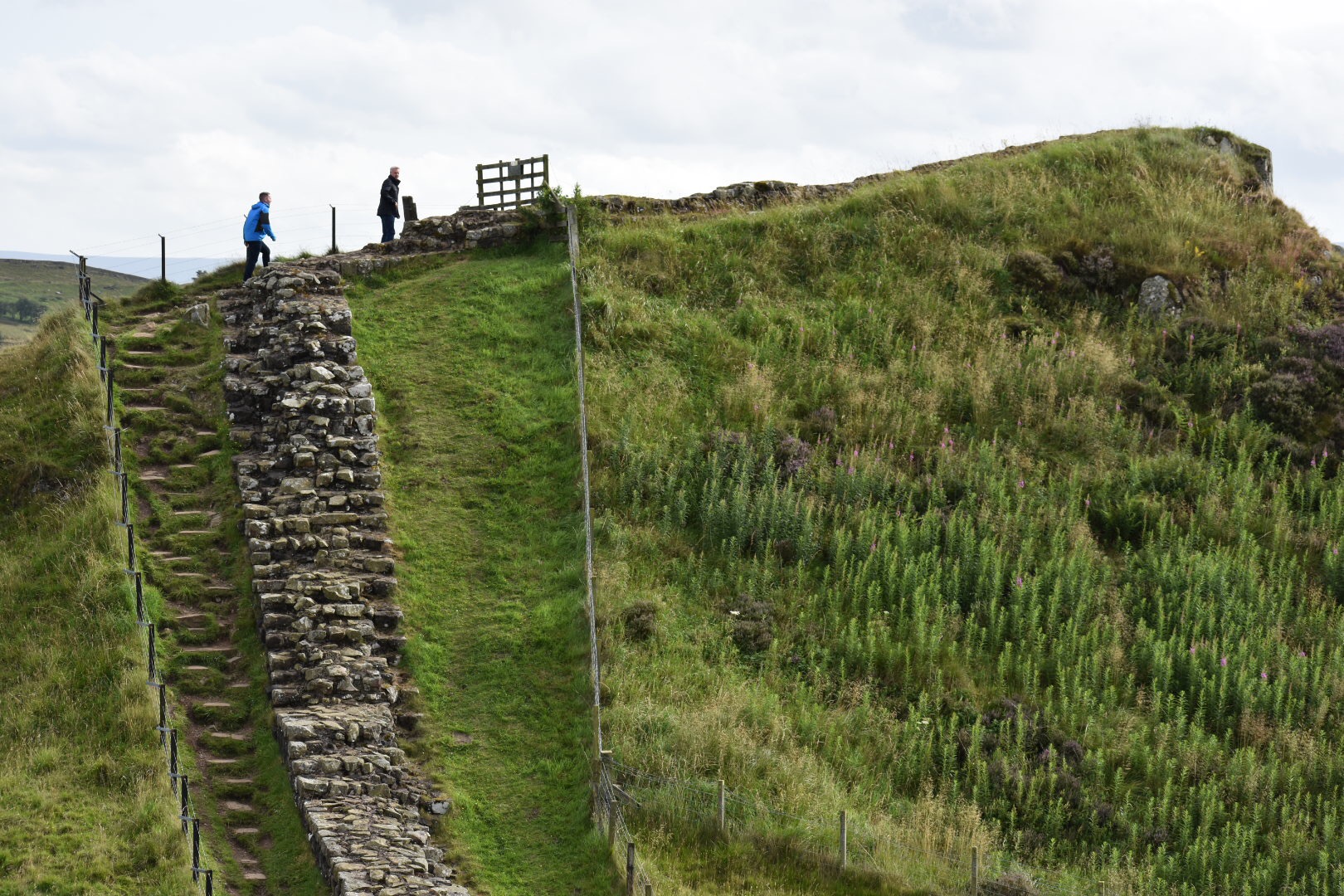
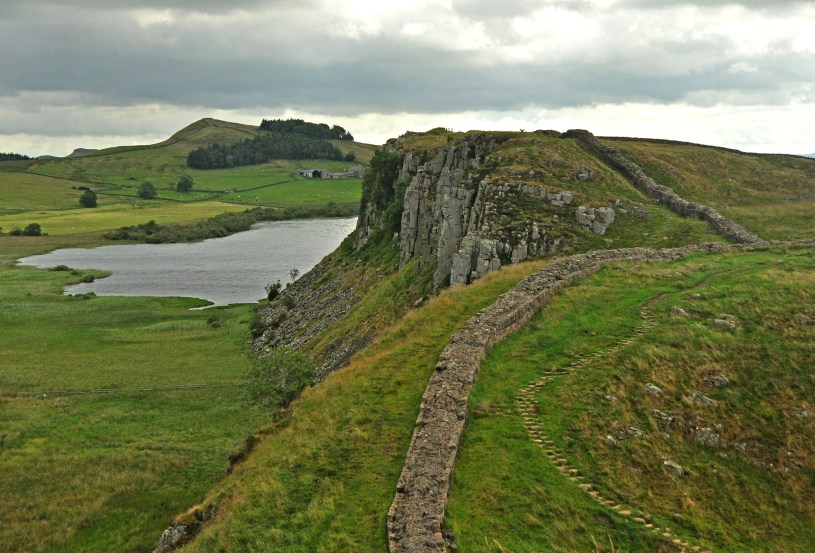
    Driving back to our hotel, we saw a tiny signpost that said Cawlfields Quarry: Hadrian’s Wall.  We followed the narrow road through fields to a car park beside a tiny lake. The sign there said it had once been a quarry and as a result destroyed most of the wall in that area, but a tiny part remains at the edge of a cliff.  Following a steep footpath we climbed to the top of the ridge where we could see the wall. It was so tranquil there with sheep grazing.  I could still hear them in the meadow as we drove away, the end of a perfect day.


    Welcome to Northumbria


    It’s a cool pleasant evening here in Wark in North Umbria, England. As I write my first blog entry, it’s hard to believe how far we have traveled in the last 24 hours. Our Aer Lingus flight out of Boston was quiet and completely uneventful. We landed in Dublin just as the sun was beginning to rise over the horizon. Our plan was to head to a Starbucks for a leisurely cappuccino, but that’s when the insanity began. 

    There were about 100 of us in line to have our passports stamped for our onward journey, but each passenger was interviewed about their travel intentions. Our passport agent was extremely friendly, but holding our passports we were asked where we traveled to last summer which was no easy task at 5:00 am (midnight US). I was also asked to prove we would eventually be flying back to Boston.

    Our Aer Lingus plane to Newcastle in the U.K. was a small modern plane with propellers. We taxied out and sped off down the runway, but something seemed to be missing: power. As the pilot slowed to a stop, I realized we had experienced an aborted take off. Youch! The pilot taxied back to the stand where they “sorted it all out” as he said and we were on our way.


    We are staying in the village of Wark at the Hotel Battlesteads. The chef here told us that Robert Burns once stayed here after giving a talk in Newcastle. 

    The restaurant here is excellent and we were treated to an espresso size cup full of delicious mushroom soup made from truffles. 


    Tonight we walked around the tiny village on the footpaths following the Tyne River. 

    We look forward to a day of exploring tomorrow.

    Anticipation Builds for Upcoming Holiday

    Our 2017 European holiday is not far away, with a departure date of July 26.  Needless to say, we are very excited about the upcoming trip as it will include a blend of European urban and rural locales, of places that are both familiar and completely new to us. We therefore encourage all readers of Explorer Bear’s blog to stay tuned to this site as our summer holiday unfolds.

    What follows is a day-to-day itinerary:

    Days 1-3: Fly from Boston to Dublin, Ireland via Aer Lingus, followed by a flight to Newcastle, England.  Drive to Hexham where we will stay for three nights.

    Days 4-6: Drive southeast to Whitby, Yorkshire.

    Days 7-9: Train to London.
    Days 10-13: Flight from London to Bordeaux, France.  Drive to Sarlat, located in the Dordogne River valley.
    Days 14-16: Drive to Lyon, France.

    Days 17-19: Flight to Milan, Italy, followed by a train ride to Bellagio on the shores of Lake Como.

    Days 20-22: Train ride to Milan, where we will conclude our trip.